
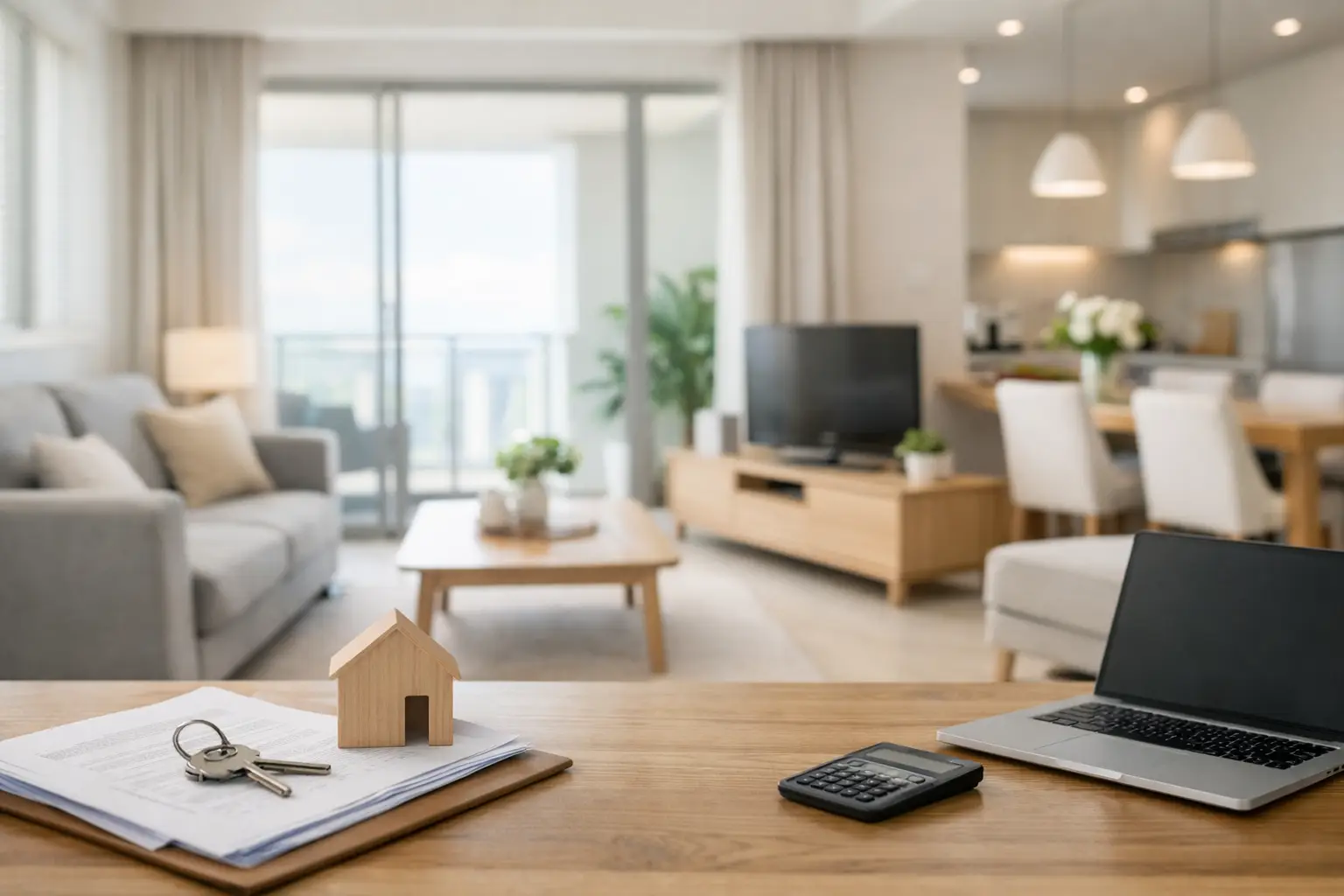
A vacant flat can feel smaller than it is. A crowded one can feel harder to imagine living in. In both cases, buyers often hesitate for the same reason – the property is not helping them picture a clear next step. That is why so many agents and owners ask the same question: is home staging worth it?
The short answer is yes, often it is. But not because staging is about decoration. The real value is commercial. It helps a listing photograph better, view better, and create a stronger first impression. When presentation improves, buyer response often improves with it.
Why the question matters more than people think
Most buyers start online. Before they notice the floor finish, storage layout, or orientation, they respond to how the home feels in the listing images. If the space looks empty, poorly proportioned, or difficult to understand, interest can drop before a viewing is ever booked.
That is where staging changes the conversation. It gives shape to empty rooms, softens awkward corners, and helps define how each area is meant to function. In practical terms, it reduces uncertainty. And in property, uncertainty is expensive.
For agents, this matters because listing performance affects everything that follows – enquiry volume, viewing quality, buyer confidence, and negotiation strength. For homeowners and landlords, it matters because every extra week on the market can carry a cost, whether that is a price reduction, holding cost, or missed rental income.
Is home staging worth it in every situation?
Not always. Staging is not a magic fix for unrealistic pricing, poor maintenance, or an unsuitable marketing strategy. If the property has visible defects, layout issues, or a price that is out of step with the market, staging alone will not solve the core problem.
But in many cases, it improves the way the property is received. That is especially true when a home is vacant, partially furnished, or furnished in a way that distracts from the space itself. Buyers do not just assess square footage. They assess atmosphere, liveability, and ease.
So the better question is not simply whether home staging is worth it. It is whether the property would benefit from clearer presentation at the exact moment buyers are forming their opinion.
Where staging tends to deliver the strongest return
Vacant units are usually the clearest case. Empty rooms can appear cold and smaller than expected, especially in photographs. Without reference points, buyers may struggle to judge whether a bedroom fits a proper bed setup or whether a living area can comfortably support everyday use.
Staging helps solve that by giving scale and purpose. A dining space looks like a dining space. A study corner feels intentional rather than leftover. The home begins to read as usable, not just available.
It can also make a difference in lived-in homes that feel too personal or visually busy. Heavy furniture, mismatched styles, and excess belongings can make even a good property feel harder to process. In these cases, a lighter, more neutral styling approach helps the buyer focus on the home rather than the owner.
Rental listings can benefit as well. Tenants are making faster decisions, but they are still influenced by visual clarity. A well-presented unit suggests readiness, care, and a smoother move-in experience. That can support quicker commitments, especially for landlords marketing vacant properties.
What buyers are really responding to
People often describe staged homes as looking more expensive, but that is only part of it. What they are usually responding to is confidence. The home feels complete. The layout makes sense. The proportions look balanced. The viewing experience feels easier.
That ease matters because buyers rarely make decisions on logic alone. Even experienced investors respond to friction. If a home feels awkward, unclear, or emotionally flat, they start looking for reasons to discount it. If it feels composed and ready, they are more likely to stay engaged.
This does not mean every property needs a dramatic transformation. In fact, the most effective staging is often understated. Clean lines, sensible furniture scale, soft textures, and neutral styling can be enough to make the space feel coherent and inviting.
The cost question behind is home staging worth it
Cost is usually the reason people hesitate. That is understandable. Staging is an upfront expense, and not every seller or landlord wants to add another line item before the property has performed.
But the decision should be weighed against the cost of weak presentation. A flat that sits longer may require repeated viewings, more negotiation, or a reduced asking price. A vacant listing that receives fewer enquiries can end up costing more through delay than a staging setup would have cost in the first place.
This is why staging works best when viewed as a marketing tool rather than a styling extra. The aim is not to impress for its own sake. The aim is to support a faster, stronger response from the market.
In Singapore, where many buyers and tenants compare listings quickly and visually, that distinction matters. If similar homes are competing in the same development or area, presentation can influence which unit gets shortlisted first.
When staging may not be necessary
There are cases where staging is less essential. A well-kept, owner-occupied home with good natural light, balanced furniture, and professional photography may already present strongly. Some homes do not need much more than decluttering, minor styling adjustments, and a clear layout.
Likewise, if a unit is being marketed primarily on redevelopment potential, land value, or a very specific buyer profile, full staging may not be the deciding factor. The property type and sales strategy should always shape the level of effort.
The point is not to stage everything by default. It is to assess where presentation is likely to affect buyer behaviour in a measurable way.
What effective home staging actually looks like
Good staging is not about filling every room. It is about making the home easier to understand. That means choosing furniture that suits the scale of the property, defining how rooms function, and creating a clean visual rhythm throughout the space.
It also means restraint. Over-styling can be just as unhelpful as under-preparing. If the room feels contrived or cluttered, buyers notice. The goal is to create a setting that feels believable, neutral, and market-ready.
For agents, this is where a practical staging partner makes a difference. Speed of setup, furniture availability, and a clear sense of what supports the listing all matter. Operational ease is part of the value, especially when timelines are tight and the property needs to go live quickly.
This is also why furniture rental is often central to staging success. It allows the property to be presented properly without requiring permanent purchase, storage planning, or extra coordination. For many sellers and landlords, that flexibility is what makes staging commercially sensible.
So, is home staging worth it?
If the property is vacant, visually unclear, or competing in a crowded market, the answer is very often yes. Staging helps buyers and tenants understand the space faster. It improves photography, strengthens viewings, and can support better-quality interest.
If the property is already well presented and aligned with buyer expectations, the answer may be more selective. Sometimes a lighter touch is enough. Sometimes staging one or two key areas delivers most of the benefit without a full setup.
What matters is not whether staging is fashionable. What matters is whether it helps the property perform better.
For sellers, landlords, and agents, that is usually the right lens. A home does not need to look extravagant. It needs to feel clear, liveable, and ready. When presentation removes hesitation, decisions tend to come faster.
Expats Partner works with that principle in mind – practical staging that supports listing performance without adding unnecessary complexity.
If you are weighing whether to stage, it helps to ask a simple question: what is the property currently failing to show on its own? The answer usually tells you whether staging is an extra cost or a useful advantage.
Contact us now at: Kevin Chang – 80119753 sales@expatspartner.com.sg Sales Specialist