
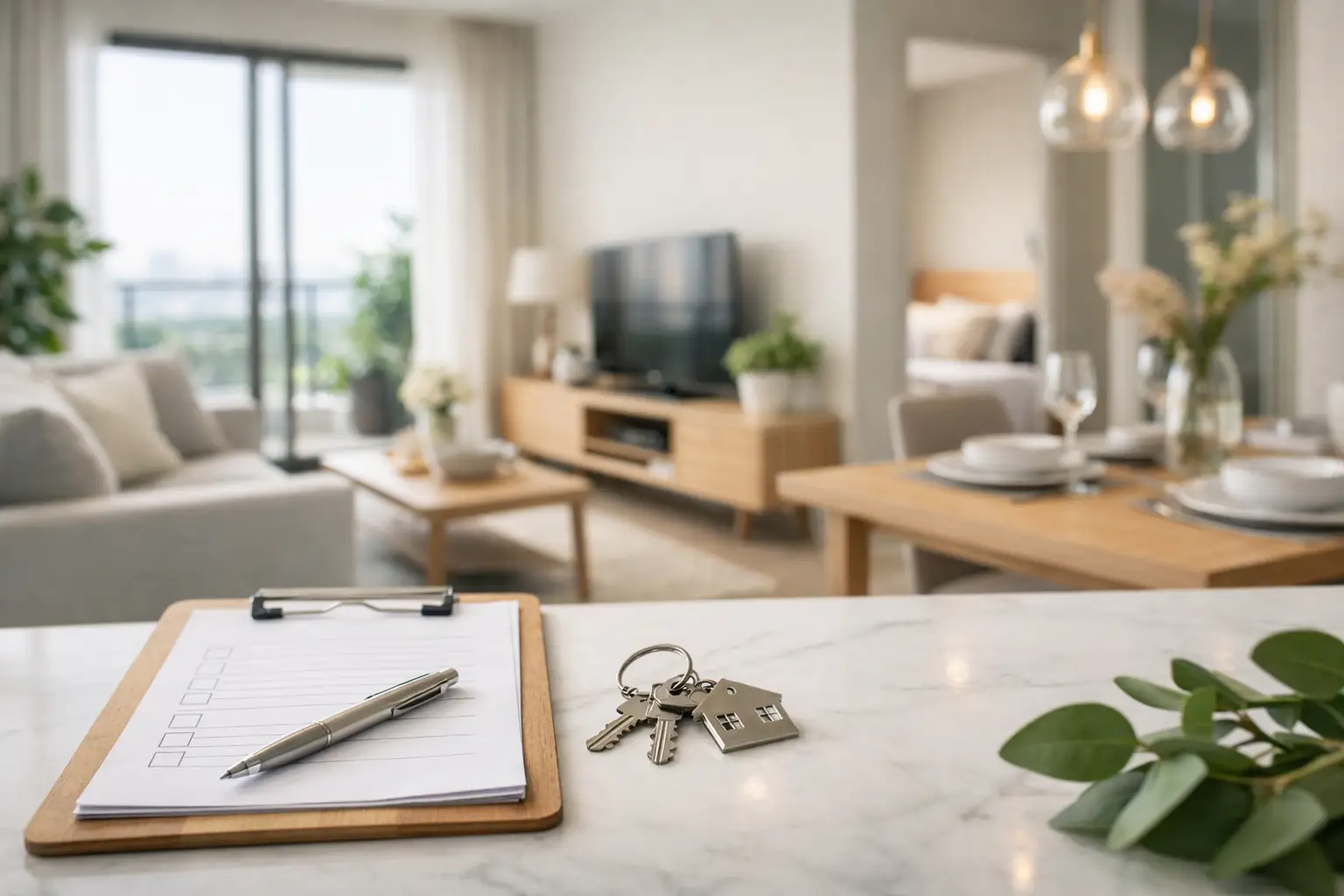
An open house can turn flat online interest into real momentum, but only if the property feels ready the moment someone steps in. A strong staging checklist for open house preparation helps you manage that moment with more control. It keeps the space clear, calm and convincing, so buyers or tenants spend less time noticing gaps and more time imagining themselves living there.
For agents and owners, that difference matters. Most viewers decide how they feel about a property within minutes. If a room looks smaller than it should, feels too empty, or appears difficult to use, interest can drop quickly. Good staging does not mean making a home look fancy for the sake of it. It means removing friction, guiding attention and helping each area make sense.
Why a staging checklist for open house works
Open house preparation often gets squeezed into the final day or two. That is usually when avoidable issues show up – harsh lighting, bulky furniture, personal items left out, or rooms that feel unfinished in person despite looking acceptable in photos. A checklist brings structure to the process.
More importantly, it keeps the focus on viewing performance. The goal is not simply cleanliness. The goal is to present a property in a way that supports buyer confidence. When the home feels well considered, viewers tend to stay longer, ask better questions and form a stronger sense of value.
This is especially relevant for vacant units. Empty spaces can feel cold, smaller than expected, or difficult to read. On the other hand, over-furnished homes can look cramped. The right balance depends on the property type, target audience and price point. A family-sized condo, for example, needs a different approach from a one-bedroom investment unit aimed at tenants.
Start with the rooms that shape decisions
Before adjusting accessories or adding finishing touches, focus on the spaces that do the most work during an open house. Usually that means the living area, dining area, principal bedroom and kitchen. If those rooms feel clear and functional, the rest of the home tends to follow.
Ask a practical question in each room: what is this space saying to a viewer? A living room should suggest comfort and proportion. A dining space should show that entertaining or everyday meals are easy. A bedroom should feel restful, not crowded. If the purpose of a room is unclear, viewers begin to hesitate.
That is why layout matters more than decoration. Furniture should define use without blocking movement. It should also help with scale. A rug that is too small or a sofa that is too deep can subtly distort how the room is perceived. In compact Singapore homes especially, careful placement often matters more than the number of pieces used.
The practical open house staging checklist
A useful open house checklist starts well before the viewing day. Begin with decluttering. Remove personal photographs, visible toiletries, extra shoes, loose cables and anything that makes storage look insufficient. The aim is not to erase all character, but to reduce distraction.
Next, review furniture room by room. Keep only what supports the function of the space. If a study corner has become a storage zone, reset it. If an extra chair makes a bedroom feel tight, take it out. Every item should help the room read more clearly.
Cleaning comes after editing, not before. Deep clean floors, glass, mirrors, kitchen surfaces, bathrooms and skirting. Pay attention to details buyers notice at close range during viewings, such as grout lines, tap shine and dust on ledges. A home can be stylishly staged, but if it does not feel properly maintained, that effort weakens quickly.
Lighting deserves its own check. Replace failed bulbs, open curtains and switch on lamps where needed. A dim room tends to feel smaller and less inviting. If natural light is limited, warm and even lighting can help soften that weakness. It will not change the layout, but it can improve the mood significantly.
Soft furnishings and styling should be restrained. Cushions, bed linen, artwork and table styling can add warmth, but too much styling starts to feel staged in the wrong way. Neutral colours usually work best because they widen appeal and keep the property feeling calm. This is one area where less is often more.
Scent and sound also shape first impressions. Avoid strong fragrances, which can feel artificial or raise suspicion about hidden issues. Fresh air is usually the better option. If there is any background sound from traffic or renovation nearby, soft music may help, but only if it does not compete with conversation.
Finally, check practical details just before the open house begins. Toilet lids should be closed. Towels should be fresh and neatly folded. Bins should be emptied. Air-conditioning should be switched on early enough for the space to feel comfortable. These small points seem minor until they are missed.
Common staging mistakes that weaken a viewing
One of the most common mistakes is trying to show too much. Owners sometimes leave every room fully furnished to prove liveability, but this can make circulation awkward. Buyers need space to move, pause and look around. If they are navigating around excess furniture, the home starts to feel smaller than it is.
Another issue is styling without strategy. Decorative pieces cannot solve a poor room layout. A vacant dining area, for instance, may not need elaborate accessories. It may simply need a properly sized dining set to demonstrate proportion. In the same way, a bare bedroom often needs a bed and side tables more than artwork.
There is also a trade-off between personal taste and broad appeal. Bold colours or unusual furniture can be memorable, but not always in a helpful way. For open houses, neutral and balanced presentation tends to support stronger engagement because it gives viewers fewer reasons to mentally subtract value.
What changes when the property is vacant
Vacant homes present a specific challenge. They photograph differently, feel cooler on entry, and often make it harder for viewers to judge scale. In these cases, staging becomes less about enhancement and more about interpretation. It helps people understand what fits where and how the home can function day to day.
That does not mean every room needs to be fully furnished. Selective staging often works well. Focus on the key rooms that shape perception, then keep secondary spaces tidy and lightly defined. This can be more efficient than furnishing an entire unit while still improving the viewing experience.
For agents managing multiple listings, furniture rental can make this far more practical. It allows a unit to be presented well without requiring permanent furniture purchase, storage planning or long lead times. When speed matters, that flexibility is often the difference between listing a space as merely available and listing it as ready to engage serious interest.
Adapting the checklist to the audience
Not every open house needs the same setup. A landlord preparing a rental flat for expat families may want the home to feel immediately liveable and easy to maintain. A developer showing a compact unit may need stronger visual cues around layout efficiency. A resale seller may benefit more from editing existing furniture than bringing in many new pieces.
This is where experience helps. The best staging decisions are not always the most dramatic ones. They are the ones that support the likely buyer or tenant journey. If the audience values convenience, the property should feel effortless. If they care about entertaining, the social spaces should read clearly. If they are comparing many similar listings, the presentation needs to feel calm, polished and easy to remember.
Final checks on the day itself
On open house day, walk through the property as if you were seeing it for the first time. Stand at the entrance and notice what draws the eye first. Move through each room and check sightlines, smell, temperature and clutter. Look at reflective surfaces. Check that curtains sit neatly, cushions are straight and kitchen counters remain clear.
Then stop adjusting. Over-handling a space can introduce fussiness. Once the home feels composed and comfortable, let it do its job. Buyers respond best when a property feels believable, not overworked.
A well-used staging checklist for open house preparation is not about adding more tasks. It is about making better decisions before viewers arrive. When the property feels clear, functional and ready, people can picture their next step more easily. That is often what moves an enquiry into a serious conversation.
For property professionals and owners who need a faster, more reliable setup, Expats Partner supports staging and furniture rental with a practical, presentation-led approach designed around real viewing outcomes.
Contact us now at: Kevin Chang – 80119753 sales@expatspartner.com.sg Sales Specialist