
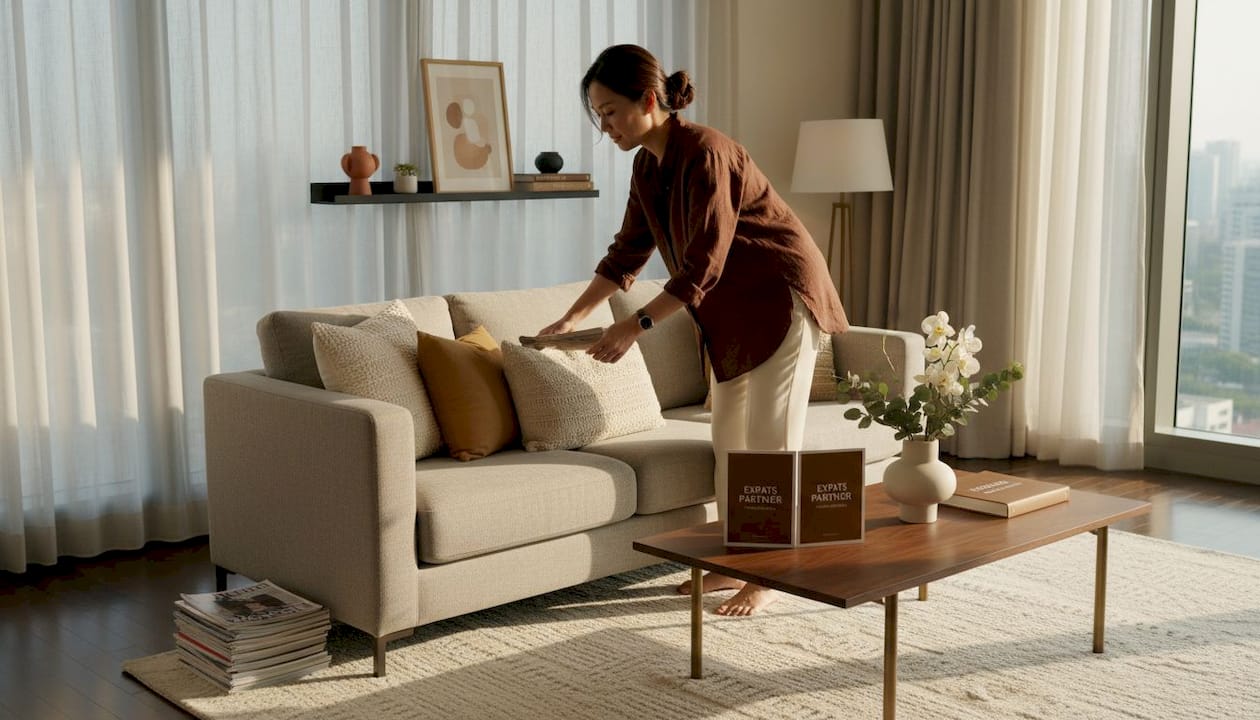
Most landlords and property owners in Singapore focus on renovations, fresh paint, or adding storage when trying to improve their property’s appeal. What many overlook is that the right furniture and staging strategy can have a far greater impact on perceived value and final sale or rental price. According to RESA data, staging can return as much as $3 for every $1 spent, and in some cases the return on investment reaches extraordinary heights. This guide breaks down exactly how furniture and staging decisions translate into measurable value, with practical strategies tailored for Singapore’s competitive property market.
Table of Contents
- How furniture directly boosts property value
- Best furniture strategies for Singapore property
- Impact of furniture and staging on rental income
- Common mistakes and real-world pitfalls to avoid
- Our take: what most property guides miss about furniture and value
- Level up your property value with expert staging and furniture solutions
- Frequently asked questions
Key Takeaways
| Point | Details |
|---|---|
| Furniture staging drives ROI | Proper staging and furniture choices can triple your investment or more when selling or letting property. |
| Rental boosts are substantial | Furnishing a rental can increase your income by up to 41 percent in competitive city contexts. |
| Renting furniture offers flexibility | Furniture rental is often more cost-effective and versatile than buying for most Singapore property situations. |
| Strategic focus wins buyers | Prioritise living, kitchen, and bedroom to maximise impact and appeal when staging or letting. |
| Avoid common staging pitfalls | Invest in timeless, quality pieces and avoid cheap, mismatched, or overabundant furniture to protect value. |
How furniture directly boosts property value
When a potential buyer or tenant walks into an unfurnished property, they often struggle to picture how the space will feel when lived in. Empty rooms look smaller than they are, and bare walls create an impression of coldness that is difficult to shake. The right furniture arrangement changes this immediately. It defines zones, creates warmth, and helps visitors emotionally connect with a property within the first few seconds.
The evidence supporting this is substantial. Strategic staging consistently shows that staged homes sell faster and at higher prices than non-staged equivalents. In some markets, the return on staging investment has been recorded at an astonishing 2,334% in RESA data. Even at a conservative estimate of $3 for every $1 spent, the financial case for furniture and staging is difficult to ignore.
“Staging isn’t about decorating for personal taste. It’s about creating an aspirational lifestyle that buyers or tenants feel they can step into immediately.” — Property staging professional
In Singapore’s property market, competition at the mid to upper segments is intense. A well-presented unit commands attention at listing stage, holds its own against similarly priced properties, and often reduces the room for price negotiation during offers. Buyers who feel emotionally connected to a space are less likely to push aggressively for discounts.
The key benefits of strategic furniture and staging include:
- Faster sale or let: Staged properties spend significantly fewer days on the market.
- Higher perceived value: Furniture sets the benchmark for what buyers expect to pay.
- Fewer price reductions: A staged property gives buyers less reason to negotiate down.
- Stronger first impressions online: Listing photos of furnished properties attract more enquiries.
- Clearer space definition: Furniture shows buyers how each room can be used practically.
For practical guidance on preparing your property effectively, these home staging tips offer a useful starting point. And if you are considering how to prepare quickly for sale, furniture staging is consistently one of the most impactful first steps.
With this foundation, it is important to know exactly what strategies work for property owners in Singapore.
Best furniture strategies for Singapore property
Not all furniture decisions are equal. Some choices build broad appeal; others narrow your pool of interested buyers or tenants considerably. The most effective strategies focus on maximising emotional resonance for the widest possible audience, rather than reflecting personal style preferences.
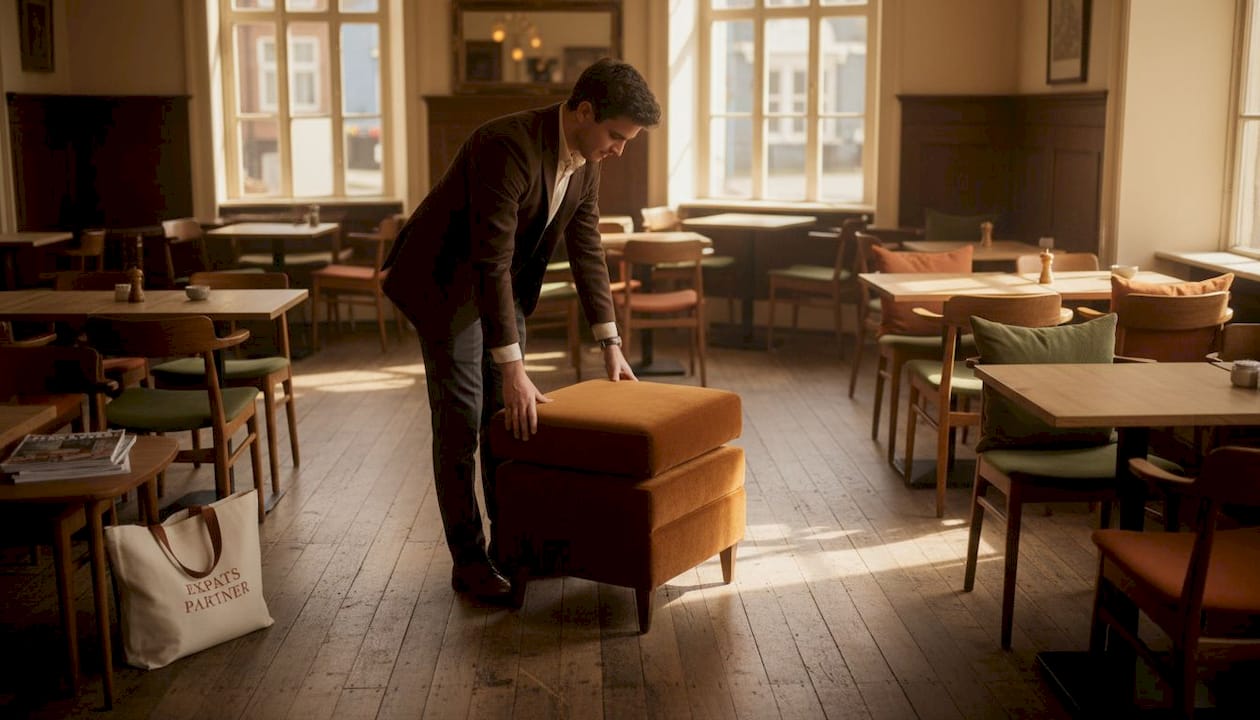
The strategic furniture placement principles that work best emphasise neutral, timeless pieces that feel aspirational without being polarising. Think clean lines, muted tones, and quality materials that photograph well and feel welcoming in person.
The rooms that matter most
Not every room carries equal weight. Prioritising your budget and effort in the right spaces is essential:
- Living room: This is where first impressions solidify. Comfortable seating, a well-placed coffee table, and soft lighting create the emotional connection buyers are looking for.
- Master bedroom: After the living room, this is the next most influential space. Clean, hotel-style presentation with quality bedlinen and bedside lighting elevates perceived value immediately.
- Kitchen: Even in a small kitchen, smart accessorising with a few carefully chosen items, fresh plants, and clear surfaces signals that this is a well-maintained home.
- Dining area: A well-set table gives buyers a strong lifestyle image and helps them picture entertaining or family meals in the space.
Understanding how floorplans for resale value interact with furniture placement can also improve how you showcase each area.
Furniture rental versus ownership: a practical comparison
For most Singapore landlords, renting furniture for staging purposes is more practical than purchasing outright. Here is how the two options compare:
| Factor | Furniture rental | Furniture ownership |
|---|---|---|
| Upfront cost | Low to moderate | High |
| Flexibility | High (swap or return easily) | Low |
| Maintenance | Handled by provider | Owner’s responsibility |
| Depreciation risk | None | 40–70% within a few years |
| Best suited for | Short-term staging, between tenants | Long-term permanent residency |
| Logistics | Provider delivers and collects | Owner arranges all logistics |
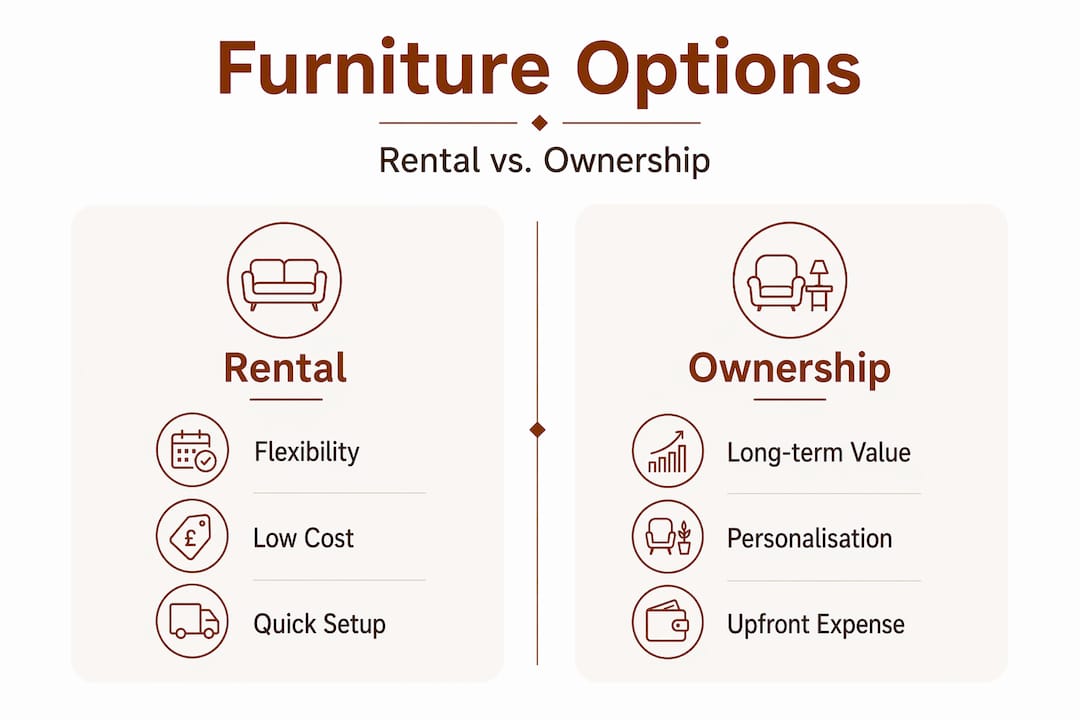
For property owners who cycle tenants or plan to sell within a few years, short term furniture rental is typically the smarter financial choice. If you are new to the concept, it helps to understand how furniture rental works before committing to a provider.
A step-by-step staging execution plan
- Identify your target tenant or buyer profile before selecting furniture styles.
- Prioritise the living room, master bedroom, and kitchen for your furniture budget.
- Choose neutral palettes: whites, warm greys, soft beiges, and natural wood tones.
- Remove clutter and personal items before furniture arrives.
- Arrange furniture to define zones clearly and create an easy flow through the property.
- Add finishing touches: plants, art, cushions, and appropriate lighting.
- Commission professional photography once the space is fully set.
Pro Tip: Professional photography after staging is not optional if you are serious about maximising your listing’s appeal. High-quality images are the first point of contact for most buyers and tenants, and a staged room photographs dramatically better than an empty one.
These strategies matter, but what about the actual cost and practicalities for landlords in Singapore? Does furniture staging pay off for rentals as well as sales?
Impact of furniture and staging on rental income
For landlords, the value of furniture and staging extends well beyond sales. A furnished, well-presented property can command significantly higher monthly rent, and the return on the initial investment can be remarkably quick.
Research on rental income increases shows that furnishing a rental property can boost achievable rent by as much as 41%. While that data comes from London’s rental market, the principle translates directly to Singapore’s expat-heavy rental environment, where tenants consistently prioritise furnished, move-in-ready homes.
Here is how the numbers can look in practical terms:
| Property type | Unfurnished monthly rent | Furnished monthly rent | Uplift |
|---|---|---|---|
| 1-bedroom condo | SGD 2,800 | SGD 3,700 | +32% |
| 2-bedroom condo | SGD 4,000 | SGD 5,500 | +37% |
| 3-bedroom condo | SGD 5,500 | SGD 7,500 | +36% |
| Landed terrace | SGD 8,000 | SGD 11,000 | +37% |
The cost of furnishing a property for rental varies based on scope, but furniture rental for staging typically costs between SGD 1,000 and SGD 5,000 or more depending on the property size and quality level. At the lower end, a landlord who achieves even a 30% rental uplift recoups that cost within a single month.
Properties that benefit most from furniture investment
Not every property benefits equally from furnishing. These types tend to see the strongest returns:
- Condominiums in central and east Singapore with expat tenant pools.
- Serviced apartment alternatives targeting corporate lets and short-term stays.
- Newly completed units where empty interiors can feel stark and uninviting.
- Properties listed between tenancies where a refresh can justify a rent increase.
- Higher-value properties where the cost of furniture is proportionately small against rental gain.
Understanding rental income potential for your specific property type is an important step in deciding how much to invest in furniture and staging. Reviewing your rental lease options alongside furniture rental agreements ensures your contracts are aligned practically.
Pro Tip: Position your property specifically for expats and professionals. This segment is accustomed to corporate relocation packages, often short on time to source their own furniture, and willing to pay a meaningful premium for a home that is genuinely ready to move into from day one.
While the numbers present a strong argument, successful landlords also understand the practical risks and limits of furniture strategies.
Common mistakes and real-world pitfalls to avoid
Even with good intentions, furniture decisions can go wrong in ways that actively reduce a property’s perceived value. Understanding the most common mistakes helps you avoid costly missteps.
One of the most damaging errors is choosing cheap or mismatched furniture. Low-quality pieces depreciate rapidly, often losing 40 to 70% of their value within a few years, and they signal to buyers and tenants that a property has not been cared for with quality in mind. The visual message furniture sends is powerful, and poor choices undermine even a well-maintained property.
“A poorly furnished room consistently tests lower on buyer interest than an empty room. The wrong furniture creates negative associations that an empty space simply does not.” — Interior staging specialist
Understanding types of property buyers is also relevant here. Buyers and tenants at different price points have very different expectations, and furniture choices that feel appropriate for one segment can feel off-target for another.
The most common staging and furniture mistakes include:
- Over-furnishing: Too much furniture makes rooms feel cramped and difficult to navigate.
- Ignoring layout and traffic flow: Furniture positioned without regard to natural movement patterns frustrates buyers during viewings.
- Choosing bold or polarising styles: Statement pieces that reflect strong personal taste narrow the audience immediately.
- Neglecting protective measures: Not using insurance or condition agreements for rented furniture leaves owners exposed to unexpected costs.
- Inconsistent quality across rooms: Investing in the living room but using mismatched pieces in bedrooms creates a jarring experience.
- Failing to declutter before staging: Furniture placed in a cluttered space amplifies the sense of disorder rather than resolving it.
Selecting the right provider matters as well. Reviewing best furniture rental companies in Singapore helps ensure you work with a provider whose stock quality matches the standard your property requires.
Avoiding mistakes maximises returns, but which strategy works best in Singapore’s property market overall?
Our take: what most property guides miss about furniture and value
Most property value guides focus heavily on price positioning and renovation budgets. They treat furniture as an afterthought, something to consider once the structural decisions have been made. In our experience working with property owners across Singapore, this is a significant and costly oversight.
The fixation on price rather than marketability is understandable, but it misses a fundamental point. A property that creates genuine emotional appeal during a viewing will consistently outperform a similarly priced property that does not. Buyers and tenants make decisions with both logic and emotion, and furniture is one of the most powerful tools available for engaging the emotional side of that decision.
Our view is that the best approach combines two strategies deliberately. Use rental staging to maximise appeal during the selling or letting campaign, then replace with owned, high-quality furniture for the tenancy period. This hybrid approach captures the flexibility and cost efficiency of rental for short-term needs, while building a longer-term asset through quality furniture that retains its value and appeal.
We also believe that too many owners apply a generic approach to furniture and staging, when the most effective results come from tailoring the presentation specifically to the target segment. An expat family has different expectations from a young professional, and a property positioned for corporate lets needs a different aesthetic from one targeting local families.
Understanding short-term vs long-term staging is the foundation for making this distinction clearly and confidently. Long-term property value is not built by a single staging decision. It is built by consistently aligning your presentation with the expectations of your target market, across every listing cycle.
Level up your property value with expert staging and furniture solutions
Turning the strategies in this guide into a viewing-ready property requires the right support. Working with professionals who understand Singapore’s property market and the specific expectations of expat tenants and buyers makes this process significantly smoother.
Expats Partner offers why home staging services work insights alongside practical, end-to-end solutions for landlords and property owners. Whether you are preparing a property for sale or letting, our ultimate guide to home staging covers every stage of the process in detail. For those who need furniture quickly and flexibly, our home furniture rental options are designed for Singapore’s fast-moving property environment, making it easy to present a quality, move-in-ready home without the long-term commitment of ownership.
Frequently asked questions
What is the return on investment for home staging in Singapore?
Home staging typically returns $3 for every $1 spent, and in highly competitive markets the returns can be considerably higher, making it one of the most efficient ways to increase property value before a sale or let.
How much does furniture rental for staging cost in Singapore?
Furniture rental for staging typically ranges from SGD 1,000 to SGD 5,000 or more depending on the property size, scope of staging, and quality level required.
Can furnishing a rental property really increase the rent I can ask for?
Yes, furnishing a rental can boost rent by 41% or more, particularly in urban markets like Singapore where expat tenants actively seek furnished, move-in-ready homes and are willing to pay accordingly.
Is it better to rent or buy furniture for staging my property?
For most short-term selling or letting scenarios, rental preferred over purchase offers far greater flexibility and is usually the more cost-effective choice in Singapore’s dynamic property market.
Which rooms matter most for staging and furniture investment?
The living room, kitchen, and bedroom have the greatest impact on first impressions, perceived value, and the emotional decisions that buyers and tenants make during property viewings.
Recommended
- Elevate Your Space with Singapore Furniture Rental – Expats Partner
- Singapore Furniture Rental: Best Rental for Developer & Event – Expats Partner
- Short Term Furniture Rental Explained – Expats Partner
- Stylish and Functional: Furniture Rental Solutions for Singapore’s Co-Living Spaces – Expats Partner