
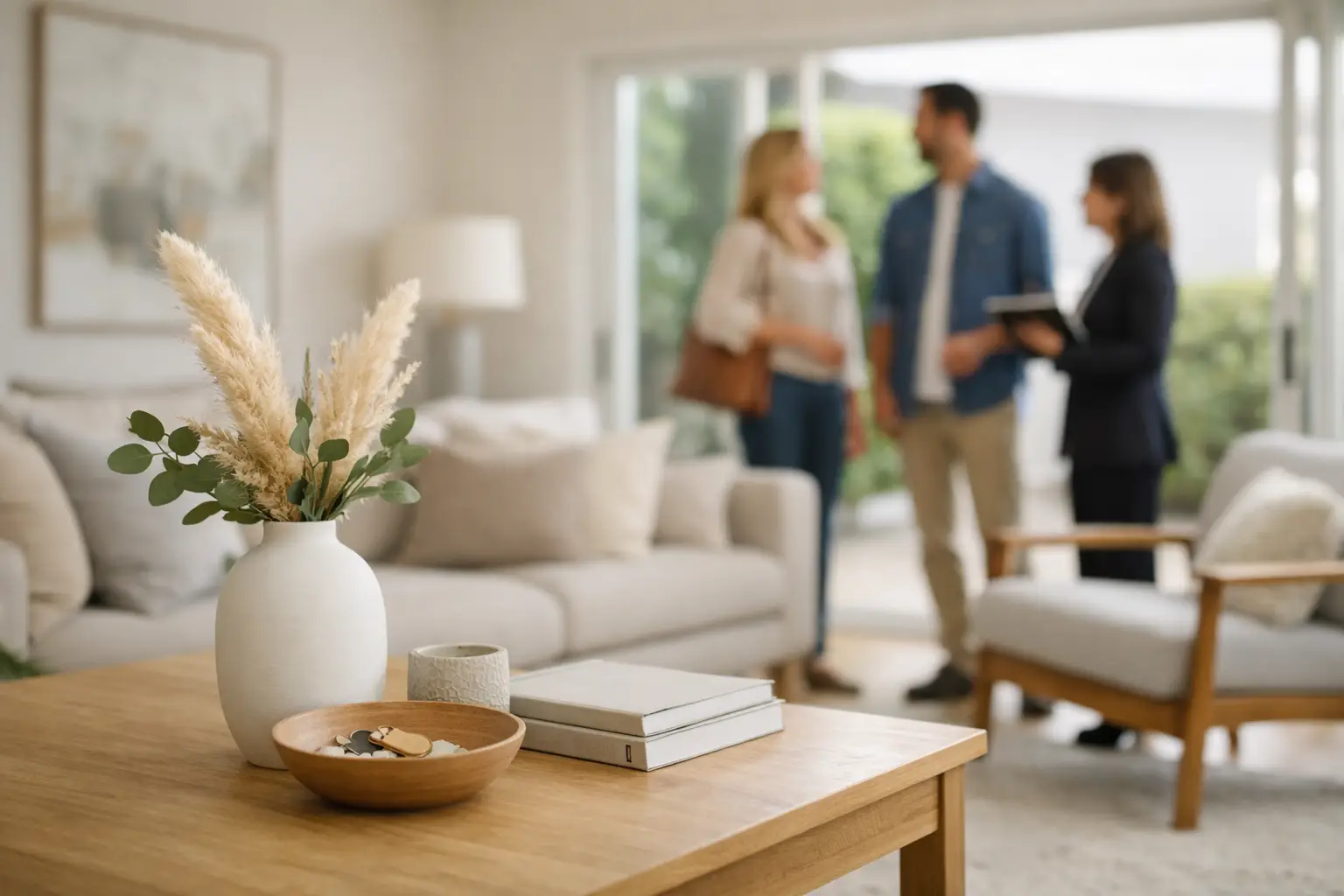
A vacant apartment can quietly cost you money. Buyers walk in, struggle to judge scale, and leave without forming a clear emotional connection. That is why property styling for sale is not just about making a home look attractive – it is about helping people understand the space quickly, imagine living in it, and feel confident enough to act.
For sellers, landlords, and property agents, that shift in perception matters. A well-styled property can photograph better, present more clearly during viewings, and reduce the friction that often slows down offers. In a competitive market, presentation is rarely the only factor, but it often shapes the first impression that decides whether someone wants to continue the conversation.
Why property styling for sale changes buyer behavior
Most buyers do not assess a home like a valuer or contractor. They respond first to what they see and feel. If a living room looks cramped, a bedroom feels awkward, or the layout seems confusing, they tend to assume the property has limitations even when the floor plan is sound.
Styling helps remove that uncertainty. It gives each room a clear purpose, improves the sense of proportion, and creates visual flow from one area to the next. A dining area feels usable, a study corner feels intentional, and a bedroom feels restful rather than empty. Those cues make the property easier to read.
There is also a practical benefit for marketing. Furnished and styled spaces usually perform better in listing photography because they add scale, warmth, and definition. That can increase viewing interest before a buyer even steps through the door. If fewer people skip past the listing, the property has more chances to generate serious attention.
What buyers notice first
Buyers rarely say, “the sofa placement convinced me,” but they do notice the effects of good styling. They respond to light, order, comfort, and proportion. When these elements are handled well, the property feels more valuable.
That does not mean every home needs luxury furniture or a dramatic design concept. In fact, over-styling can backfire. If the décor feels too personal, too trend-driven, or too expensive for the property type, buyers may focus on the styling itself rather than the home.
The most effective approach is usually restrained and strategic. Neutral tones, clean lines, and well-scaled furniture allow the architecture and layout to lead. Styling should support the sale, not compete with it.
Property styling for sale is not interior design
This distinction matters, especially for owners who are deciding how much to invest. Interior design is often created around the taste, routine, and long-term needs of the occupant. Property styling for sale is designed for market appeal. Its purpose is to broaden interest, not personalize the space.
That means choices are made differently. A stylist may remove furniture rather than add it. They may simplify the color palette, soften strong design features, or replace bulky items that make a room look smaller. The goal is not self-expression. The goal is clarity, balance, and buyer confidence.
For occupied homes, this can involve editing what is already there. For vacant properties, it may mean furnishing key rooms so the home feels complete. In both cases, the work is commercial in purpose. It is meant to help the property perform better.
When styling delivers the best return
Not every property needs the same level of intervention. A newly completed unit in good condition may only need light furnishing and accessories for photography and viewings. An older property with dated furniture may benefit more from decluttering, layout correction, and selective replacement. A fully vacant home often needs the most help because empty rooms tend to look smaller and less inviting than they really are.
The return also depends on the sale strategy. If the target buyer is an investor, practicality and clean presentation may matter more than emotional warmth. If the property is aimed at owner-occupiers, the atmosphere becomes more important. Families want to understand how daily life could work in the space. Expat buyers and relocating professionals may also respond well to homes that feel move-in ready and easy to picture immediately.
In Singapore, this is particularly relevant for sellers and agents handling compact layouts, transitional housing stock, or properties marketed to international audiences. When buyers are comparing several units in a short time, the one that feels organized and ready often stands out.
The rooms that matter most
You do not need to style every square foot with equal intensity. Buyers tend to make their strongest judgments in the living room, dining area, master bedroom, and entrance. These spaces shape the overall impression of functionality and comfort.
The living area should show conversation space and movement. If furniture blocks pathways or feels oversized, the room can seem tighter than it is. The dining area should make sense in scale. Even a compact two-seat arrangement can help define purpose better than an empty corner.
The master bedroom is another key space because it signals comfort and privacy. It should feel calm, not crowded. Bedside tables, layered bedding, and soft lighting can create that effect without much complexity. Bathrooms and kitchens usually rely less on styling and more on cleanliness, order, and restraint. A few finishing touches can help, but these spaces must first look well-maintained.
What a practical styling process looks like
A good styling process starts with assessment, not furniture selection. The first question is what the property needs to achieve. Is the goal to attract a broad pool of buyers, support premium positioning, or help a vacant unit feel livable? The answer affects every styling decision.
From there, the focus usually shifts to scale, layout, and visual balance. Rooms are evaluated for what should stay, what should go, and what needs to be introduced. In some cases, the fastest improvement comes from removing half the existing furniture. In others, a vacant unit needs complete furnishing in key zones to create structure.
Rental furniture is often the most practical solution for sale staging because it avoids the cost and delay of buying pieces outright. It also allows the styling to stay tailored to the property rather than limited by what the owner already has. For agents, developers, and landlords handling multiple units, that flexibility can make the process far more efficient.
This is where a service-led partner such as Expats Partner can add real value. The benefit is not only design support, but speed, logistics, and the ability to furnish for presentation without creating more operational burden for the client.
Common mistakes that weaken a sale presentation
The most common mistake is assuming clean equals styled. Cleanliness is essential, but it does not solve poor room definition or weak visual flow. A spotless vacant unit can still feel cold and difficult to interpret.
Another mistake is using furniture that is too large or too small. Scale errors distort perception. Buyers may think a bedroom cannot fit a proper bed, or that a living room lacks function, when the problem is actually the furniture choice.
Personal décor is another risk. Family photos, niche collections, and bold styling choices make it harder for buyers to project themselves into the home. The same is true of excessive accessories. Styling should sharpen the message of the property, not create visual noise.
Finally, rushing the presentation can undermine the entire campaign. If photography happens before the space is ready, or viewings begin before the home feels complete, the first wave of buyer interest may be wasted.
Is property styling always worth it?
Usually, yes – but the level of styling should match the property and the sales objective. A modest unit does not need a high-concept installation. A premium listing, on the other hand, may require a more refined finish to justify buyer expectations. The key is proportional investment.
For some owners, a light-touch approach is enough. For others, especially with vacant, awkward, or slower-moving properties, professional styling can make a meaningful difference in how quickly the home gains traction. It is less about decoration and more about reducing buyer hesitation.
A property does not have to be perfect to sell well. It has to be easy to understand, pleasant to walk through, and memorable for the right reasons. When styling achieves that, it does more than improve appearance – it helps the property move from being viewed to being chosen.
If you are preparing a home for market, the smartest question is not whether the space looks nice. It is whether the presentation is helping people say yes faster.