
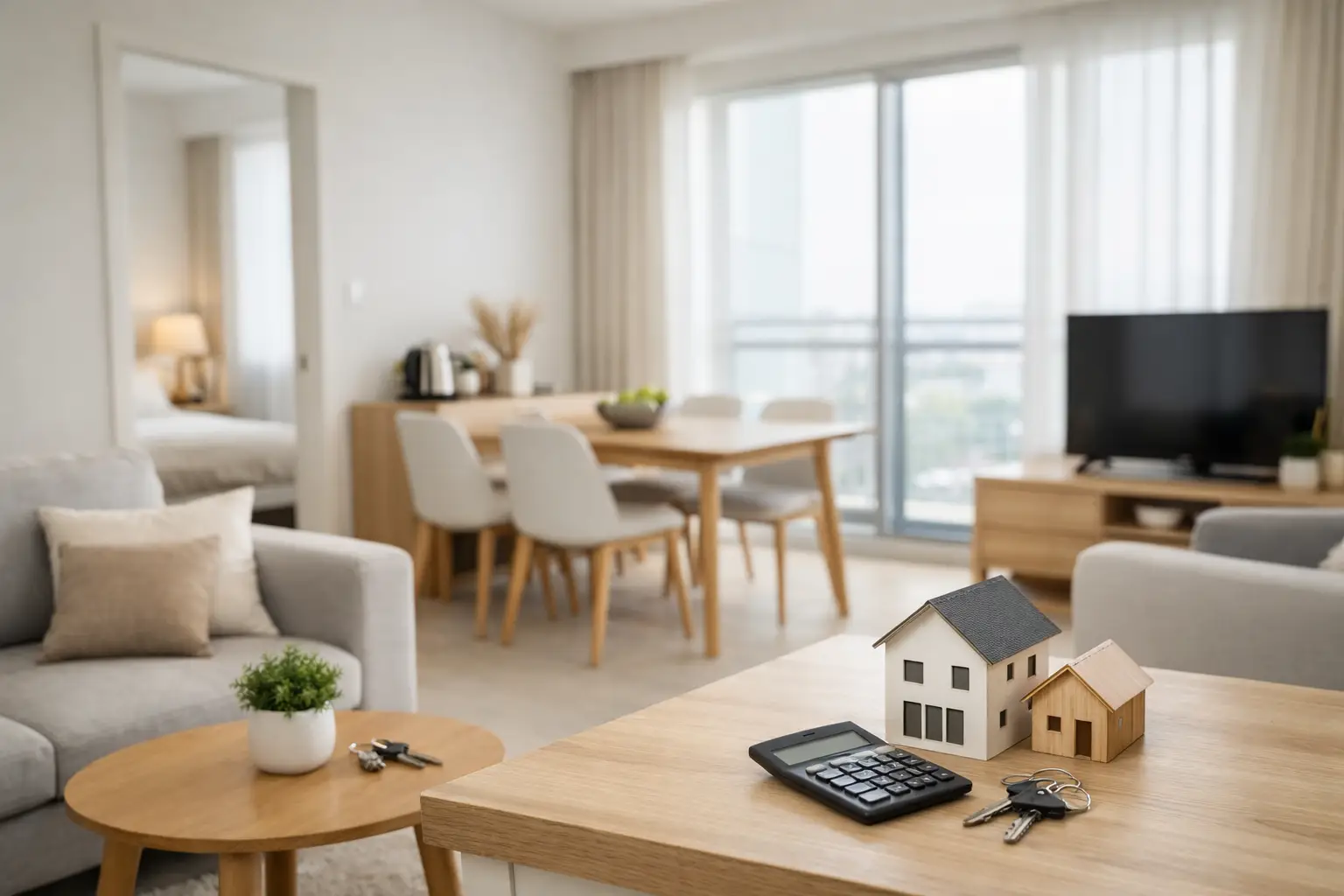
An empty flat rarely rents as well as people hope. Online, it can look smaller than it is. During viewings, it can feel cold, awkward, and difficult to picture as a home. That is why rental furniture for landlords has become less of a styling extra and more of a practical leasing tool.
For landlords, the question is usually not whether furniture looks better than an empty unit. It does. The real question is whether the cost and coordination produce a commercial return. In many cases, they do – especially when a property is vacant, newly completed, between tenants, or aimed at renters who expect a move-in-ready experience.
When rental furniture for landlords makes sense
Furniture rental is most useful when presentation affects decision-making speed. A vacant property with good finishes can still underperform if viewers struggle to understand scale, layout, or function. A sofa defines the living area. A dining set gives purpose to open-plan space. Beds make bedrooms feel proportionate rather than bare.
This matters even more for listings that live or die on first impressions online. Property agents know that photographs do much of the early selling. If the unit feels unfinished in photos, enquiries can soften before anyone books a viewing.
For landlords, there are a few common situations where renting furniture is particularly effective. The first is a newly vacant unit that needs to be marketed quickly. The second is a higher-value property where expectations are stronger and presentation needs to match the asking rent. The third is a layout that feels difficult to read when empty, such as compact flats, irregular living rooms, or multi-use spaces.
There is also a practical case for furnished rental when the target tenant is an expatriate, a relocating family, or a corporate lease. These tenants often value convenience. If they are arriving on a timeline, a space that already feels set up can remove friction and help them commit faster.
What landlords are really paying for
It is easy to think of furniture rental as paying for sofas, beds, and dining chairs. In reality, landlords are paying for a more marketable property and a simpler setup process.
That distinction matters. Buying furniture means choosing pieces, arranging delivery, handling assembly, dealing with storage later, and deciding what to do if the unit strategy changes. Renting keeps the commitment lighter. The property can be staged for sale, furnished for lease, or refreshed between tenancies without turning furniture ownership into another management problem.
A service-led setup also tends to create better visual consistency. That is useful because tenants and buyers respond to homes that feel coherent and ready, not just occupied. A neutral, clean scheme helps viewers focus on the space itself rather than on mismatched pieces or overly personal style.
For landlords who manage multiple units, this flexibility can be especially useful. Not every property needs the same level of furnishing. Some benefit from full furniture packages. Others only need key pieces to improve photos and viewings. The right scope depends on the rental bracket, target audience, and how long the property is expected to sit vacant.
The trade-off between buying and renting
There are cases where buying furniture may be more economical. If a landlord intends to keep a unit furnished for many years with little change in strategy, ownership can make financial sense over time. That is particularly true for straightforward, durable setups where storage and maintenance are already under control.
But buying has hidden costs. Furniture ages, styles date, and damage becomes the landlord’s problem. If a tenancy ends and the next marketing cycle needs a fresher look, replacing owned items can become a larger spend than expected. There is also the issue of speed. Purchased furniture does not always arrive when the listing timeline needs it.
Rental furniture works best when flexibility matters as much as cost. A landlord avoids a large upfront outlay, gets a coordinated result, and can adjust the setup to suit the current leasing objective. That agility is often worth more than the theoretical long-term savings of ownership.
How furniture changes the viewing experience
Most tenants decide emotionally before they justify the numbers logically. They want to feel that a property suits their daily routine. That is much easier when rooms show clear function.
A furnished bedroom feels calmer and more believable than an empty one. A styled living room suggests where people will gather, work, or rest. Even simple accessories can soften a unit enough to make it feel cared for, which influences how tenants perceive the landlord and the overall quality of the property.
This does not mean every unit should be heavily dressed. In fact, over-styling can work against the goal. For rental listings, the most effective approach is usually restrained and practical. The furniture should support the space, not dominate it. Clean lines, balanced proportions, and neutral colours tend to appeal to a wider tenant pool.
That broad appeal is important. Landlords are not furnishing for personal taste. They are presenting the unit in a way that helps more viewers say yes.
Rental furniture for landlords and time on market
Vacancy has a cost that is easy to underestimate. Every extra week on market affects income, and price reductions can quickly outweigh the cost of improving presentation.
This is where rental furniture can have a measurable business role. Better listing images can lift enquiry quality. A clearer layout can improve viewing confidence. A home that feels ready can shorten hesitation, especially among tenants comparing several similar units.
Of course, furniture alone will not fix the wrong asking rent, poor maintenance, or an inconvenient location. But when the fundamentals are already sound, presentation often becomes the deciding factor. It helps the property compete on perceived value rather than just on price.
For agents, this can also mean more productive viewings. Prospective tenants ask fewer abstract questions when they can see how the space works. The conversation shifts from imagining possibilities to evaluating fit.
What to look for in a furnishing partner
Landlords and agents usually need more than furniture. They need reliability, speed, and a setup that aligns with the listing goal.
A good furnishing partner should understand the difference between staging for visual impact and furnishing for practical occupancy. Sometimes the job is to create a stronger first impression for marketing. Sometimes it is to deliver a functional, liveable setup for a tenant moving in soon after signing. The right recommendation depends on the property’s purpose.
It also helps to work with a team that can move quickly and keep coordination simple. Property timelines change. Tenancies fall through, handovers shift, and launch dates move forward. A practical partner makes those changes easier to manage rather than adding another layer of complexity.
Clarity on package scope matters too. Landlords should know what is included, how long the rental term runs, and what happens if the property is leased faster than expected or needs to stay furnished longer. Simple commercial terms are often just as valuable as good design.
A smarter way to prepare a vacant unit
The strongest case for furniture rental is not that it makes a home look nicer, though it usually does. It is that it helps a vacant property perform more like a product that is ready for market.
For landlords, that can mean stronger photos, more confident viewings, and fewer delays caused by an empty, hard-to-read space. For agents, it provides a clearer presentation tool that supports the listing rather than leaving viewers to do all the imagining themselves.
In Singapore’s rental market, where speed, convenience, and presentation often shape early interest, furnishing can be a practical commercial decision rather than an aesthetic one. The best results usually come from treating furniture as part of the leasing strategy, not an afterthought once the unit is already struggling.
If the goal is to reduce friction, present the property clearly, and give prospective tenants a reason to act, rental furniture is often a sensible place to start.
Contact us now at: Kevin Chang – 80119753 sales@expatspartner.com.sg Sales Specialist