
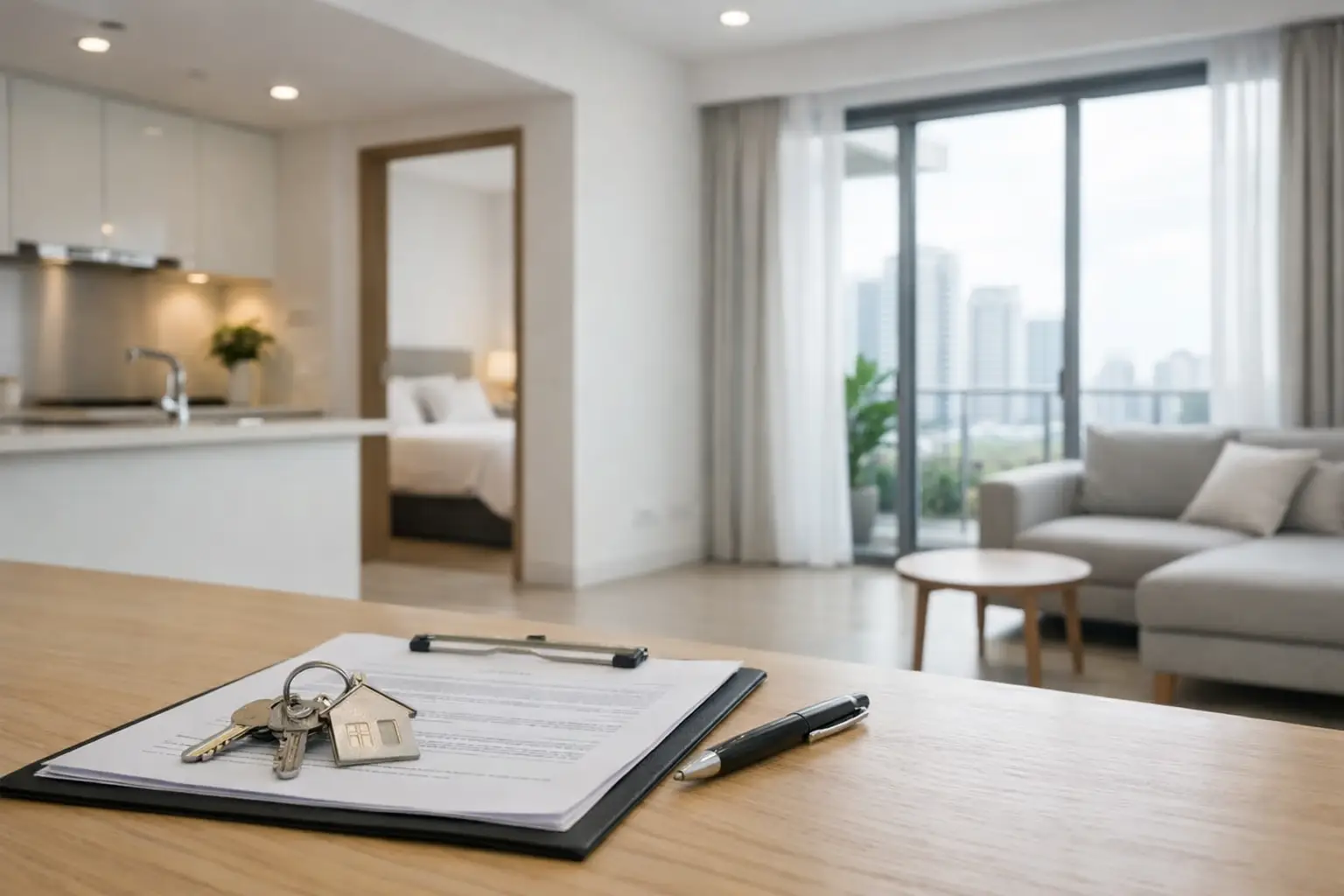
An empty unit can look bigger in person yet feel smaller online. It can be clean, freshly painted and well located, but still leave buyers or tenants unsure how the space actually works. That is where a vacant property presentation guide becomes useful – not as a styling exercise for its own sake, but as a practical way to help people understand the home quickly and respond with more confidence.
For agents, that matters because enquiry is rarely driven by square footage alone. Most prospects decide whether to book a viewing from a handful of listing photos on a small screen. If the property feels cold, awkward or difficult to picture furnished, the listing may be skipped before its strengths are even noticed. For owners and landlords, the cost of leaving a unit visually underperforming is not only time on market. It can also show up in weaker offers, slower rental decisions and repeated viewings that do not convert.
Why vacant homes often underperform
A vacant property is not automatically a problem. Some homes have strong architecture, excellent natural light or an efficient layout that carries the viewing on its own. But many empty spaces read as unfinished rather than move-in ready. Rooms can appear smaller without scale references, and unusual corners become more obvious when there is nothing to guide the eye.
There is also a behavioural factor. Most viewers are not trained to interpret empty space. They are trying to answer practical questions quickly. Will my sofa fit here? Is this bedroom genuinely usable? Could a dining table sit between the kitchen and living area without blocking the flow? When a room offers no visual cues, people have to do more mental work. The more effort a viewer has to make, the easier it is for hesitation to creep in.
This is particularly relevant in busy sales and rental markets, where prospects compare multiple listings in a short window. A property that feels legible and inviting tends to be remembered. One that feels blank may simply merge into the rest.
A vacant property presentation guide for better first impressions
The aim is not to decorate every room heavily. Good presentation gives shape, proportion and purpose to the home. It helps viewers understand how to live in the space, without making it feel overly personalised.
In practice, that usually means three things. First, the property must look well maintained. Second, key rooms should feel functional. Third, the overall presentation should match the target market. A family-sized home, a compact flat for rental, and a corporate accommodation unit may all need different staging choices even if the same furniture inventory is available.
That is why blanket advice can fall short. Presentation should be tied to the outcome you want – faster leasing, stronger buyer interest, a more premium perception, or simply a cleaner and easier viewing experience.
Start with the online listing, not the viewing
Most presentation decisions should be made with photography in mind first. The initial job of a staged vacant property is to stop the scroll and earn the viewing. If the photos do not communicate warmth, proportion and usability, the setup has not done enough.
This changes how you prioritise rooms. In many cases, the living area, main bedroom and dining zone deserve the most attention because they do the heaviest work in photos. Secondary bedrooms, study corners and balconies matter too, but not always at the same level. It depends on what sells the specific property.
A one-bedroom rental unit might benefit most from a clear living-dining arrangement and a polished bedroom. A larger resale home may need more balanced styling across several rooms because buyers are evaluating layout, lifestyle and family use all at once.
Fix the basics before adding anything
Furniture cannot compensate for visible maintenance issues. Before styling begins, handle the details that make a property feel neglected. Marks on walls, stained grout, blown light bulbs, dusty skirting, chipped laminate and lingering odours all interfere with perceived value.
This is one of the most common trade-offs in property presentation. Some owners assume staging alone will lift the listing enough to offset minor defects. Sometimes the market is forgiving, but often viewers interpret those defects as a sign of broader problems. A modest refresh usually does more for confidence than a more elaborate decorative setup placed on top of avoidable wear and tear.
How to present a vacant property with purpose
A well-presented vacant home should answer the viewer’s main questions room by room. What is this space for? How does it feel to move through it? Does it look easy to live in?
In the living room, define conversation and circulation clearly. A rug, sofa, coffee table and a small accent chair often do enough to establish scale and make the room feel settled. Oversized furniture can backfire by making the space feel tight, while pieces that are too small can make the room seem less substantial than it is.
In the dining area, even a simple four-seater arrangement can clarify how the layout works. This matters in open-plan homes where viewers may otherwise struggle to distinguish living and dining zones. In bedrooms, the bed is usually the anchor. It signals proportion immediately and helps people judge what else can fit.
Styling should stay neutral, but neutral does not mean lifeless. Texture, layered soft furnishings and considered lighting can add warmth without distracting from the property itself. The best setups support the room rather than compete with it.
Know when partial staging is enough
Not every vacant property needs full-home staging. If budget is tight or the listing is likely to move quickly, selective staging can still improve performance. The key is choosing the rooms that influence decision-making most.
For many sale listings, the living area and master bedroom carry the greatest weight. For rentals, especially smaller units, staging only the main zones may be enough to improve photography and viewings. This is often a sensible middle ground for landlords who want a stronger presentation without overcommitting.
That said, partial staging works best when the unstaged areas are still clean, bright and clearly maintained. If empty rooms feel stark or neglected, the contrast can become more noticeable.
Match the styling to the expected viewer
Presentation should reflect the likely buyer or tenant, not the owner’s personal taste. A family-oriented home may benefit from a layout that suggests comfort and practicality. A city flat aimed at professionals may need a cleaner, more streamlined look. Corporate housing often calls for an especially functional approach, where the space must read as move-in ready with minimal friction.
This is where experience matters. The right setup is rarely about adding more items. It is about choosing the pieces that make the property easier to understand and easier to want.
Common mistakes this vacant property presentation guide can help avoid
One mistake is treating every room equally. In reality, some rooms sell the listing and others simply support it. Another is using furniture that is either too bulky or too sparse for the floor plan. Both distort how the property is perceived.
A third is overstyling. Too many accessories can make the setup look artificial, especially in smaller homes. Buyers and tenants do not need a showroom. They need a clear sense of how the space lives.
Finally, timing is often underestimated. If staging is delayed until after weak photos have already gone live, the listing may lose momentum early. Presentation works best when planned before photography, not after poor response forces a correction.
The operational case for staged furnishing
For agents and landlords, staged furnishing is not just a visual decision. It is often the simplest operational route. Buying furniture for a short-term sales campaign rarely makes sense. Coordinating delivery, assembly, removal and storage can also become a distraction from the actual goal, which is to present the property well and move it forward.
A rental-based setup solves that neatly. It allows the property to be furnished quickly, styled appropriately, and removed when the campaign or tenancy outcome is achieved. For clients managing multiple units or time-sensitive listings, that flexibility is often as valuable as the design itself.
This is one reason companies such as Expats Partner are typically brought in early. The benefit is not only the finished look. It is the ability to turn an empty space into a market-ready one without adding layers of coordination for the agent or owner.
Good presentation does not guarantee a sale or tenancy, because pricing, timing, location and market conditions still matter. But it does remove a common barrier: uncertainty. When viewers can read the space quickly, imagine living in it and remember it after they leave, the property has a better chance of prompting a decision.
If you are preparing an empty unit, think less about decoration and more about clarity. The strongest vacant property presentation helps the space make sense at a glance – online, at the door and throughout the viewing.
Contact us now at: Kevin Chang – 80119753 sales@expatspartner.com.sg Sales Specialist