
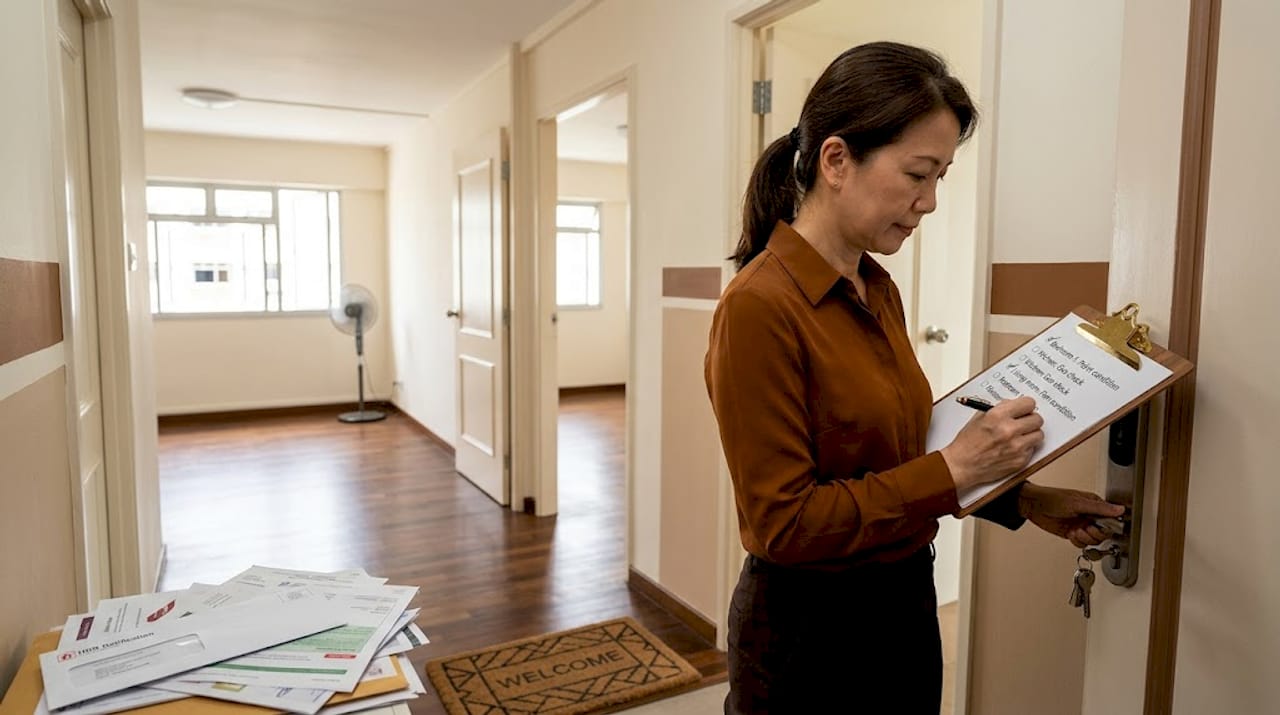
Every week a property sits empty, it costs you money. Whether you own a condo in Singapore or a flat elsewhere, a vacant rental drains income and creates ongoing maintenance obligations. The question of how do I make my vacant property more attractive to tenants is one many landlords face, often without a clear plan. The good news is that most of the factors that attract tenants to property are well within your control. This guide walks you through preparation, presentation, marketing, and the finishing touches that convert viewings into signed tenancy agreements.
Table of Contents
- Key takeaways
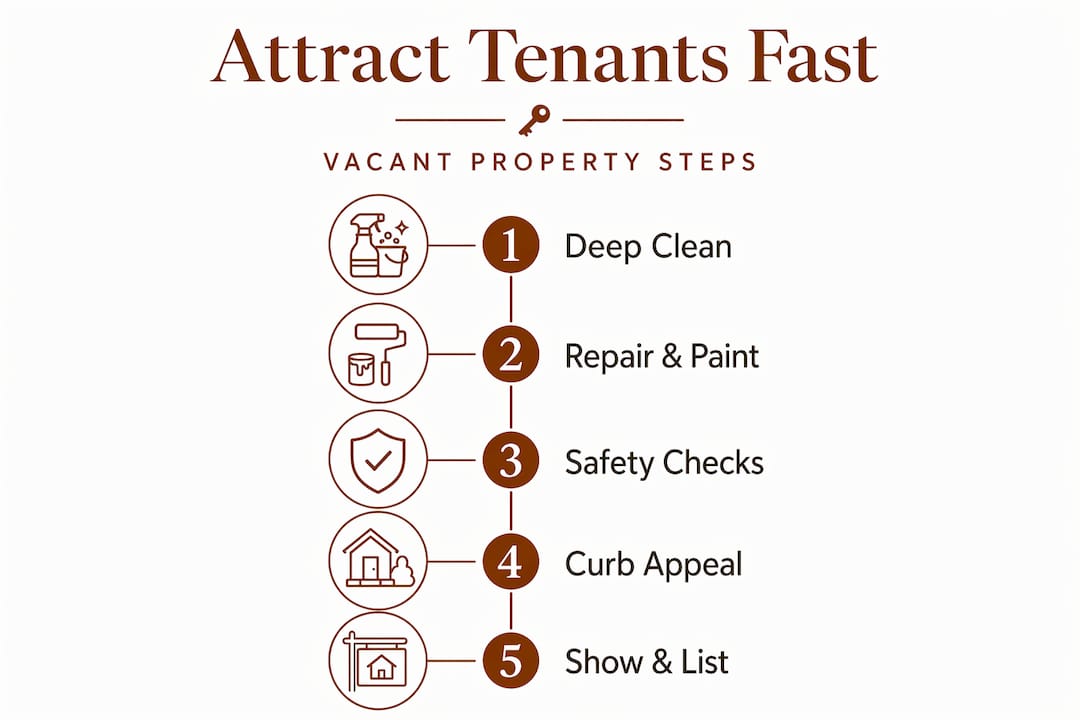
- How to make your vacant property attractive to tenants: preparation first
- Curb appeal and interior presentation
- Digital marketing strategies that attract high-intent tenants
- Value-adding features that set your property apart
- Final checks before listing and during viewings
- What I have learned from working with landlords on vacant properties
- Ready to furnish and stage your vacant property?
- FAQ
Key takeaways
| Point | Details |
|---|---|
| First impressions are formed fast | Prospective tenants decide within 9 seconds, so curb appeal and entryway presentation matter enormously. |
| Clean properties attract better tenants | Professional deep cleaning signals high standards and draws applicants who are more likely to care for the property. |
| Digital listings drive decisions | 98% of renters begin their search online, making accurate, photo-rich listings non-negotiable. |
| Speed of response wins leads | Automated responses capture tenant interest before competitors do, especially as decision windows shrink. |
| Furnishing adds warmth and functionality | A furnished or staged space helps tenants visualise living there, reducing time on the market. |
How to make your vacant property attractive to tenants: preparation first
Before you photograph, list, or invite a single viewer through the door, the property itself must be genuinely ready. Skipping this stage is the most common and costly mistake landlords make.
Professional cleaning sets the tone
Professional deep cleaning signals high standards and attracts responsible tenants who are more likely to maintain the property well. This goes beyond a standard clean. Grout lines, extractor fans, inside cupboards, window tracks, and bathroom sealant all need attention. A property that smells fresh and looks spotless communicates care and quality before a single word is spoken.
Cosmetic repairs and updates
Minor damage that you have lived with for years will register immediately with a prospective tenant. Address these before listing:
- Fill and repaint any scuffed or marked walls using neutral, muted tones
- Replace broken light fittings, cracked switch plates, and dripping taps
- Fix sticking doors, loose handles, and damaged flooring
- Touch up skirting boards and door frames
These repairs are low cost but carry significant weight in how the property is perceived.
Safety compliance and system checks
Confirm that all gas appliances, electrical systems, and smoke alarms are fully functional and compliant with current regulations. A property with a valid gas safety certificate and working carbon monoxide detectors signals professionalism. Tenants, particularly those with families, prioritise safety above almost everything else.
Securing the property during vacancy
Vacant properties carry higher risk for security hazards and legal liabilities if left unsecured. Schedule regular inspections, check that all entry points are locked, and consider a basic alarm system or timer lights to deter opportunists. This protects your asset and your liability position.
Pro Tip: Keep a written log of every inspection, repair, and safety check during the vacancy period. This documentation builds trust with prospective tenants and protects you legally.
Curb appeal and interior presentation
Once the property is clean, safe, and repaired, attention shifts to how it looks and feels. This is where you improve rental appeal in a way that genuinely moves people.
The exterior sets expectations
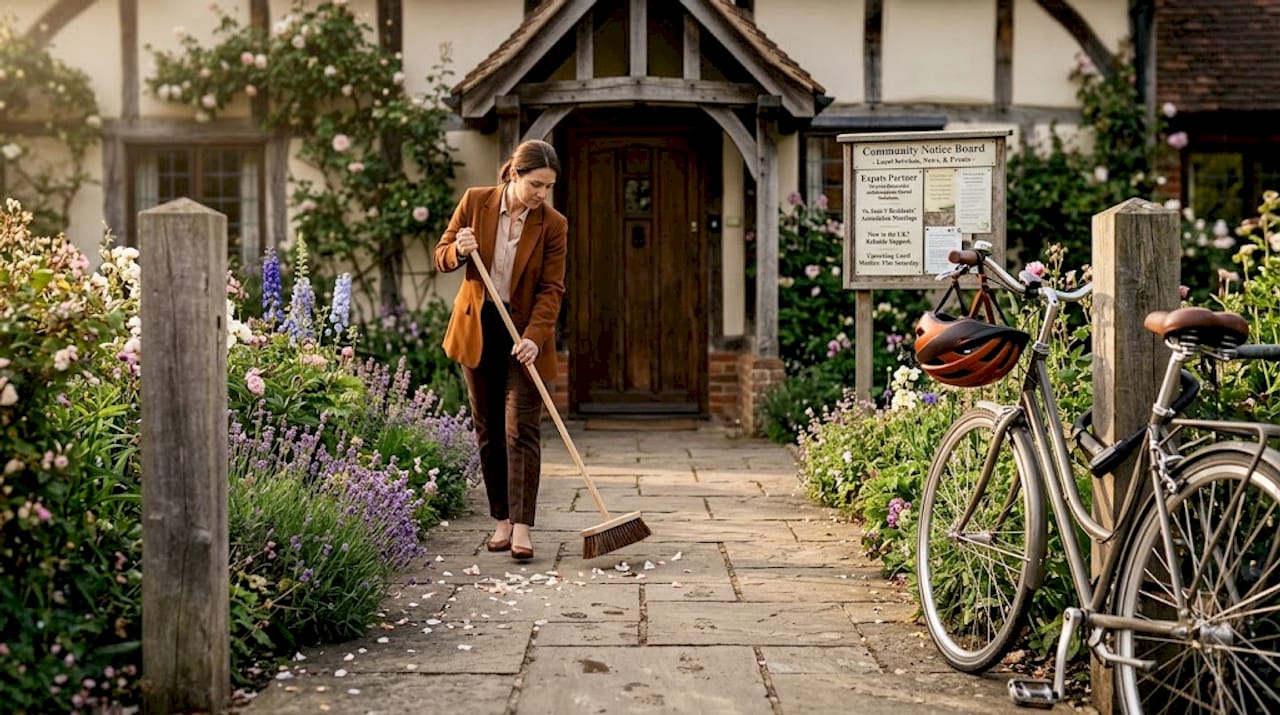
A tidy, well-maintained entrance signals that the interior will be equally cared for. Sweep pathways, trim any overgrown plants, clean windows from the outside, and repaint the front door if it shows wear. In a block of flats, ensure the communal hallway leading to your unit is clean on the day of viewings. You cannot always control shared spaces, but you can speak to the building manager and schedule viewings around cleaning days.
Neutral interiors with broad appeal
Neutral interior colours help tenants visualise their own furnishings and avoid the visual clash that bold or personalised décor creates. Stick to warm whites, soft greys, and light beige tones. Remove any remaining personal items, excess furniture, and clutter. The goal is a space that feels calm, clean, and easy to imagine living in.
Lighting and layout
Good lighting makes rooms feel larger and more welcoming. Open blinds and curtains fully for viewings. Replace any dim or yellowed bulbs with warm white LED alternatives. Arrange furniture, if present, to demonstrate clear traffic flow and purpose for each room. A bedroom should look like a bedroom, not a storage space.
Photography and video: show the actual unit
Accurate, unit-level photos of the specific available property filter out low-intent viewers and increase qualified leads. Using model unit photos or stock images reduces conversion and wastes everyone’s time. Hire a professional photographer, shoot during daylight hours, and include every room. A short walkthrough video adds further transparency and saves time for both parties.
| Presentation element | Low effort | High effort |
|---|---|---|
| Photography | Smartphone photos in poor light | Professional daylight photography of actual unit |
| Cleaning | Basic surface clean | Full professional deep clean including fixtures |
| Décor | Personal items left in place | Neutral palette, decluttered, staged furniture |
| Outdoor space | Untouched | Swept, trimmed, freshly painted front door |
Pro Tip: Schedule your photography session on a bright morning. Natural light is the single biggest factor in how welcoming a property looks in listing images.
Digital marketing strategies that attract high-intent tenants
98% of renters start their search online, which means your listing is often the first and most critical impression. Getting this right is not optional.
Writing descriptions that convert
Active voice and sensory language communicate property lifestyle and quality more effectively than passive, generic descriptions. Rather than “the kitchen is modern,” write “the kitchen features stone countertops, integrated appliances, and direct access to the balcony.” Mention specific amenities, nearby MRT stations or transport links, schools, supermarkets, and lifestyle features. Specificity builds credibility.
Here is a practical process for writing a listing that works:
- Lead with the property’s single strongest feature in the opening sentence
- Describe each room with one specific, sensory detail (light, space, view, finish)
- List all included amenities clearly: parking, storage, air conditioning, furnishings
- State the location benefits with specific distances, not vague references
- Close with a clear call to action and your preferred contact method
Responding fast enough to matter
Lead-to-tour time has shrunk considerably in 2026, and delays cause prospects to move on to competitors almost immediately. Set up automated first-touch responses that acknowledge enquiries within minutes, provide basic property details, and offer a link to book a viewing slot. This does not need to be complex. A simple auto-reply with a scheduling link is enough to keep a lead warm while you follow up personally.
Floor plans and video walkthroughs
Including a floor plan in your listing reduces wasted viewings from tenants whose spatial requirements do not match the property. A short video walkthrough, even a simple one recorded on a smartphone in good light, gives remote or overseas prospects the confidence to commit to a viewing. This is particularly relevant in Singapore, where a significant portion of the rental market consists of expats and foreign professionals who may be searching from abroad.
Highlight lifestyle, not just logistics
Tenants are choosing a home, not just a floor plan. Mention proximity to parks, hawker centres, gyms, or co-working spaces. If the building has a pool, gym, or concierge, say so clearly. These features tenants look for are often the deciding factor between two similarly priced properties.
Value-adding features that set your property apart
Once the basics are covered, consider what genuinely differentiates your property from others at a similar price point. These additions do not need to be expensive to be effective.
- Energy efficiency: Smart thermostats and energy-efficient windows reduce utility bills, which is a selling point tenants increasingly mention in their search criteria
- Secure storage: Bike storage and dedicated storage lockers are highly valued, particularly in urban areas where space is at a premium
- Pet-friendly policy: Allowing pets significantly widens your applicant pool. Many landlords avoid this, which means those who permit it gain a clear advantage
- EV charging access: In buildings where this is feasible, access to electric vehicle charging is a growing differentiator
- Furnished or staged presentation: A furnished space is warmer, more functional, and easier to visualise than an empty one. Furniture rental for vacant properties is a practical, cost-effective way to stage without committing to a purchase
You can read more about furniture rental for staging and how it reduces vacancy periods in the Singapore market.
| Feature | Cost to implement | Impact on rental appeal |
|---|---|---|
| Professional staging or furniture rental | Low to medium | High: creates emotional connection |
| Pet-friendly policy | Zero | High: widens applicant pool significantly |
| Smart thermostat | Low | Medium: appeals to efficiency-minded tenants |
| Secure bike storage | Low to medium | Medium: valued in urban locations |
| EV charging access | Medium to high | Growing: increasingly requested |
Clear, fair tenancy agreements also matter more than many landlords realise. Transparent terms, reasonable deposit requirements, and a straightforward renewal process all build trust before a tenant has even moved in.
Final checks before listing and during viewings
With preparation, presentation, and marketing in place, the final stage is verification. This is where many landlords lose momentum by assuming the work is done.
- Schedule a pre-listing inspection: Walk through the property as a tenant would, checking every room, fitting, and fixture. Note anything that looks worn, smells off, or feels incomplete.
- Maintain cleanliness throughout the vacancy: A property left empty for weeks accumulates dust quickly. Schedule a light clean every week or two, particularly before any viewing.
- Prepare a welcome packet: A simple document outlining the property’s features, appliance instructions, bin collection days, and local amenities makes a strong impression during viewings and demonstrates that you are a considerate landlord.
- Set a realistic rental price: Use current market data from comparable listings in the same area. Overpricing is the single fastest way to extend vacancy. Price competitively and review monthly if the property is not generating enquiries.
- Establish professional communication: Respond to all enquiries promptly, confirm viewing appointments in writing, and follow up with every viewer within 24 hours. Professionalism at this stage directly influences whether a tenant chooses your property over another.
Our vacant property presentation guide covers the inspection and preparation process in further detail for landlords who want a structured checklist approach.
What I have learned from working with landlords on vacant properties
From my experience working with landlords across Singapore, the most common reason a property sits vacant longer than it should is not price. It is presentation combined with slow communication. I have seen beautifully located properties languish for months because the listing photos were dark, the description was generic, and enquiries went unanswered for days.
What I have also noticed is that landlords who invest in professional staging, even through furniture rental rather than purchased pieces, consistently see shorter vacancy periods. An empty room is hard to fall in love with. A room with a sofa, a dining table, and soft lighting tells a story. Tenants make emotional decisions, and an empty space does not give them enough to work with.
My honest advice: do not compete on price alone. Compete on presentation, speed of response, and the quality of communication. A tenant who feels respected and well-informed during the enquiry stage is far more likely to sign, and far more likely to stay.
— Expats Partner
Ready to furnish and stage your vacant property?
If your property is sitting empty and you want to attract tenants quickly, furnishing it is one of the most effective steps you can take. Expats Partner provides flexible furniture rental packages for landlords in Singapore, covering everything from a single bedroom setup to a full-home arrangement.
Whether you need a short-term solution while the property is on the market or a longer-term furnished rental arrangement, Expats Partner has packages designed specifically for landlords. Explore our Singapore furniture rental options or browse our home staging tips to see how professional staging supports faster lettings. Get in touch with Expats Partner to discuss what works best for your property and timeline.
FAQ
How quickly do tenants decide on a rental property?
Tenants form an impression within approximately 9 seconds of arriving at a property, which is why curb appeal and a clean, welcoming entrance are so critical to tenant attraction.
What features do tenants look for most in a rental property?
Tenants prioritise cleanliness, safety compliance, good natural lighting, and proximity to transport links. Pet-friendly policies and energy-efficient features are increasingly cited as deciding factors.
Does furnishing a vacant property help attract tenants faster?
Yes. A furnished or staged property is easier for tenants to visualise living in, which shortens the decision-making process and typically reduces the time a property remains on the market.
How important are listing photos when trying to attract tenants?
Unit-level photos of the actual available property significantly increase qualified leads and reduce wasted viewings compared to generic or model unit images.
How fast should I respond to tenant enquiries?
Respond within minutes where possible. Automated first-touch responses are now standard practice because delays cause prospective tenants to move on to other listings almost immediately.