
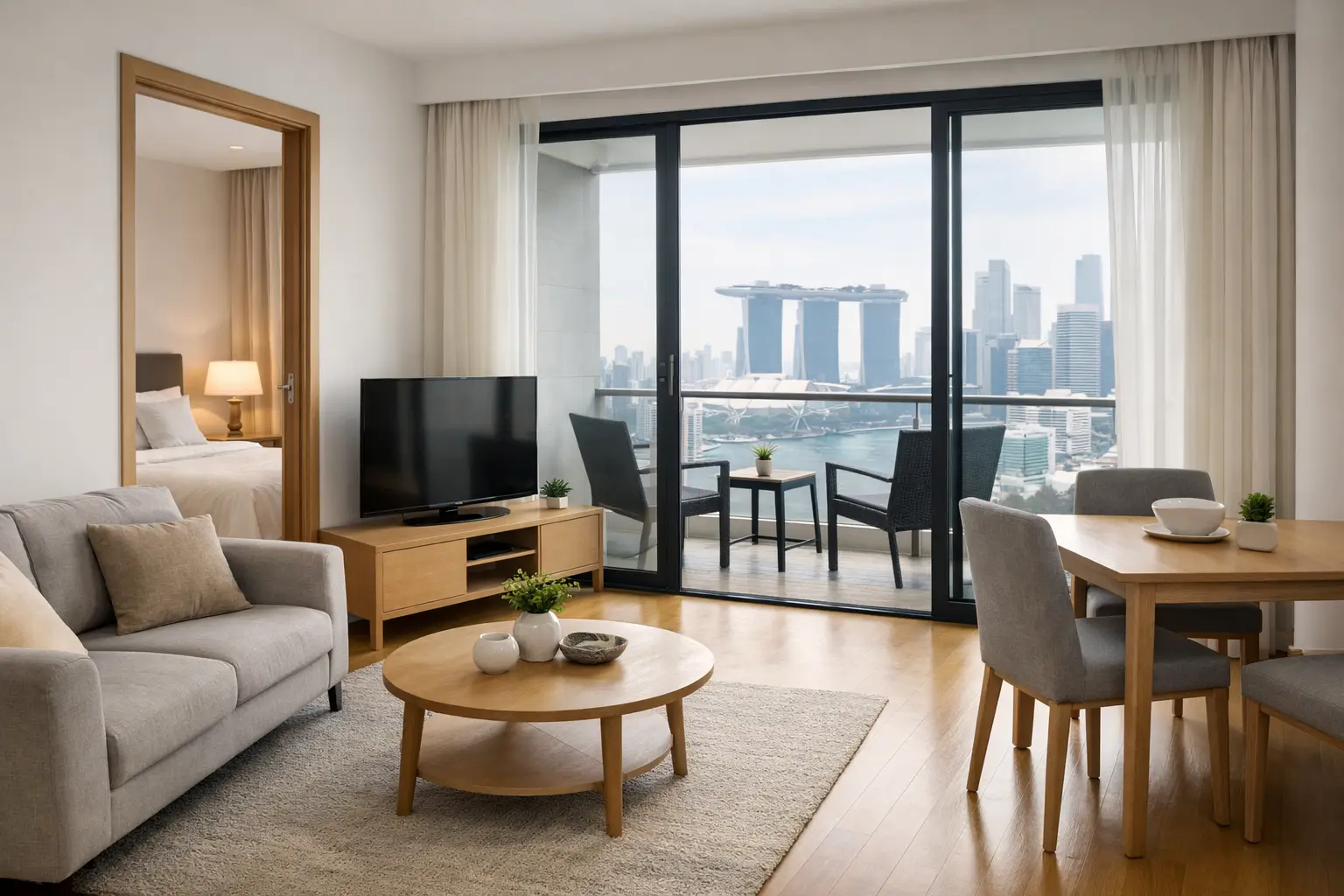
A vacant unit can look larger in photographs, yet still be harder to let. Without furniture, tenants may struggle to judge whether a living room fits a proper dining area or whether the bedrooms can comfortably accommodate daily life. Furniture rental for landlords Singapore gives property owners a practical way to present a home as ready to live in, without committing capital to furniture that may not suit the next tenancy.
For landlords, the question is rarely whether a furnished home looks better. It is whether furnishing will support the intended tenant profile, rental strategy and turnaround timeline. Renting furniture can make particular sense when these factors are changing, or when getting a property ready promptly matters more than owning every item inside it.
Why presentation matters in Singapore’s rental market
Most tenants begin their search online. They compare many listings quickly, often deciding which homes to view from a small set of photographs. An empty space can be clean and well maintained, but it can also feel cold or difficult to understand on a screen. A considered furniture layout gives each room a clear purpose and helps the proportions of the unit read properly.
This is especially useful in compact condominiums, where every square metre needs to work hard. A correctly sized sofa, dining table and bed show how the home can function without making it appear crowded. In larger homes, furniture brings scale to open living areas and helps avoid the impression that rooms are awkwardly shaped or underused.
During viewings, tenants are not simply assessing the floor plan. They are imagining routines: where they will eat, work, rest and host visitors. A tidy, neutral setup makes that process easier. It also supports agents by giving them a property that is ready to photograph, market and show with confidence.
When furniture rental is a sensible choice for landlords
Furniture leasing is not automatically the right option for every property. A landlord with a long-term portfolio, stable tenant demand and a consistent furnishing standard may prefer to buy selected pieces over time. However, rental furniture is often the more measured choice when flexibility has real value.
It suits a newly completed or recently renovated unit that needs to enter the market quickly. Rather than spending weeks shopping, arranging deliveries and assembling items from several suppliers, the landlord can work from a cohesive furniture plan and have the property set up in one coordinated process.
It is also useful between tenancies. If a previous tenant has removed their own furniture, or an older set looks tired, a rental package can refresh the presentation without creating another storage problem later. This can be valuable for landlords who want to test demand for a furnished unit before making a permanent purchase decision.
The approach is particularly relevant for homes aimed at expatriates, corporate tenants and professionals relocating to Singapore. These tenants often value a clean, functional and move-in-ready home. They may be less interested in heavily personalised interiors and more concerned with whether the essentials are present, practical and in good condition.
The financial trade-off to consider
Buying furniture may appear cheaper over a long enough period, but the purchase price is only one part of the equation. Landlords should also account for delivery, installation, repairs, replacement, storage and eventual disposal. Furniture that sits unused between tenancies still takes up space and can deteriorate.
Rental fees offer a different model: a known cost over an agreed period, with the option to return the furniture when the arrangement ends. This does not mean it will always cost less than buying. For a tenancy expected to continue for many years, ownership can be more economical. For a short lease, a property being tested in the rental market, or a unit requiring a fast reset, rental can offer better control over both cash flow and effort.
What a useful furnished setup should include
The strongest rental setups do not fill a room for the sake of it. They give tenants the essentials and allow the property’s layout, light and storage to remain visible. The right selection depends on the size of the home, its location and the people it is likely to attract.
For many one- and two-bedroom units, the priority is a comfortable living area, a practical dining arrangement, suitable bedroom furniture and basic storage. A work desk can be worthwhile where there is space, particularly for tenants with hybrid working arrangements. In family homes, larger dining capacity, more durable seating and well-proportioned bedroom furniture are often more relevant.
Style matters, but it should serve the rental objective. Neutral colours, simple lines and well-maintained pieces tend to appeal to a broader audience than a highly distinctive look. Rugs, lamps, cushions and a small amount of artwork can bring warmth to listing photos, provided they do not make the home feel busy.
A furnished rental should also feel believable. Oversized furniture in a small room, decorative accessories placed everywhere, or a dining table that cannot be used comfortably can weaken the impression. Good space planning is less about adding more and more about choosing the right scale.
Furniture rental for landlords Singapore: a smoother process
The operational side of furnishing is often what catches landlords out. There may be a narrow window after cleaning or repairs and before photography, listing launch or a confirmed move-in date. Coordinating separate retailers, delivery slots and installers can become time-consuming, particularly for owners managing a property from overseas.
A furniture rental partner can simplify this by assessing the property, recommending an appropriate package, arranging delivery and installation, and collecting the items at the end of the agreed term. This gives landlords one point of coordination rather than several. It also reduces the chance of a unit being partly furnished when photographs or viewings are due.
Before confirming a package, it helps to provide the floor plan, photographs, building access requirements and expected tenancy period. Be clear about the target monthly rent and tenant type too. These details help ensure the furniture level matches the property rather than being either too sparse or unnecessarily elaborate.
At Expats Partner, this approach can include curated pre-owned furniture that has been maintained for further use, alongside new items where the property or brief calls for them. For landlords, this can be a practical way to keep a home well presented while making a more considered choice about resources and waste.
Rental furniture or home staging?
The two services overlap, but they serve different points in a property journey. Home staging is usually designed to market a property for sale or lease. Its primary purpose is presentation: stronger photographs, clearer room function and a more welcoming viewing experience. The furniture may be in place for a relatively short campaign.
Furniture rental for a tenancy is intended to support daily living. It normally includes more of the practical items a tenant expects to use throughout the lease, and the rental period is aligned with the occupancy arrangement.
A landlord preparing a vacant property may begin with staging to improve marketing interest, then move into a furnished rental package once a suitable tenant is secured. In other cases, particularly for expatriate-ready homes, furnishing from the outset is the more direct route. The right choice depends on whether the immediate priority is attracting enquiries, supporting a signed tenancy, or both.
Avoid the common furnishing mistakes
One of the most common mistakes is furnishing without a tenant in mind. A premium city-fringe condominium aimed at corporate professionals needs a different approach from a family-sized landed home. The furniture should reflect how the likely tenant will use the space and the rent the market can reasonably support.
Another is treating furniture as an afterthought. If the unit is photographed before it is ready, the first listing images may not show its potential. It is usually more effective to schedule cleaning, furniture installation and photography as one planned sequence.
Finally, do not overlook condition and maintenance. Worn upholstery, unstable dining chairs or mismatched pieces can create a poor impression even in a well-located property. A modest, coherent setup in good condition is generally more persuasive than a room full of furniture with no clear plan.
A rental home does not need to look like a showroom. It needs to feel easy to understand, comfortable to occupy and ready for the right tenant to picture as home. When the furniture plan supports those three things, it becomes a useful part of the letting strategy rather than another item on the landlord’s to-do list.