
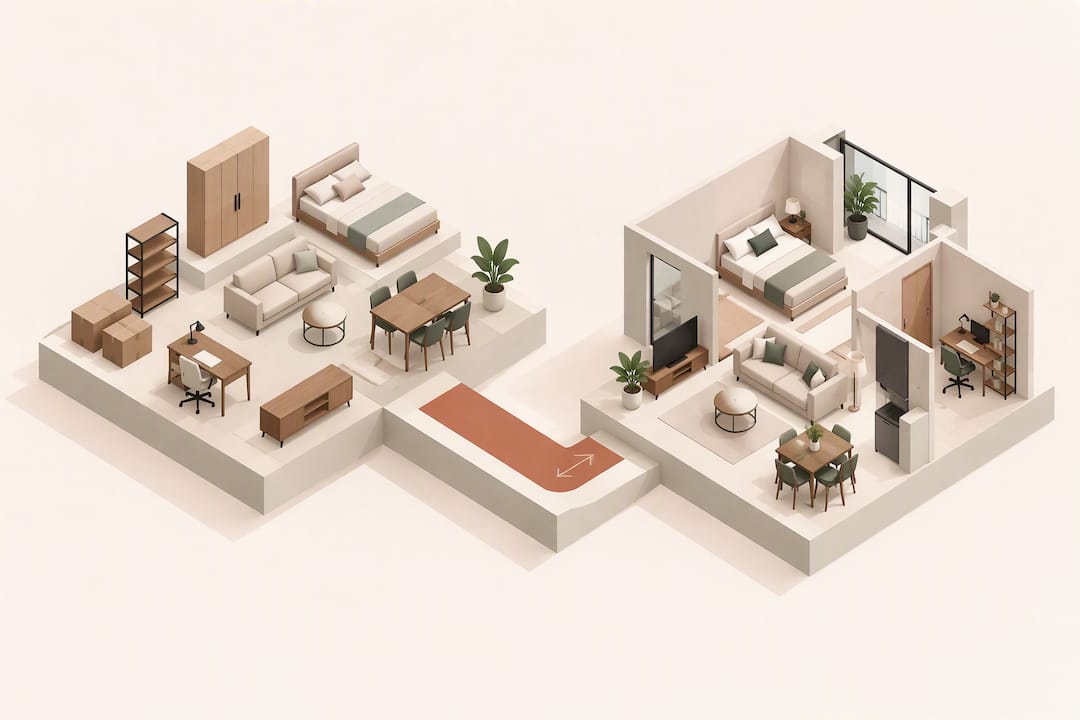
A furnished corporate unit in Singapore should be ready to live in from day one: core furniture, white goods, linens and functioning broadband, all recorded in a room-by-room inventory. Confirm this inventory before handover, since Singapore has no fixed legal definition of “furnished.” Turnkey packages are often offered to coordinators who need a unit ready on a fixed date. Check utilities and inventory the moment keys change hands.
TL;DR:
- Confirm the furnished unit includes core furniture, white goods, linens, and broadband before handover, especially since Singapore has no fixed legal definition of “furnished.”
- Use a detailed room-by-room inventory with photos and serial numbers to protect against deposit disputes and verify existing damage.
- Ensure appliances like dryers and dishwashers are included if advertised as “fully furnished,” since these vary by landlord and commonly cause issues on arrival.
- Obtain itemised quotes from multiple suppliers for furniture, delivery, and assembly, and verify lead times and warranty terms before committing.
- Budget for additional costs such as disposal, lift fees, and after-hours delivery, and compare rental costs versus purchase for placements over one to two years.
Table of Contents
- Room-by-room furnishing checklist for every unit
- White goods, connectivity and in-unit technology
- Kitchenware, linens and consumables starter kit
- Procurement and quote checklist before you commit
- Building a defensible move-in inventory
- Durable, low-maintenance furnishing for frequent turnover
- Singapore housing rules and employer responsibilities
- Budgeting for furnished corporate housing packages
- Ready-to-live pack: pre-arrival and arrival checklist
- How Expats Partner helps you furnish faster
- FAQ
- Sources
Room-by-room furnishing checklist for every unit
A practical furnishing specification works room by room, because that is how both suppliers and inspecting coordinators check the work. Each room has a core list that should never be missing, plus optional extras that depend on the tenant’s seniority or length of stay.
- Living room: sofa seating for the household size, coffee table, television with wall mount or stand, dining table and chairs sized to the unit.
- Bedroom: bed frame and mattress, wardrobe, bedside tables, a work desk if the unit lacks a separate study.
- Kitchen: cookware set, crockery, cutlery, small appliances such as a kettle and toaster, and adequate storage.
- Bathroom: shower caddy, bath mat, basic shelving, and a mirror if not built in.
- Work area: an ergonomic chair, a desk with power access near the seating position, and task lighting.
Quantities should match common Singapore unit sizes rather than a generic template. A one-bedroom condominium rarely needs a six-seat dining table, while a family package for a two-bedroom unit should include a second desk if both adults are working. Modular pieces, stackable chairs, extendable tables, sofas that separate into sections, speed up turnover because they move through lift lobbies and narrow corridors without disassembly. Coordinators managing several units at once should standardise on modular ranges across properties so replacement parts and spare stock stay interchangeable.
White goods, connectivity and in-unit technology
Standard white goods for a furnished corporate unit include a refrigerator, washing machine and air-conditioning units in every bedroom and the living area. Where a unit advertises “fully furnished,” confirm in writing whether a dryer, dishwasher or extra air-conditioning servicing is included, since these vary by landlord and are a common source of disappointment on arrival.
- Refrigerator with adequate capacity for the household size.
- Washing machine, ideally with a dryer function or a separate dryer.
- Air-conditioning units serviced and tested before move-in.
- A television with streaming access configured and remotes labelled.
- Access cards, gate fobs and spare keys handed over and logged.
Many coordinators incorrectly assume utilities and broadband arrive automatically. Unless the lease or company policy states otherwise, occupants may need to open an SP Group account or sign a broadband contract themselves, and Singtel or StarHub activation can take longer than a short assignment allows for. Arrange an interim mobile hotspot or portable router for the first days whenever activation timing is uncertain.
Kitchenware, linens and consumables starter kit
A starter kit removes the first-week scramble for essentials that a tenant should not have to shop for on arrival. The kitchen kit should cover pots, pans, a chopping board, basic utensils, plates, bowls, glasses and cutlery for the maximum expected household size, plus bin liners and dish soap.
- Linens: two full sets per bed, including fitted sheet, flat sheet and pillowcases.
- Towels: two bath towels and one hand towel per occupant.
- Pantry basics: salt, cooking oil, tea or coffee, and a small supply of cleaning products.
- Replenishment: agree in writing whether consumables are a one-off welcome gesture or a recurring top-up.
Hygiene standards matter more in units with frequent turnover. Linens and towels should be laundered and sealed in packaging before each new occupant, and the handover note should confirm the date they were last cleaned.
Procurement and quote checklist before you commit
Treat every furniture quotation as a set of assumptions rather than a final price. A quote that looks cheaper on paper can cost more once delivery, assembly and disposal are added later, so get everything itemised before comparing suppliers.
- Request itemised quotes from three suppliers covering furniture, delivery, assembly and packaging disposal separately.
- Confirm whether pieces are held in stock or require custom production, and ask for a written lead time for each.
- Where possible, inspect or test a sample unit of sofas, mattresses and desks before committing to a bulk order.
- Verify site access requirements: lift bookings, loading bay hours and any building management fees.
- Negotiate warranty length, replacement terms for damaged stock, and discounts for multi-unit or repeat orders.
Pro Tip: Ask each supplier to confirm packaging disposal in writing: it is the line item most often left out of an initial quote and the one that causes last-minute delays on handover day.
Identifying four to six potential suppliers before shortlisting gives enough range to compare established importers against local fabricators, which matters when lead times and warranty terms differ sharply between the two.
Building a defensible move-in inventory
A room-by-room inventory is the single strongest protection against deposit disputes at the end of a tenancy, and it takes little extra time to build correctly during handover.
- List every item by room with brand, model and serial number where visible, plus quantity and current condition.
- Photograph each item individually and take a short walkthrough video of the whole unit on the handover date.
- Note any existing damage or wear directly on the inventory, not as a separate verbal agreement.
- Share signed copies with the landlord or agent and the incoming tenant, using a consistent file-naming convention by unit and date.
- Log any follow-up repairs separately, with the date reported and the date resolved, so the record stays current.
A photograph-backed, room-by-room inventory is the most defensible evidence set available in a tenancy dispute, and it is quick to verify during the walkthrough itself. Amend the document on the spot if something is missing rather than relying on memory later.
Durable, low-maintenance furnishing for frequent turnover
Singapore’s humidity and the wear of repeated move-ins favour materials that resist moisture and clean easily: solid timber or treated engineered wood, tightly woven or leather-effect upholstery, and powder-coated metal frames. Avoid fragile glass surfaces, pale fabric upholstery and ornate finishes that show scuffs quickly, since replacement eats into the margin on every rotation.
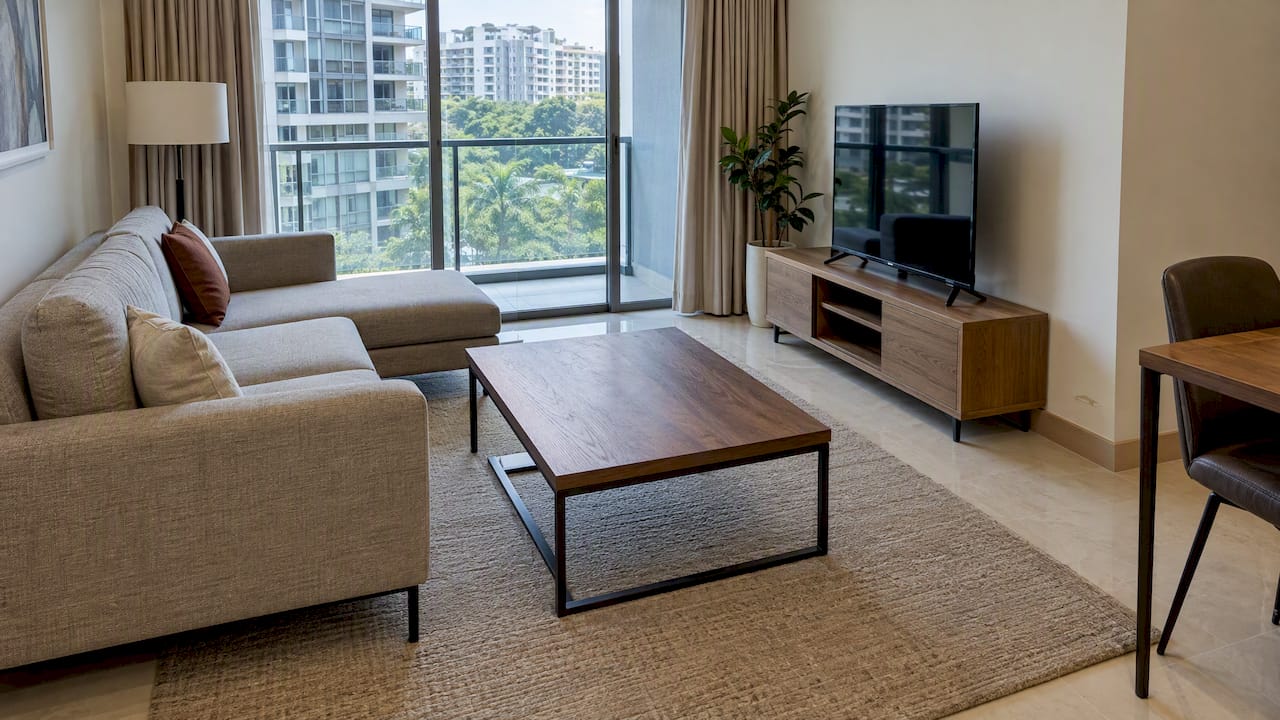
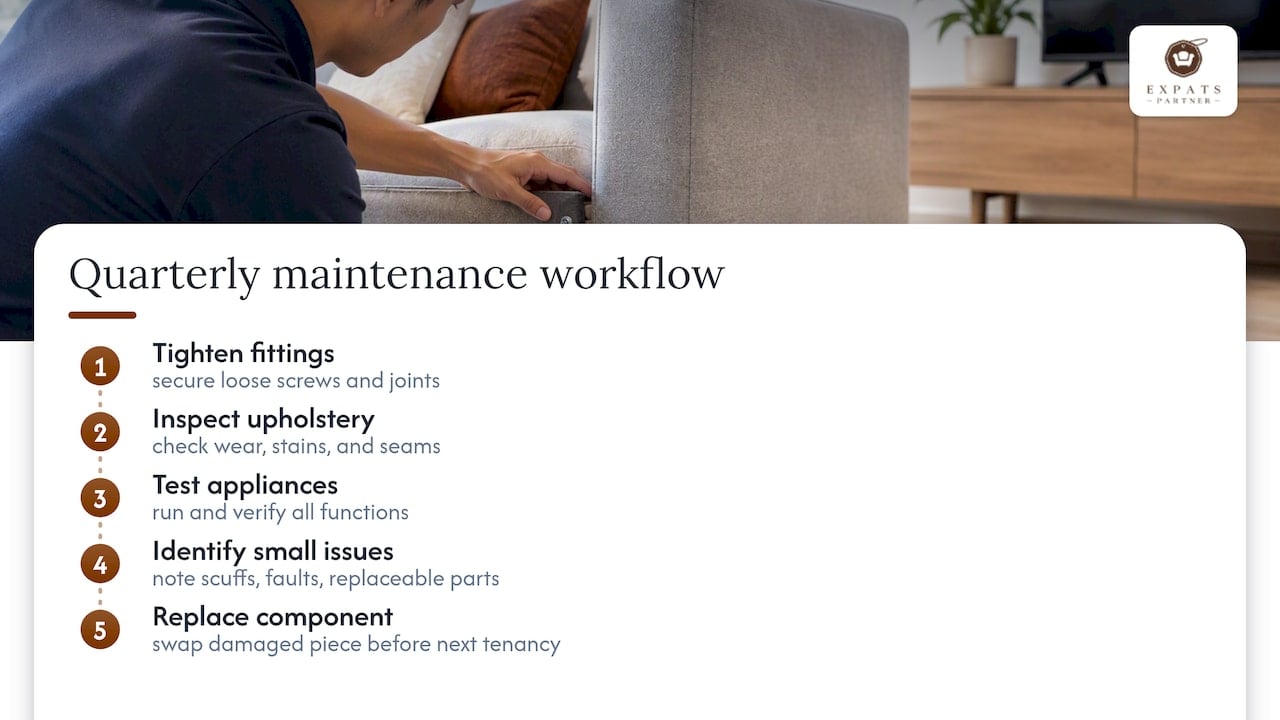
Favour modular, easily replaceable pieces over bespoke built-ins so a single damaged component can be swapped without reordering a whole set. A simple quarterly maintenance check, tightening fittings, inspecting upholstery, testing appliances, catches small issues before they become costly repairs between tenancies.
Singapore housing rules and employer responsibilities
Housing type affects what a company can lawfully arrange for an employee. HDB flats carry occupancy and registration rules that differ for whole-unit rental versus room rental, and eligibility depends on the pass type held by the occupant. Private residential property and purpose-built dormitories carry their own categories and conditions. Employers should check current guidance from the Ministry of Manpower before assigning a unit, since rules on registration and tenancy records vary by housing category and pass type.
Employers also carry due-diligence obligations: keeping tenancy records on file and registering tenants where a category requires it. On privacy, any recording device installed in a unit should be disclosed to occupants before move-in, in line with general guidance on tenant privacy.
Budgeting for furnished corporate housing packages
Furnished package pricing is typically structured as a monthly rental fee, sometimes with a security deposit and a minimum rental term attached. Beyond the headline monthly figure, confirm packaging disposal charges, lift booking fees and any after-hours delivery surcharge, since these are the costs most often missing from an initial estimate.
Rental tends to work out more cost-effective than purchasing outright for assignments under one to two years, once storage, disposal and depreciation on owned furniture are factored in. For longer-term placements, compare the total rental cost against purchase price plus eventual resale or disposal before deciding.
Ready-to-live pack: pre-arrival and arrival checklist
A genuinely move-in ready unit means the employee should not need to call anyone on their first evening. Confirm the essentials before the keys are handed over, then repeat a short check on arrival day.
- Utilities connected and Wi-Fi tested with a working password left in the unit.
- Linens made up on every bed and a basic pantry stocked.
- Air-conditioning and appliances tested and running.
- A printed contact sheet for property management, facilities and IT support.
- A short check-in call or message within 24 hours to capture any issues.
Record feedback from this first contact in a shared log so recurring problems, a slow internet provider or a noisy appliance, get flagged before the next placement in the same building.
How Expats Partner helps you furnish faster
Self-procurement works when you have months to compare suppliers and manage delivery logistics yourself. When a placement date is fixed and there is no room for delay, a rental partner removes that pressure. Short and long-term furniture rental, full-home packages and coordinated delivery and collection services can furnish a unit and make it handover-ready without chasing separate quotes for beds, sofas and appliances.
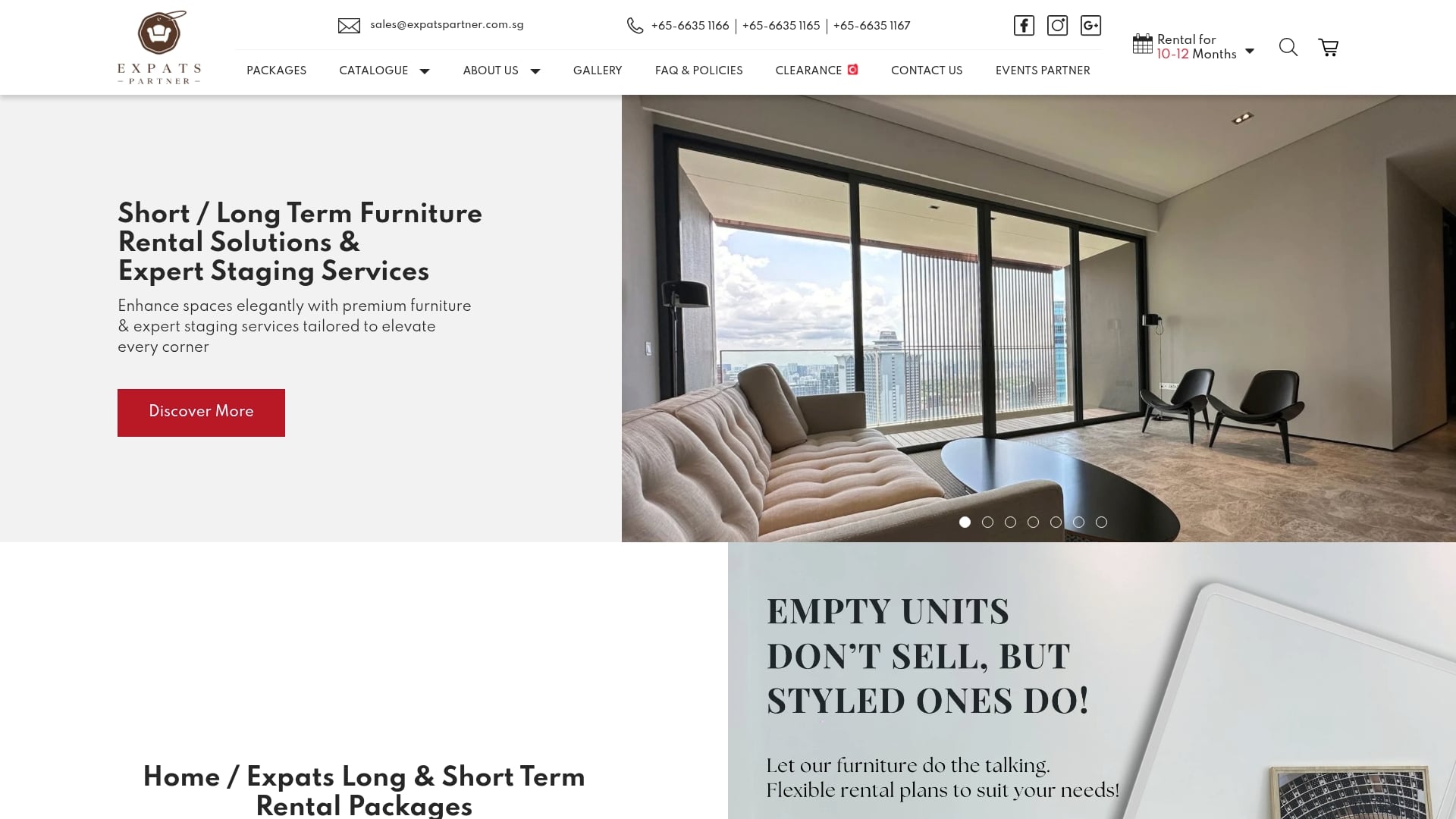
- Full-home packages such as the Family – 2 Bedroom Apartment, at 718 SGD per month, scaled for the unit.
- Coordinated delivery, assembly and collection, so disposal is not left to the coordinator.
- Flexible rental periods suited to assignments of a few months or several years.
Browse current corporate housing furniture rental options or get in touch to discuss a package for your next placement.
FAQ
What should be included in a fully furnished corporate unit?
A fully furnished unit should include core furniture for every room, white goods such as a refrigerator and washing machine, working air-conditioning, linens and a tested Wi-Fi connection. Since “furnished” has no fixed legal definition in Singapore, always confirm inclusions in writing before move-in.
How do I create a move-in inventory for a corporate rental?
Record every item by room with its brand, model and serial number where visible, along with quantity and condition, then back this up with dated photographs and a short video walkthrough. Share signed copies with the landlord and the incoming tenant so both sides hold the same evidence.
Can a company rent an HDB flat for an employee?
Whether a company can rent an HDB flat, and whether it can be a whole unit or rooms only, depends on the occupant’s pass type and current Ministry of Manpower housing guidance. Employers should check official guidance for the relevant housing category before confirming any placement.
Is renting furniture cheaper than buying for a short assignment?
For assignments under one to two years, renting is typically more cost-effective once storage, disposal and depreciation on purchased furniture are accounted for. Longer placements call for a direct comparison between total rental cost and the purchase price plus eventual resale value.
What is typically included in a furniture rental package price?
Rental package pricing usually covers the monthly fee for the furniture selected, with a security deposit and minimum rental term as separate terms. Costs such as packaging disposal, lift access fees or after-hours delivery are often charged separately, so confirm these before signing.