
Yes, you can extend a furniture rental, and most Singapore providers make it straightforward. The usual routes are a month-to-month renewal, a new fixed-term agreement, a rent-to-own conversion, or a swap of items mid-lease. Before you contact anyone, pull up your contract end date and your current inventory list. Some providers handle these extensions directly for expats, landlords and corporate clients, so support may be available if your situation needs more than a simple renewal.
TL;DR:
- Longer fixed-term renewals typically offer lower monthly rates, while month-to-month extensions usually keep the current payment level.
- Swaps of specific furniture pieces are commonly available during extensions, allowing customization without renewing the entire package.
- Collecting documentation and confirming details in writing are key steps to avoid disputes when requesting or finalizing a lease extension.
- Rent-to-own may become more economical the longer you rent, as past payments can sometimes be credited toward ownership costs.
Table of Contents
- Extend furniture rental: what your options actually mean
- When should you request a furniture rental extension?
- What does it cost to extend a furniture rental?
- How do you request a furniture rental extension?
- Return, renew, swap or buy: which end-of-lease option fits?
- How a full-service provider manages your extension
- Ready to extend or adjust your rental?
- Further reading
- FAQ
Extend furniture rental: what your options actually mean
Not every extension works the same way, and picking the wrong one costs you money or flexibility you didn’t need to give up.
A month-to-month extension gives you the most freedom. You keep the same furniture, roll the term forward one month at a time, and can end it with short notice. The trade-off is price: providers rarely apply long-term discounts to open-ended arrangements, since they need to keep that inventory available for reassignment at short notice.
A fixed-term renewal locks you into a new period, typically another 6 or 12 months, in exchange for a lower monthly rate. Leasing terms typically range from short to longer periods, and providers often reward longer commitments with better pricing, then allow you to drop into month-to-month once that fixed term ends.
Rent-to-own works differently again. A portion of what you’ve already paid may be credited towards a buy-over price, making ownership more economical the longer you’ve rented. Ask for the exact credit figure before assuming a discount applies.
Swaps let you change specific pieces during an extension rather than renewing the whole package. Common uses include:
- Replacing a sofa or bed as your needs change
- Adding a desk and chair for a work-from-home setup
- Swapping seasonal or aesthetic items during a longer stay
Growing demand for flexible furnishing since 2020 has pushed more providers to offer these swap and rent-to-own options as standard rather than exceptions.
When should you request a furniture rental extension?
Timing determines whether your extension goes smoothly or turns into a scramble for available stock.
- Check your provider’s notice window first. Most require a notice period before your current term ends, largely because delivery and collection schedules need to be planned around other customers’ move dates.
- Factor in inventory availability. If you want to add or swap pieces as part of your extension, your provider needs lead time to source or reallocate stock, particularly during peak relocation months.
- If you’ve missed the window, act immediately. Request an emergency quote, ask about a short interim month-to-month arrangement, or clarify whether a short-term renewal can bridge the gap while a longer agreement is arranged.
Clear notice periods and transparent invoicing tend to be what customers care about most when they extend or renew, more than the headline monthly rate itself.
What does it cost to extend a furniture rental?
Extending is rarely free of new charges, even when the furniture itself doesn’t change.
Monthly rates commonly drop when you commit to a longer fixed term, while a simple month-to-month rollover usually keeps you at your existing rate or close to it. Beyond the base rent, watch for:
- An administration fee for processing the extension paperwork
- Delivery or pickup charges if items are being swapped or added
- A pro-rata charge for a partial final month if your new term doesn’t align neatly with billing cycles
- Damage or cleaning fees assessed if items show wear beyond normal use
Swaps are more common than you might expect. In one reported case, a meaningful share of customers used a swap feature when their rental platform offered it, suggesting that many renters actively adjust their furniture mid-lease rather than sticking with the original selection.
If you’re weighing rent-to-own, remember that the credited value of past payments affects your total cost. A longer rental history generally makes a buy-over more attractive, but the math only works in your favour if you actually intended to keep the furniture long-term. For a fuller breakdown of how lease lengths and packages compare, see Singapore furniture rental lease options for expats.
How do you request a furniture rental extension?
A clean extension request usually takes one phone call or email, provided you’ve got the right details ready.
- Gather your documentation. You’ll need your contract or lease number, a current list of rented items, and your most recent invoice.
- Decide your preferred new term. Have specific dates in mind, whether that’s another 6 months, an open month-to-month arrangement, or a swap of particular pieces.
- Contact your provider directly, ideally through the same channel used for your original booking, and state your request clearly along with your account details.
- Get written confirmation. This should cover the new term length, the updated monthly rate, the revised pickup or delivery schedule, and any fees involved.
- Review before you sign off. Check that everything matches what was discussed, particularly the rate and dates.
The same broad stages apply here as they do for a fresh rental: selection or confirmation of items, approval, then scheduling around delivery and collection.
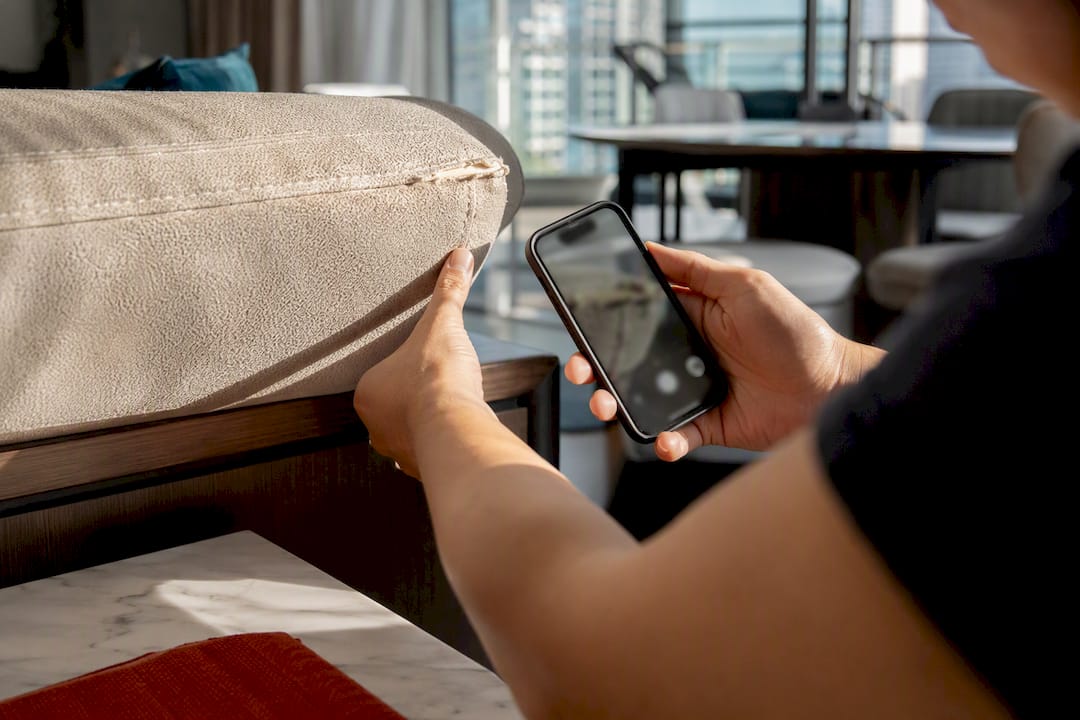
Pro Tip: Photograph every piece of furniture before your extended term begins, especially anything showing existing wear. This protects you from disputed damage charges when the extension eventually ends and items go back into circulation.

For a step-by-step view of the wider process, from initial booking through to move-in, this move-in timeline for expats covers the same logistics your extension will follow.
Return, renew, swap or buy: which end-of-lease option fits?
Once your extension question turns into an end-of-lease decision, the four options carry different trade-offs worth weighing properly.
- Return makes sense if you’re leaving Singapore or no longer need the furniture, but check whether pickup fees apply and factor in the cost of re-furnishing later if your plans change.
- Renew is the path of least resistance. It usually comes with a discount for committing longer, though it does lock you into another fixed period.
- Swap suits anyone whose needs have shifted, such as converting a spare room into a home office, without restarting the entire rental relationship.
- Buy-over converts you from renter to owner. At lease end you can typically buy the furniture at a reduced price, with previous rental payments sometimes factored into that figure.
How a full-service provider manages your extension
A managed extension involves more coordination than most renters expect, particularly once delivery schedules, package changes and invoicing all need to line up.
Some providers offer short-term and long-term furniture rental with coordinated delivery, setup and collection, alongside tailored packages built for expats, landlords and corporate clients. When you extend, that typically means:
- Scheduling collection of outgoing items and delivery of replacements around your calendar, not the warehouse’s
- Adjusting your package composition without forcing you into an entirely new agreement
- Keeping invoicing clear, so the new rate, fees and term are documented in one place
Expat and corporate relocation experience matters here because the paperwork, timing and inventory reallocation involved in a mid-lease change differ from a first-time booking. Providers managing several corporate accounts often keep a small reserve of stock specifically for short-notice extensions, precisely so a delayed lease decision doesn’t turn into a supply problem for the customer.
Ready to extend or adjust your rental?
Extending a lease shouldn’t mean starting your search from scratch, chasing multiple quotes, or negotiating pickup dates with a warehouse that barely knows your account. Providers familiar with your inventory details and delivery history can make adjusting a term, swapping a sofa for a desk setup, or converting to rent-to-own considerably faster than arranging a new rental elsewhere.
Whether you need another six months, a short interim renewal, or a full package change for a new work-from-home setup, the process runs through one point of contact rather than several. Browse current home furniture rental options or get in touch directly to request a quote for your extension, and confirm your new term, rates and delivery schedule before your current agreement runs out.
Further reading
For background on how furniture leasing structures work more broadly, and how a licensed property agent might factor furnished status into a rental decision, see this part-time property agent guide.
FAQ
Can you always extend a furniture rental?
Most providers allow extensions if you request one before your current term ends, though availability of specific items can vary depending on demand and inventory levels at the time.
How much notice do I need to give to extend?
Typical notice windows vary, since providers need that time to plan delivery, collection and inventory reallocation around your new dates.
Does extending a rental cost more each month?
Not necessarily. Longer fixed-term renewals often come with a lower monthly rate, while month-to-month extensions usually keep your existing rate but skip the discount.
Can I swap items instead of renewing the whole package?
Yes, swapping specific pieces mid-lease is common, and providers like Expats Partner can coordinate a swap alongside your extension rather than requiring a completely new agreement.
What happens if I miss the notice deadline?
Contact your provider immediately to request an interim month-to-month arrangement or a short-term renewal while a longer-term extension is arranged, rather than letting the lease lapse.
Is buying the furniture cheaper than continuing to rent?
It depends on how long you’ve already rented. Rent-to-own arrangements often credit part of your prior payments towards the buy-over price, so a longer rental history can make ownership more cost-effective.