
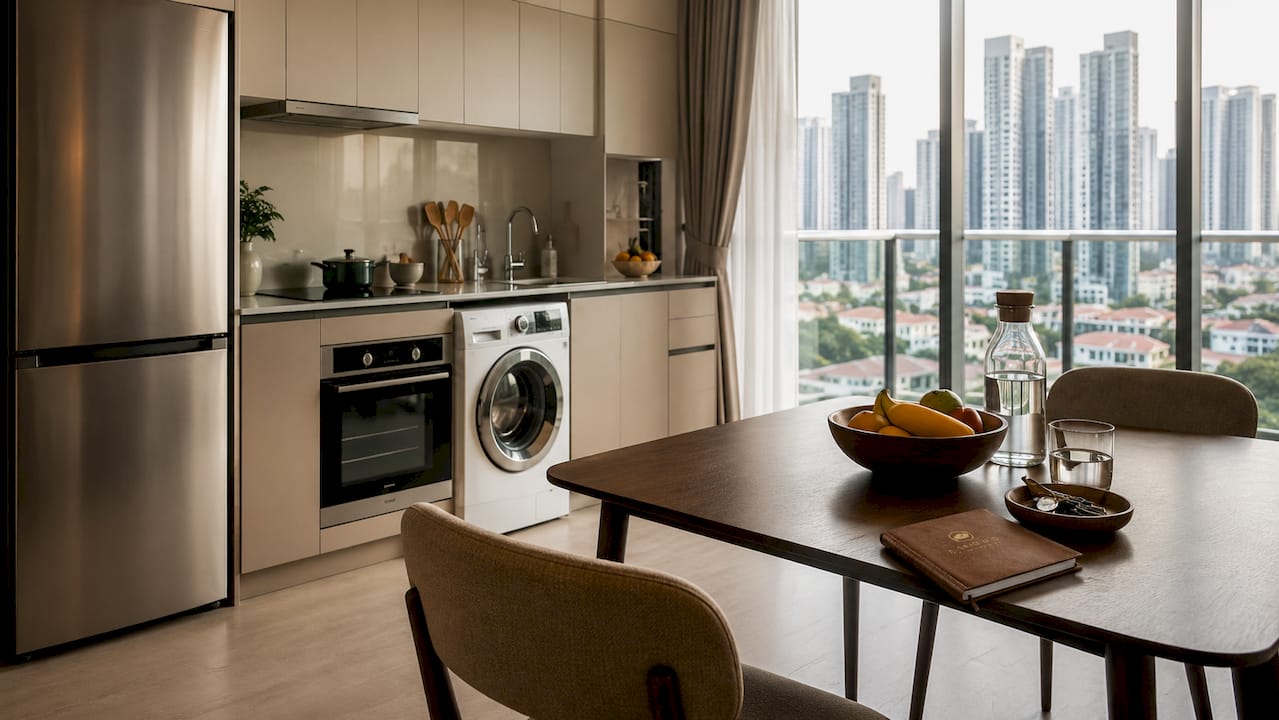
Appliances are a direct driver of rental desirability, influencing whether a tenant signs a lease, renews it, or walks away. The role of appliances in rental desirability is well established: 60% of prospective tenants prioritise new or modern appliances when selecting a rental home, and appliance-related issues account for 22% of all maintenance requests annually. For landlords, property agents, and investors in Singapore’s competitive residential market, understanding how appliances affect tenant decisions is not optional. It is a core part of managing rental income and reducing turnover.
What appliance features do tenants prioritise when choosing rentals?
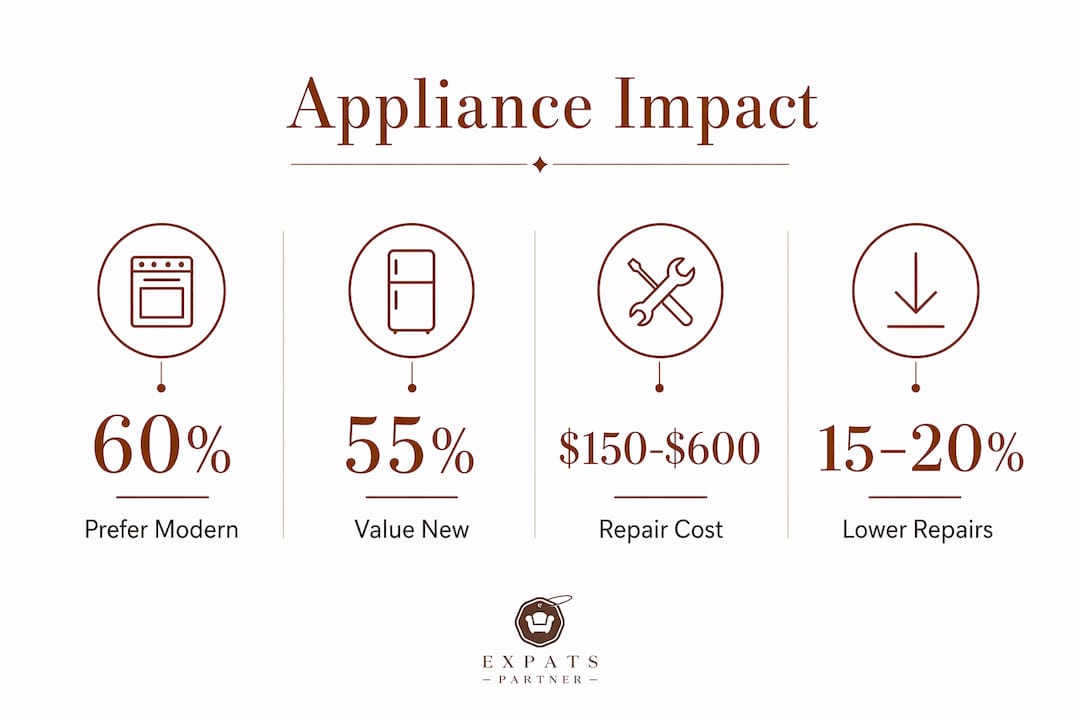
Tenant preferences are clear and consistent. 60% of prospective tenants prioritise new or modern appliances, and 55% value functionality above brand name or visual appeal. That finding matters because it tells landlords exactly where to spend. A well-functioning mid-range refrigerator outperforms a prestigious brand with a patchy service record.
Only 26% of tenants cite energy efficiency among their top priorities. That does not mean energy efficiency is irrelevant. It means tenants expect appliances to work reliably first, and to be efficient second. Landlords who invest in premium energy ratings but neglect basic functionality are misreading what tenants actually want.
The key features tenants look for include:
- Working condition. Appliances that function without fault from day one set the tone for the entire tenancy.
- Modern appearance. Dated appliances signal neglect, even when they technically still work.
- Appropriate size and fit. An oversized washing machine in a compact condo bathroom creates daily friction.
- Ease of use. Tenants prefer straightforward controls over complex digital interfaces that require a manual.
- Reliability over time. Core in-unit amenities like working appliances are non-negotiable for renters and directly reduce early lease terminations.
Landlords who list their properties as fully equipped with major appliances attract first-time renters and relocating professionals more effectively than those who do not. This is particularly relevant in Singapore, where expat tenants and corporate relocatees often arrive without any household goods and need a home that is ready from the first night.
Pro Tip: When furnishing a rental unit, prioritise a complete appliance set over individual premium upgrades. A full set of reliable, modern appliances converts viewings into signed leases faster than one high-end item surrounded by ageing equipment.
How do appliances affect landlord maintenance costs and tenant satisfaction?
Appliance maintenance is one of the most underestimated cost centres in residential property management. Appliance-related issues account for 22% of all annual work orders, making them the single largest category of tenant complaints. Emergency repair costs range between $150 and $600 per incident. Those figures add up quickly across a portfolio.

The financial case for proactive management is strong. Landlords spend 15–20% less on repairs when they track appliance age and plan replacements in advance rather than reacting to breakdowns. Reactive repairs also carry a hidden cost: tenant dissatisfaction. Frequent minor appliance repairs create more tenant dissatisfaction than a single planned replacement, eroding trust and increasing the likelihood of non-renewal.
The table below summarises the typical financial impact of appliance decisions:
| Scenario | Estimated cost | Tenant impact |
|---|---|---|
| Emergency repair per incident | $150–$600 | Disruption, frustration |
| Proactive replacement (planned) | Varies by appliance | Minimal disruption |
| Repeated repairs on ageing unit | Cumulative, often exceeds replacement | High churn risk |
| Proactive maintenance tracking | 15–20% lower repair spend | Improved satisfaction |
The Age-Adjusted 50% Rule provides a clear framework for repair versus replacement decisions. Replace an appliance if the repair cost exceeds 50% of the replacement cost and the unit has already passed 60% of its expected useful life. Applying this rule consistently prevents landlords from throwing money at appliances that will fail again within months.
Pro Tip: Keep a simple appliance log for each unit. Record the purchase date, model, and any repair history. This single habit gives you the data to apply the Age-Adjusted 50% Rule accurately and avoid costly guesswork at the point of breakdown.
What is the significance of energy efficiency in rental appliances?
Energy efficiency has moved from a selling point to a baseline expectation in Singapore’s rental market. Upgrading to Energy Star-rated appliances can reduce electricity consumption by 15–40%. That reduction translates directly into lower utility bills for tenants, which adds perceived value to the rental without requiring a rent reduction.
The benefits of energy-efficient appliances for landlords include:
- Lower tenant utility costs. Tenants in Singapore pay their own electricity bills in most private rental arrangements. Efficient appliances reduce that burden and increase satisfaction.
- Justification for marginal rent increases. Upgraded appliances lead to lower tenant utility costs, adding perceived value that supports modest rent adjustments at lease renewal.
- Attraction of quality tenants. Environmentally conscious professionals, particularly those on corporate relocation packages, actively seek energy-efficient homes.
- Reduced regulatory risk. Singapore’s National Environment Agency continues to tighten minimum energy performance standards for household appliances. Staying ahead of these requirements avoids forced replacements at inconvenient times.
- Longer appliance lifespan. Energy-efficient models are typically built to higher manufacturing standards, which correlates with fewer breakdowns and lower maintenance frequency.
Landlords must manage any rent adjustments transparently. Communicating the efficiency benefits clearly to tenants, and documenting them in the lease, builds goodwill and reduces resistance to pricing changes. Tenants who understand that a new appliance will cut their monthly electricity bill by a meaningful amount are far more receptive to a modest rent increase than those who receive no explanation at all.
How to select and maintain appliances to maximise rental appeal and ROI
Selecting the right appliances is a financial decision as much as an aesthetic one. The most common mistake landlords make is overspecifying kitchens by investing in high-end or boutique appliances that tenants neither need nor value proportionally. Kitchen layout and storage often contribute more perceived value than premium appliance brands. Practical, adaptable, and modern appliances consistently outperform luxury upgrades in rental settings.
A structured approach to appliance selection and maintenance produces the best results:
-
Build a practical baseline package. Prioritise a refrigerator, washing machine, air-conditioning units, a cooker hob, and a range hood as the minimum set for Singapore condos and apartments. These are the appliances tenants use daily and judge most critically.
-
Choose mid-range, widely serviced brands. Select brands with strong local service networks in Singapore. Spare parts availability and technician familiarity reduce repair time and cost significantly.
-
Maintain a centralised appliance record. Log the purchase date, model number, warranty expiry, and repair history for every appliance in every unit. This record supports data-driven decisions and simplifies handovers between tenants.
-
Set aside a capital reserve. Budget a fixed amount per unit per year for appliance replacement. This prevents large, unplanned expenditure and keeps the property competitive without financial stress.
-
Apply the Age-Adjusted 50% Rule consistently. When an appliance requires repair, check its age and the repair cost against the replacement cost before authorising work. Replace rather than repair when the rule indicates it is more cost-effective to do so.
-
Replace appliances that cause repeated tenant disruption. Repeated appliance breakdowns disrupt tenants and increase turnover risks, outweighing any short-term savings from continued repairs. A tenant who loses confidence in a landlord’s responsiveness will not renew.
The importance of kitchen appliances in particular should not be underestimated. The kitchen is the room tenants assess most carefully during viewings. A clean, modern, fully functioning kitchen with good storage creates a strong first impression that carries through the entire viewing.
Key takeaways
Functional, modern appliances are the single most cost-effective investment a landlord can make to improve tenant retention and reduce turnover costs.
| Point | Details |
|---|---|
| Tenant priorities are clear | 60% of tenants prioritise modern appliances; 55% value functionality above brand or appearance. |
| Maintenance costs are significant | Appliance issues account for 22% of work orders; emergency repairs cost $150–$600 per incident. |
| Use the Age-Adjusted 50% Rule | Replace an appliance when repair costs exceed 50% of replacement cost and it has passed 60% of its useful life. |
| Energy efficiency adds perceived value | Energy Star-rated appliances cut electricity use by 15–40%, supporting tenant satisfaction and modest rent adjustments. |
| Practical beats premium | Mid-range, well-maintained appliances outperform luxury upgrades in tenant satisfaction and rental ROI. |
What we have learned from furnishing rental homes in Singapore
Working with landlords and property agents across Singapore’s condo and apartment market, one pattern stands out consistently. Landlords who spend the most on individual appliances do not always achieve the best tenant outcomes. The landlords who retain tenants longest are those who maintain a complete, reliable set of appliances and replace items promptly when they fail.
The expat rental market in Singapore reinforces this clearly. Relocating professionals and corporate tenants arrive with high expectations for convenience. They are not impressed by a single premium appliance if the washing machine is ten years old and the air-conditioning unit rattles. They want everything to work, from the first day, without having to raise a maintenance request in week one.
The other observation worth sharing is that appliance strategy and furniture rental for landlords work best when planned together. A well-furnished unit with ageing appliances still feels incomplete. A unit with modern appliances but mismatched or worn furniture loses the same quality signal. The two elements reinforce each other, and landlords who address both simultaneously see faster leasing and stronger tenant retention.
The practical advice is straightforward. Do not wait for an appliance to fail before replacing it. Do not over-invest in brands that tenants cannot distinguish from mid-range alternatives. And do not underestimate how much a clean, modern, fully equipped home does for a tenant’s decision to sign and to stay.
— Expats Partner
Furnishing your rental property with Expats Partner
Appliances create the functional foundation of a rental home. Furniture completes it. Landlords preparing a unit for the Singapore rental market, particularly for expat tenants and corporate relocatees, benefit from addressing both together.
Expats Partner provides furniture rental packages for landlords across Singapore, covering condos, apartments, and landed homes. Our packages are designed to complement appliance-equipped units, giving tenants a fully move-in ready home from day one. For expat tenants on short assignments, our short-term furniture rental options offer flexible terms without the commitment of purchasing. Speak to our team to find the right package for your property and your tenants.
FAQ
What appliances do tenants prioritise most in rental homes?
Tenants prioritise functionality and modernity above brand or energy ratings. A refrigerator, washing machine, air-conditioning units, and a working kitchen hob are the baseline expectations in Singapore’s private rental market.
How much do appliance repairs cost landlords per incident?
Emergency appliance repair costs range between $150 and $600 per incident. Proactive maintenance tracking and planned replacements reduce overall repair spend by 15–20%.
What is the Age-Adjusted 50% Rule for appliances?
The Age-Adjusted 50% Rule advises replacing an appliance when the repair cost exceeds 50% of the replacement cost and the appliance has already passed 60% of its expected useful life.
Do energy-efficient appliances improve rental desirability?
Energy Star-rated appliances reduce electricity consumption by 15–40%, lowering tenant utility bills and adding perceived value. This supports tenant satisfaction and can justify modest rent increases at renewal.
Should landlords invest in premium appliance brands for rental properties?
Overspecifying with premium brands rarely yields proportional rent increases. Practical, mid-range appliances that are well-maintained and widely serviced consistently deliver better rental ROI than luxury alternatives.
Recommended
- Stylish and Functional: Furniture Rental Solutions for Singapore’s Co-Living Spaces – Expats Partner
- What is included in a furnished rental: a complete guide
- Singapore Furniture Rental: Best Rental for Developer & Event – Expats Partner
- Singapore Furniture Rental: Rent, Lease Options for Expats – Expats Partner