
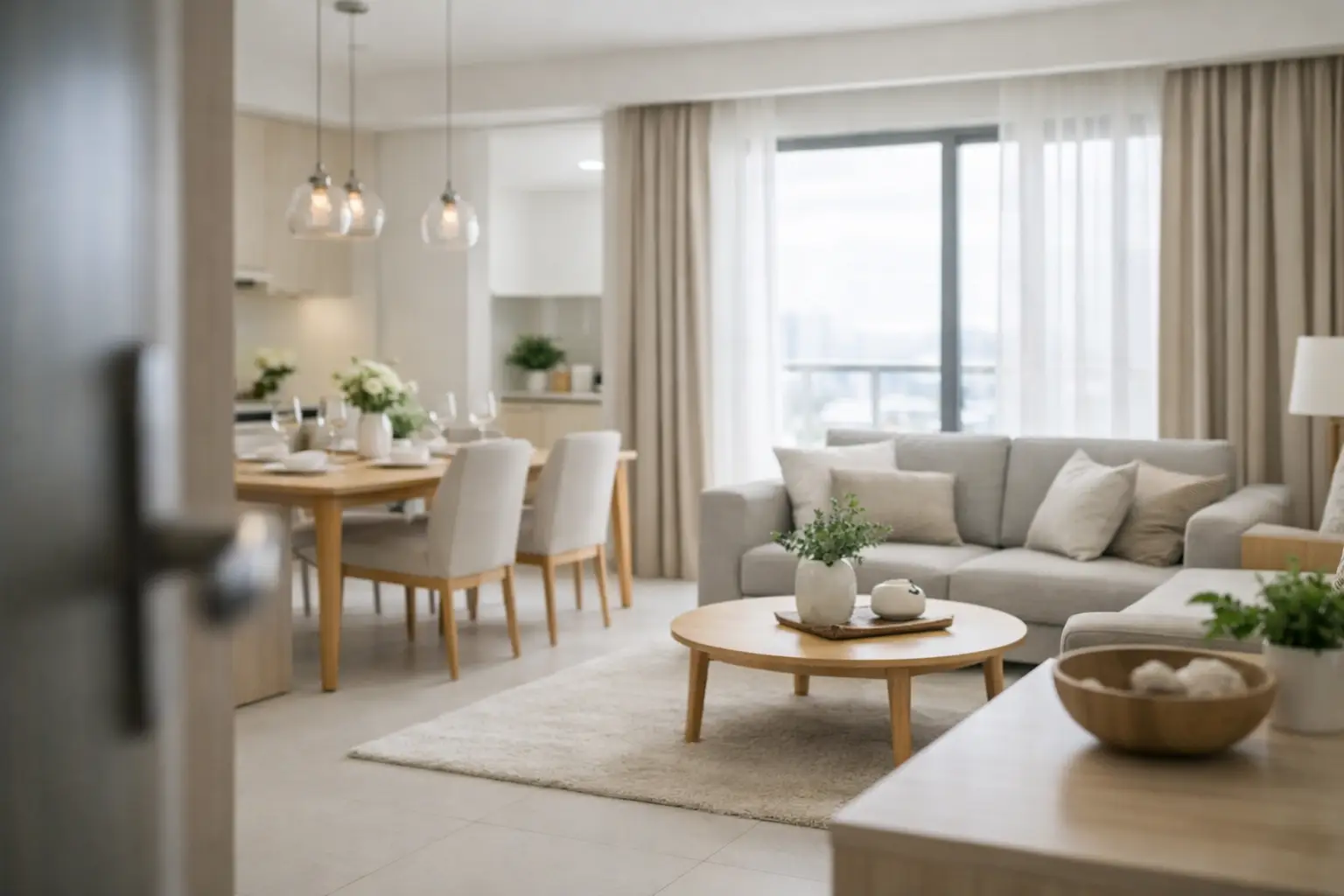
The first ten seconds of a viewing usually do more work than the next twenty minutes. Buyers and tenants decide quickly whether a home feels right, and once that impression forms, every room is judged through it. That is why knowing how to style homes for viewings matters. Good styling does not simply make a property look nicer. It helps people understand the space, imagine how they would live in it, and feel more confident about the asking price or rental value.
For agents, landlords and homeowners, the aim is not to decorate for personal taste. It is to remove friction from the viewing experience. A well-styled home feels clear, calm and ready. It photographs better online, reads better in person and gives viewers fewer reasons to hesitate.
How to style homes for viewings with the right mindset
The most common mistake is treating styling as a finishing touch. In practice, it is part of the sales or leasing strategy. A viewing is not just an opportunity to show square footage. It is a moment to shape perception.
That means styling decisions should be based on what helps a space make sense quickly. If a room feels too empty, viewers may underestimate its potential or assume it is smaller than it is. If it feels overcrowded, they notice the furniture before they notice the layout. The right balance depends on the property, the audience and the likely use of the home.
A compact city flat, for example, often benefits from lighter furnishings and a cleaner layout that shows movement through the space. A larger family home may need more visual warmth so it does not feel cold or impractical. In both cases, the goal is similar – help viewers understand how each room works.
Start with what viewers notice first
Before cushions, artwork or dining settings, focus on the basics that shape first impressions. Light, cleanliness, smell and layout always come before styling details.
Natural light should be allowed to do as much work as possible. Open curtains fully, clean windows and avoid blocking light sources with bulky furniture. If the property relies more on artificial lighting, make sure bulbs are working and that the colour temperature feels consistent from room to room. Mixed lighting can make a home feel disjointed.
Cleanliness also has to be non-negotiable. Viewers notice dust on skirting boards, marks on walls and water stains in bathrooms faster than most owners expect. A styled room cannot compensate for signs of neglect. If minor repairs are needed, such as chipped paint, loose handles or silicone that has seen better days, deal with them before the viewing period begins.
Then consider scent. The best result is usually a home that smells simply fresh and neutral. Heavy fragrances can feel like they are masking something. Good ventilation and a clean interior tend to be enough.
Give every room a clear purpose
When buyers walk through a property, uncertainty weakens interest. If they are asking themselves what a room is for, they are no longer imagining themselves living there. They are trying to solve a problem.
This is where styling earns its keep. A spare room should not be left as an awkward empty box unless the size speaks strongly for itself. It can be styled as a simple guest room, home office or nursery, depending on the likely buyer profile. The point is not to be prescriptive. It is to make the space legible.
The same applies to living and dining areas. Open-plan homes often benefit from furniture that defines zones without making them feel chopped up. A rug can help anchor a sitting area. A dining table of the right scale can show that entertaining is possible without making circulation feel tight. Even a modest layout can feel more usable when viewers can read it at a glance.
Use less furniture, but better furniture
One of the quieter truths about viewings is that empty does not always feel spacious. Empty rooms can feel smaller, colder and harder to judge. Yet over-furnished rooms feel restrictive. Styling works best when each item has a job.
Choose furniture that suits the scale of the room. This sounds obvious, but it is one of the main reasons viewings underperform. An oversized sofa in a compact lounge makes the whole property feel tighter. A bed that is too small for the main bedroom can make the room feel underwhelming. The proportions need to support the architecture, not fight it.
Neutral, contemporary pieces tend to work well because they broaden appeal. That does not mean every property should look identical. It means bold personal taste should not dominate the viewing experience. Most viewers need enough character to feel warmth, but enough neutrality to project their own life onto the space.
This is also why flexible furniture rental is so useful in staging. It allows a property to be furnished to the right standard and scale without the delay, cost and commitment of buying everything outright. For vacant homes in particular, that can make the difference between a flat listing and one that immediately feels market-ready.
Style for photographs and for real movement
A property is usually seen online before it is seen in person, so styling has to work in both formats. What looks balanced in photos must also feel comfortable when someone walks through the space.
This can create trade-offs. A room arranged purely for photography may look polished in a wide-angle shot but feel awkward during a physical viewing. Chairs might be too close together, pathways too narrow or decorative pieces too fragile for a lived-in feel. The better approach is to style for usability first, then refine for the camera.
Keep surfaces mostly clear, but not bare. A coffee table might need one or two objects rather than a crowded display. Kitchen counters should suggest cleanliness and function, not storage pressure. Bathrooms benefit from hotel-like simplicity – fresh towels, clean lines and very little visual noise.
How to style homes for viewings by buyer type
Not every listing should be styled in exactly the same way. A one-bedroom investment property, a landed family home and a short-term corporate rental all need different emphasis.
If the likely viewer is an investor or landlord, styling should support easy lettability and low-friction upkeep. Clean, durable, neutral furnishings help the property feel commercially sensible. If the home is aimed at owner-occupiers, warmth matters more. They still want neutrality, but they also want to sense comfort and routine.
For expats and relocation clients, move-in readiness can be especially persuasive. A home that feels functional from day one reduces mental effort. Viewers are not just assessing style. They are thinking about timing, convenience and how quickly life can begin in the space.
In Singapore, where many viewers see multiple units in a short timeframe, that clarity can be a real advantage. The homes that stand out are often not the most lavish. They are the ones that feel easiest to say yes to.
Small details that influence perceived value
Perceived value often comes from restraint. Styling should support quality, not perform it too loudly.
Textiles help. Cushions, rugs and bedding soften a room and make it feel considered, but they should not introduce busy patterns that compete with the property itself. Art can lift blank walls, though it is best kept simple and broadly appealing. Mirrors are useful where they enhance light or visual depth, but they should not be used as a trick in every room.
Plants can add life, provided they look intentional and well kept. One healthy plant in the right place is more effective than several that feel scattered. Dining settings, books and accessories should also be used lightly. Viewers should notice the room first, then the styling.
The same principle applies outside. Entryways, balconies and patios often carry more weight than expected because they frame the start or end of the visit. A swept entrance, tidy greenery and a simple outdoor arrangement can make the whole home feel better maintained.
When styling is worth professional help
Some properties can be improved with a careful reset by the owner or agent. Others need a more structured approach. Vacant homes, awkward layouts, premium listings and properties that have been sitting on the market usually benefit most from professional staging support.
The reason is partly visual, but mostly practical. Styling at viewing standard requires speed, suitable inventory, delivery coordination and a clear sense of what will read well to the target audience. A service-led staging approach helps remove guesswork and gets the property into presentable condition faster.
For businesses and homeowners who need that kind of support, Expats Partner provides home staging and flexible furniture rental designed to make listings feel ready, liveable and easier to market. The value is not just in how a room looks on the day. It is in creating a viewing experience that supports stronger interest and quicker decisions.
A well-styled home gives people fewer reasons to pause and more reasons to picture themselves moving forward.
Contact us now at: Kevin Chang – 80119753 sales@expatspartner.com.sg Sales Specialist