
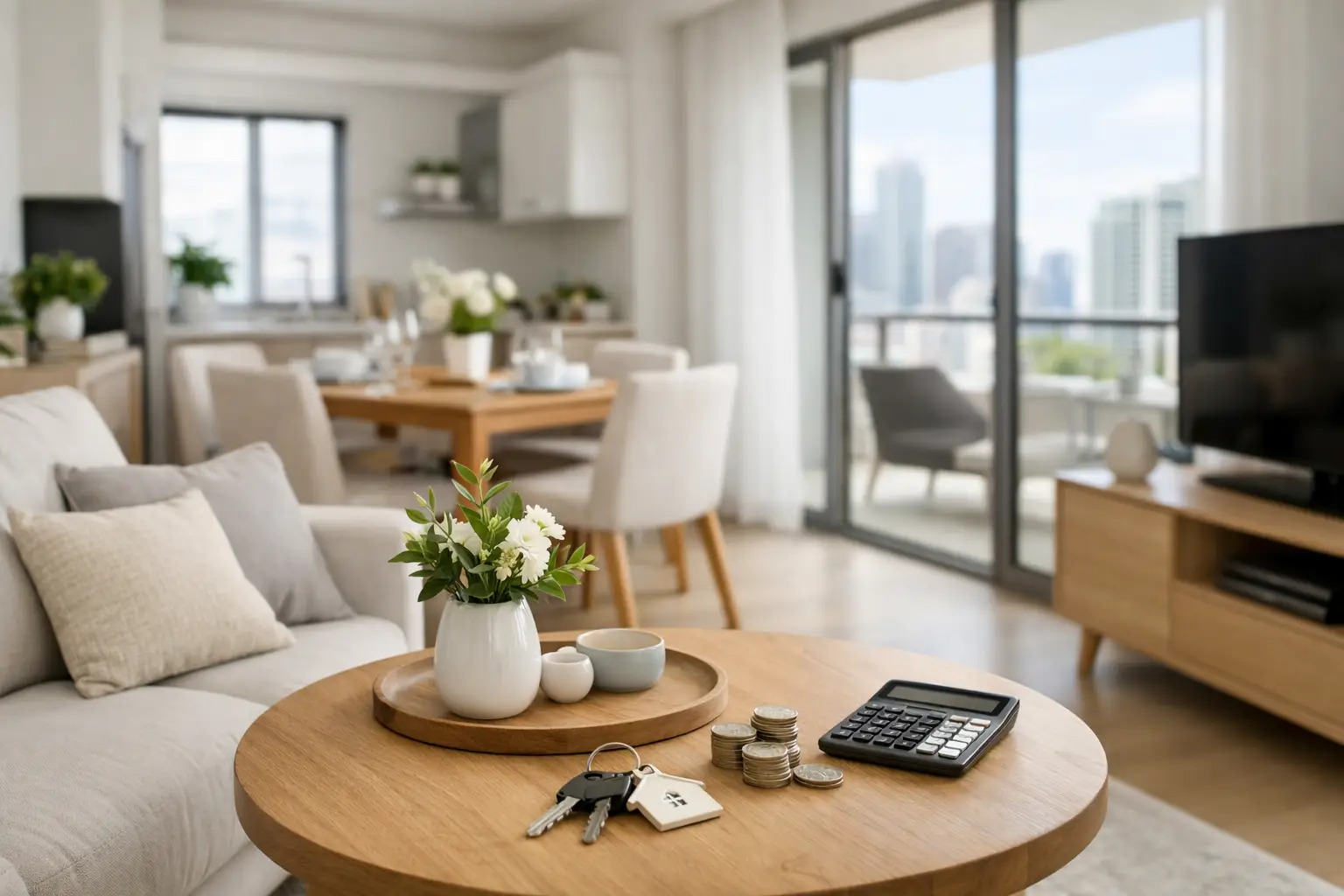
A rental listing can lose momentum in the first few seconds. Prospective tenants scroll quickly, compare relentlessly and make assumptions based on what they see. That is why staging for rental yield matters. It is not about making a property look expensive for the sake of it. It is about helping the right tenant picture an easier, more desirable move-in decision.
For landlords and agents, the commercial question is straightforward. Does better presentation lead to stronger enquiry, faster take-up and more confident rental offers? In many cases, yes. But the real value comes from knowing what kind of staging supports yield, and what simply adds cost without improving results.
What staging for rental yield actually means
Staging for rental yield is the process of preparing a property so it performs better in the rental market. That performance can show up in several ways – shorter vacancy periods, stronger perceived value, better tenant quality and fewer objections during viewings.
The key point is that rental staging is not the same as styling a showpiece home for a magazine shoot. A rental property still needs to feel aspirational, but it also needs to feel practical. Tenants are assessing layout, comfort, storage, liveability and whether the home feels worth the monthly rent. The presentation should support those judgments, not distract from them.
In Singapore, where many tenants compare multiple units in the same development or nearby area, that difference matters. If two properties are similar in size and location, the one that feels easier to move into usually has an advantage.
Why presentation affects rental yield
Yield is often treated as a pricing exercise. Landlords look at market rates, recent transactions and supply in the area. All of that matters, but presentation shapes how those numbers are received.
A well-staged property tends to photograph better, and that improves click-through from listing portals. Better photography alone does not guarantee a lease, but it helps generate viewings. Then the viewing experience takes over. When a home feels proportionate, clean and intentionally arranged, tenants spend less time mentally correcting its flaws.
That can influence yield in two ways. First, a property may let faster, reducing vacancy. Second, it may face less pressure to discount because the asking rent feels more justified. Even a modest improvement in either of those can make a meaningful difference over a year.
There is also a quieter benefit. Better presentation often attracts tenants who value upkeep and are prepared to pay for a home that feels well managed. That does not mean every staged flat secures a premium tenant, but it can shift the quality of enquiries.
The difference between staging and furnishing
This is where landlords sometimes overspend. Furnishing simply fills a property. Staging gives the space structure and purpose.
A sofa in the living room is furnishing. A sofa positioned to define conversation space, improve traffic flow and make the room look balanced in photos is staging. The same applies to bedrooms, dining areas and study corners. Without that thinking, even good furniture can make a home feel awkward.
For rental properties, the aim is usually light, neutral and functional. The home should feel move-in ready without feeling overdesigned. Tenants want to imagine their own routines in the space. Too much personality can narrow appeal. Too little, and the property can feel cold or unfinished.
This is one reason furniture rental works well operationally. It allows a unit to be set up quickly with the right scale and mix, without the landlord having to purchase, store or replace everything outright.
Where staging for rental yield makes the biggest difference
Not every property needs the same level of intervention. A high-end unit that has been owner-occupied may need decluttering, layout edits and a few key furniture pieces. A fully vacant investment property may need a more complete setup to avoid looking smaller and less usable than it really is.
The biggest gains usually appear in properties that have one of three issues. The first is emptiness. Vacant rooms often look smaller in photos and feel less inviting in person. The second is mismatch. Oversized, outdated or poorly arranged furniture can drag down perceived value. The third is ambiguity. If tenants cannot tell whether a corner is meant for dining, working or relaxing, the property feels less resolved.
Compact units benefit particularly well from staging because every metre needs to read clearly. In larger homes, staging helps create cohesion so the property does not feel sparse or underused.
How to stage for rental yield without wasting budget
The best staging decisions are usually commercial rather than decorative. Start with the tenant profile. A city-fringe one-bedder aimed at young professionals will need something different from a family-sized condo marketed to relocating households.
Once the likely tenant is clear, the layout should support that lifestyle. A dining table that doubles as a work surface may matter more than additional side chairs. In a family unit, the primary bedroom and living area often deserve the most attention because they carry the most emotional weight during viewings.
Neutral styling tends to work best because it broadens appeal. That does not mean bland. Texture, proportion and softness still matter. Cushions, rugs, lamps and simple artwork can help a home feel complete, but they should support the space rather than dominate it.
It is also worth being selective. Not every room needs to be heavily dressed. If the budget is limited, focus on the entry, living area, main bedroom and any awkward zone that needs explanation. Good staging is often about removing uncertainty.
Common mistakes landlords and agents make
The most common mistake is assuming tenants only care about location and price. Those factors may drive shortlist decisions, but presentation often shapes which unit feels easiest to say yes to.
Another mistake is overfurnishing. Landlords sometimes try to add value by packing in more items, but that can make rooms feel tighter and less flexible. A cleaner setup usually performs better.
There is also the issue of inconsistency. A smart living room paired with tired bedrooms or poor lighting creates friction. Tenants may not articulate it that way, but they notice when the home feels uneven.
Timing matters too. Staging done after weak photos have already gone live misses part of the opportunity. Ideally, the property should be presented properly before photography and before the first viewing window opens.
Staging for rental yield in a slower market
When demand softens, presentation becomes more influential, not less. In a fast market, a decent property can let despite mediocre styling. In a slower one, tenants become more selective and comparison becomes sharper.
That is where staging helps protect pricing discipline. It may not allow a landlord to ignore market conditions, but it can reduce the need for early rent cuts by improving how the property competes at the same price point.
Still, there are trade-offs. If a unit is fundamentally overpriced, staging will not fix the strategy. If the location is highly compromised for the target tenant, presentation alone will not solve that either. The strongest results come when staging supports realistic pricing and a clear leasing plan.
Why a staged rental often feels lower risk to tenants
Tenants are not only choosing a home. They are judging the quality of the landlord and the likely smoothness of the tenancy. A well-presented property can signal care, readiness and a more professional standard of management.
That perception matters, especially for corporate tenants, expat families and relocation clients who need confidence quickly. A home that feels orderly and complete reduces the mental workload of moving. It suggests fewer hidden issues and less uncertainty.
For agents, that can make viewings more productive. Conversations shift from apologising for an empty or disjointed space to reinforcing the strengths already visible in the room.
A practical case for staged rental homes
For many landlords, the question is not whether staging looks better. It clearly does. The real question is whether it supports a better financial outcome after costs. In many rental scenarios, the answer depends on vacancy risk, target rent, property type and how competitive the local supply is.
Where staging tends to make sense is when a property needs to lease efficiently, appeal to a quality tenant profile and justify its asking rent without prolonged negotiation. It is especially useful when speed, flexibility and visual clarity matter more than long-term furniture ownership.
This is the practical side of what Expats Partner does. The goal is not decoration for its own sake, but presentation that supports enquiry, viewing experience and decision-making.
A well-prepared rental home does not need to shout. It only needs to feel ready at the exact moment a tenant is deciding whether to keep looking.
Contact us now at: Kevin Chang – 80119753 sales@expatspartner.com.sg Sales Specialist