
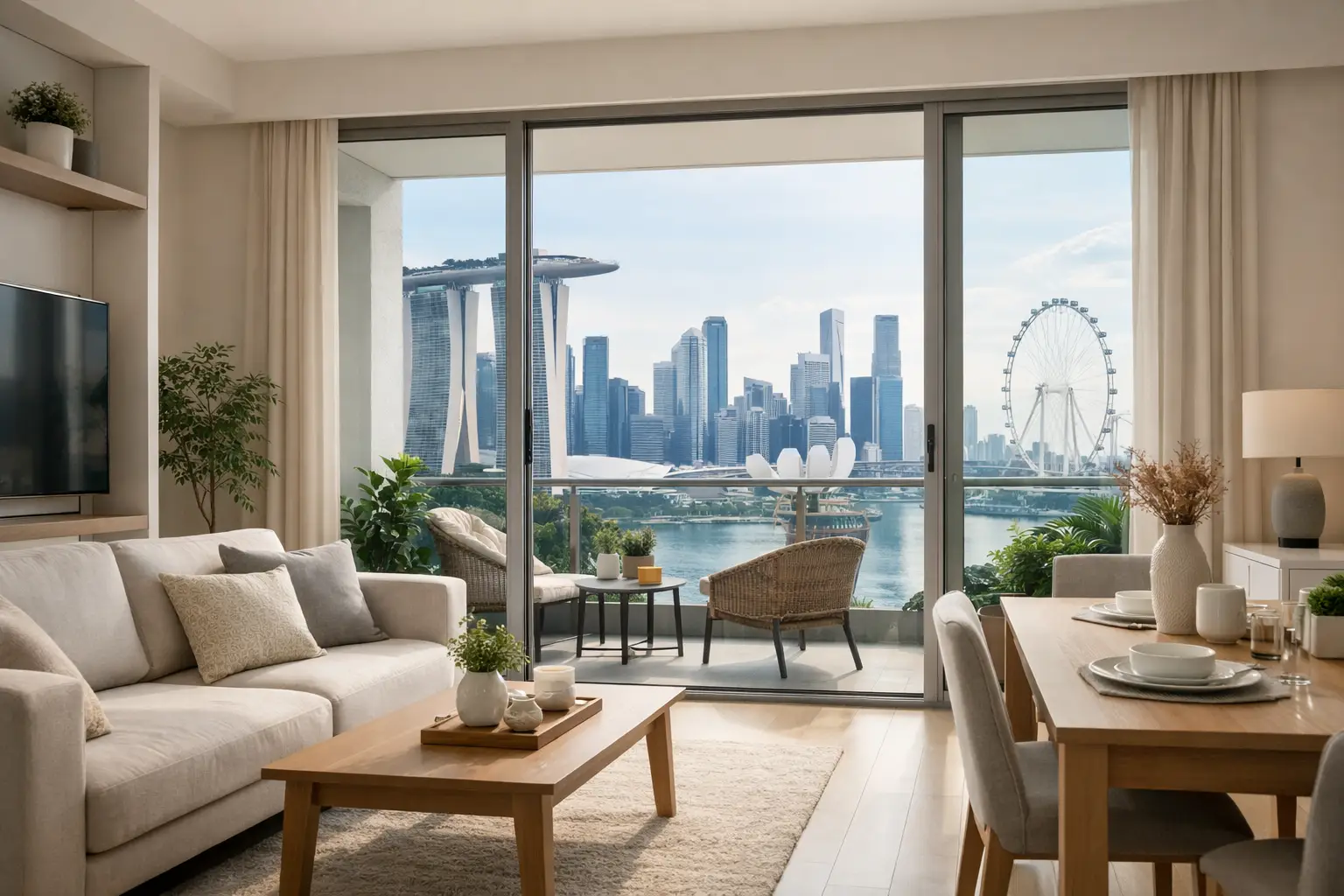
A vacant living room can look larger than it feels, while a crowded one can make buyers question whether their furniture will fit. Both situations ask buyers to do too much imagining. So, can staged homes sell faster? Often, they can – not because furniture changes the property itself, but because it helps buyers understand it quickly and feel more confident about what they are seeing.
For property agents and sellers in Singapore, that clarity matters from the first online listing photo through to the final viewing. A well-presented home gives each room a purpose, shows proportion more clearly and creates a more welcoming first impression. It can encourage enquiries, support better viewings and help a property avoid blending into a long list of similar options.
Why staged homes can sell faster
Buyers rarely view a property as a floor plan alone. They respond to light, flow, scale and the sense of everyday life a space can offer. An empty bedroom may look like an awkward box. With an appropriately sized bed, side tables and simple soft furnishings, it becomes a room that buyers can immediately place in their minds.
Staging reduces uncertainty. It answers practical questions before they are asked: Is there room for a proper dining table? Can this living area accommodate guests? Is that corner useful as a study space? When a layout is easy to read, buyers can spend more time considering the home rather than trying to work it out.
This is particularly useful for vacant condominiums, older units with dated furnishings, inherited properties and homes where the existing furniture is mismatched or overly personal. In each case, staging gives the listing a clearer visual story without requiring the owner to buy a full set of furniture for a short-term need.
Better listing photos create a stronger starting point
Most buyers decide whether to enquire before they visit. If the photographs feel dark, sparse or cluttered, the listing may receive less attention even when the location, layout and asking price are competitive.
Thoughtful staging makes photography more informative. A sofa defines the living zone. A dining setting shows the width of the room. Bedding and lamps add warmth without distracting from the home’s features. Neutral colours, tidy surfaces and a measured amount of styling help a photographer capture rooms that look bright, balanced and believable.
The aim is not to make a home look like a showroom. It is to make the property easy to understand at a glance. Buyers should still recognise the actual size, condition and character of the space when they arrive for a viewing.
Viewings become easier to imagine
A good viewing should help someone picture their own routine in the home. They may imagine working at the desk in the spare room, sharing a meal at the dining table or relaxing in the living area after work. Staging supports those small but meaningful moments of connection.
It can also guide buyers through unusual layouts. A long living room, a compact second bedroom or an open-plan area may have clear potential, yet that potential is not always obvious when the space is empty. Practical furniture placement can show how zones work together while preserving clear walkways and a natural sense of flow.
For owner-occupied homes, staging may involve editing rather than replacing everything. Removing excess furniture, storing personal items and bringing in selected rental pieces can make the home feel calmer and more current. The result should still feel lived in, just more considered.
What home staging can and cannot do
Staging is a marketing tool, not a substitute for sound pricing, basic repairs or a well-managed sales process. A beautifully furnished flat with an unrealistic asking price may still sit on the market. Equally, visible maintenance issues, poor lighting or a lack of cleaning can weaken the effect of even the best styling.
It is also not necessary to stage every property to the same level. A family-sized landed home may benefit from furnishing several bedrooms and outdoor areas, whereas a compact investment unit may need a focused living, dining and bedroom setup. The right scope depends on the likely buyer, the condition of the property, the quality of competing listings and the expected marketing period.
There is a budget consideration too. Sellers should weigh the cost of staging against the potential cost of a slower campaign, repeated price reductions or a property that photographs poorly online. For many vacant or slow-moving homes, furniture rental offers a practical middle ground: a polished presentation for the sales period without the commitment of purchasing, storing or reselling furniture afterwards.
How to stage a property with the buyer in mind
The most effective staging begins with the likely audience, not a favourite design trend. A city-fringe one-bedroom unit marketed to professionals needs a different approach from a four-bedroom family home near schools. The furniture should fit the room and support the lifestyle the property naturally suits.
Start with scale and function
Oversized furniture can make even a generous room feel tight. Pieces that are too small can make the same room feel unfinished. A considered furniture plan balances proportion while keeping circulation clear.
Every key room should have an obvious purpose. The living room needs a defined seating area, the dining space should demonstrate usable capacity, and bedrooms should show realistic sleeping arrangements. If a study nook or balcony is a selling feature, furnish it lightly so buyers can see its value without the area becoming busy.
Keep the styling calm and neutral
Neutral does not mean bland. Layered textures, soft cushions, artwork and greenery can make a home feel welcoming, provided they do not compete with the property. The focus should remain on natural light, windows, flooring, storage and layout.
Avoid highly personal collections, bold colour schemes or accessories that dominate photographs. Buyers need enough detail to feel the home is cared for, but enough visual space to imagine their own belongings there.
Prepare the practical details around the furniture
Staging works best alongside thorough preparation. Curtains should be opened for photographs and viewings, light bulbs replaced where needed, air-conditioning maintained and surfaces cleaned carefully. Minor repairs such as loose handles, chipped paint or faulty switches deserve attention because buyers often notice small signs of neglect.
Agents should also plan the timing. Furniture delivery, installation, cleaning and photography need to happen in the right order, especially when a listing needs to go live quickly. A hands-on staging partner can coordinate the furnishing side of that process, including setup and collection once the campaign is complete.
When staging is most worth considering
Staging tends to be particularly useful when a property is vacant, when existing furniture is dated or when photos have not generated the level of enquiry expected. It can also help sellers who have already moved out and do not want to leave their former home looking empty during marketing.
For landlords preparing a unit for lease, the same principles apply. Furnished rooms can help prospective tenants see how they would live in the property and can make a rental listing feel more complete. The furnishing package should still be appropriate for the intended tenancy period and rental market, rather than overly decorative.
A staged home will not appeal equally to every buyer, and it should never conceal genuine limitations. However, it gives a good property a fairer chance to communicate its strengths. That can be the difference between a listing that is quickly understood and one that buyers scroll past.
A practical approach for Singapore sellers and agents
Before committing to staging, review the listing as a buyer would. Look at the first five photographs, consider what each room communicates and ask whether the target buyer can understand the layout without explanation. If the answer is no, a focused staging plan may be worthwhile.
Prioritise the spaces that shape first impressions: the living area, dining area, main bedroom and any room with an unclear function. Then make sure the styling, photography and viewing preparation all support the same message. A home does not need to look extravagant. It needs to feel proportionate, cared for and ready for its next occupant.
For agents managing several timelines and sellers who want a straightforward process, Expats Partner can provide furniture rental, styling, delivery, installation and collection as one coordinated service. The practical value lies in reducing the work around presentation while keeping the property market-ready.
The best staging does not ask buyers to admire the furniture. It helps them notice the home, understand how it works and leave the viewing with a clearer sense that it could be theirs.