
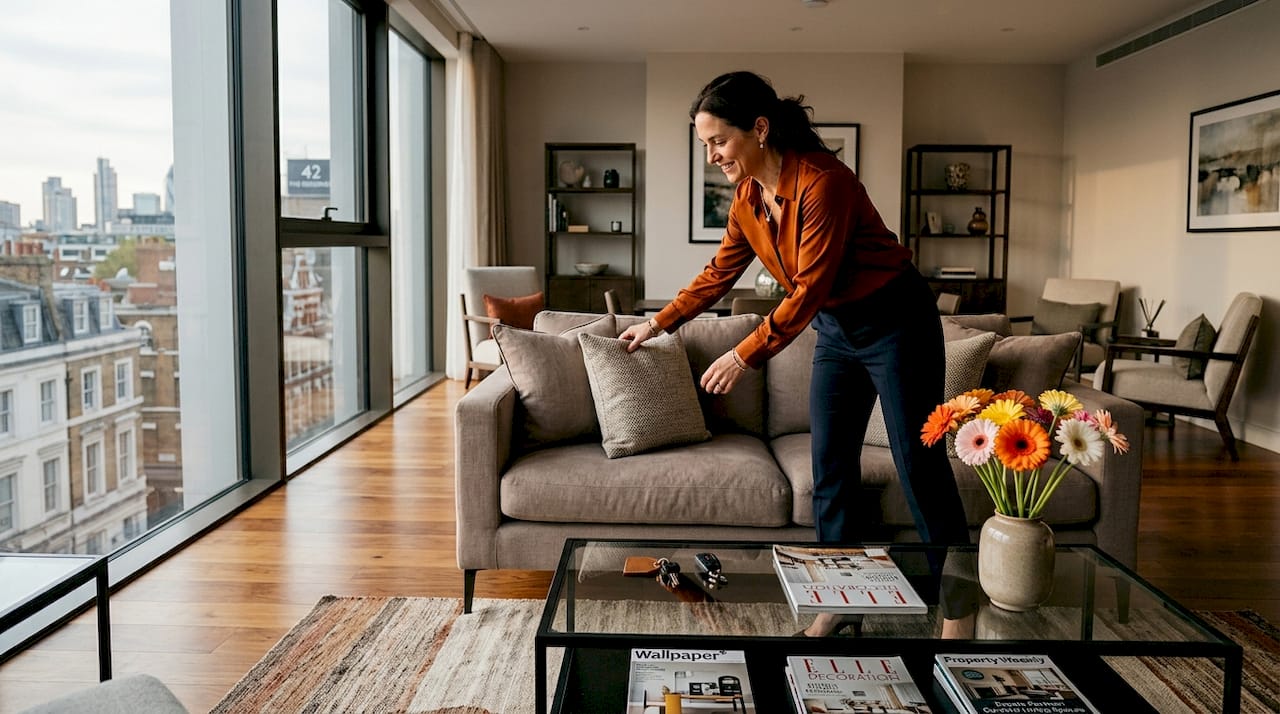
Most sellers assume home staging is a nice touch. A few cushions, some fresh flowers, maybe a scented candle. The data tells a very different story. Professionally staged homes sell 73% faster than unstaged ones and can command price increases of 5% to 25%. That is not a decorative detail. That is a financial strategy. This article explains exactly how home staging helps increase profits, what the numbers look like in practice, and which staging approaches deliver the strongest returns for property owners, investors, and agents.
Table of Contents
- Key takeaways
- How home staging increases profits through buyer psychology
- Quantifying the home staging ROI
- Comparing staging strategies for maximum returns
- Practical home staging tips for sellers
- How staging reduces market risk and carrying costs
- My perspective on staging as a financial investment
- Stage smarter with furniture rental in Singapore
- FAQ
Key takeaways
| Point | Details |
|---|---|
| Staging sells faster | Professionally staged homes spend up to 73% less time on the market than unstaged properties. |
| Higher sale prices | Staged properties typically sell for 5% to 15% more, with some cases reaching as high as 25% above asking. |
| ROI can be extraordinary | Staging investments have been reported to yield returns of over 3,500% when cost versus price gain is measured. |
| Staging reduces financial risk | Shorter time on market cuts carrying costs such as mortgage payments, utilities, and maintenance fees. |
| Method matters | Choosing between physical and virtual staging depends on property type, budget, and the stage of the sales process. |
How home staging increases profits through buyer psychology
Understanding how home staging helps increase profits starts with understanding how buyers make decisions. Most buyers form an emotional judgement within seconds of entering a property. Staging shapes that judgement deliberately.
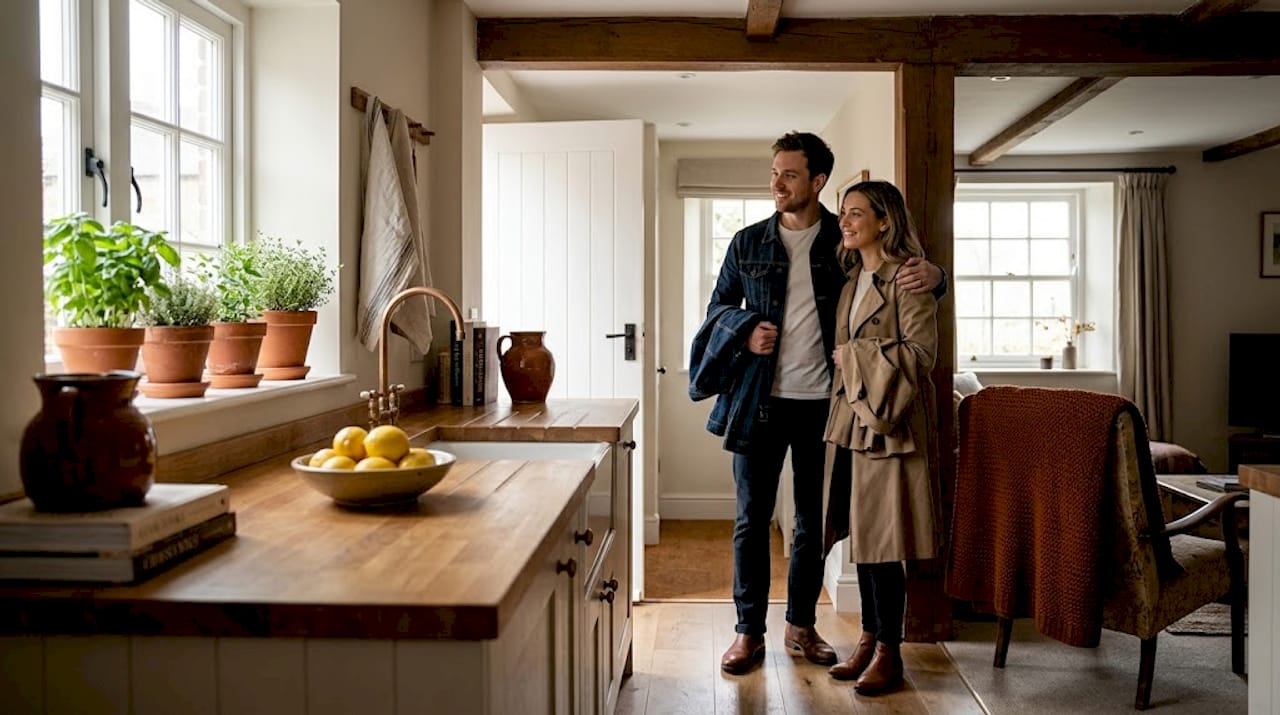
82% of buyers’ agents report that staging helps buyers visualise the property as their future home. That visualisation is not passive. It translates directly into stronger emotional attachment, higher perceived value, and a greater willingness to make competitive offers. Buyers who can picture their life in a space are far less likely to negotiate aggressively on price.
Staging also increases the number of buyers who come through the door in the first place. Well-staged listing photos generate significantly more online engagement, and buyer visits increase by 40% after a professionally staged home is viewed online. More viewings mean more competition. More competition means better offers.
There are two primary staging approaches to consider:
- Physical staging involves placing real furniture, accessories, and décor in the property. It creates an immediate emotional impact during in-person viewings and is particularly effective in converting interested browsers into serious buyers.
- Virtual staging uses digital rendering to furnish empty rooms in listing photographs. It costs significantly less and performs well at the online browsing stage, though it cannot replicate the sensory experience of a fully furnished showing.
“Staging is more than furniture placement. It is strategic marketing designed to neutralise personal tastes and create a universally appealing environment that motivates buyers to bid competitively.”
The distinction matters because staging creates a competitive edge by removing the friction buyers feel when trying to see past someone else’s personal taste. A blank canvas styled with care gives buyers permission to project their own lives onto the space.
Quantifying the home staging ROI
The financial case for staging is not theoretical. The numbers are concrete and, in many cases, striking.
| Metric | Staged properties | Unstaged properties |
|---|---|---|
| Average time on market | Up to 73% shorter | Baseline |
| Typical price increase | 5% to 15% | None |
| Maximum price increase | Up to 25% | N/A |
| Average ROI on staging spend | Up to 3,551% | N/A |
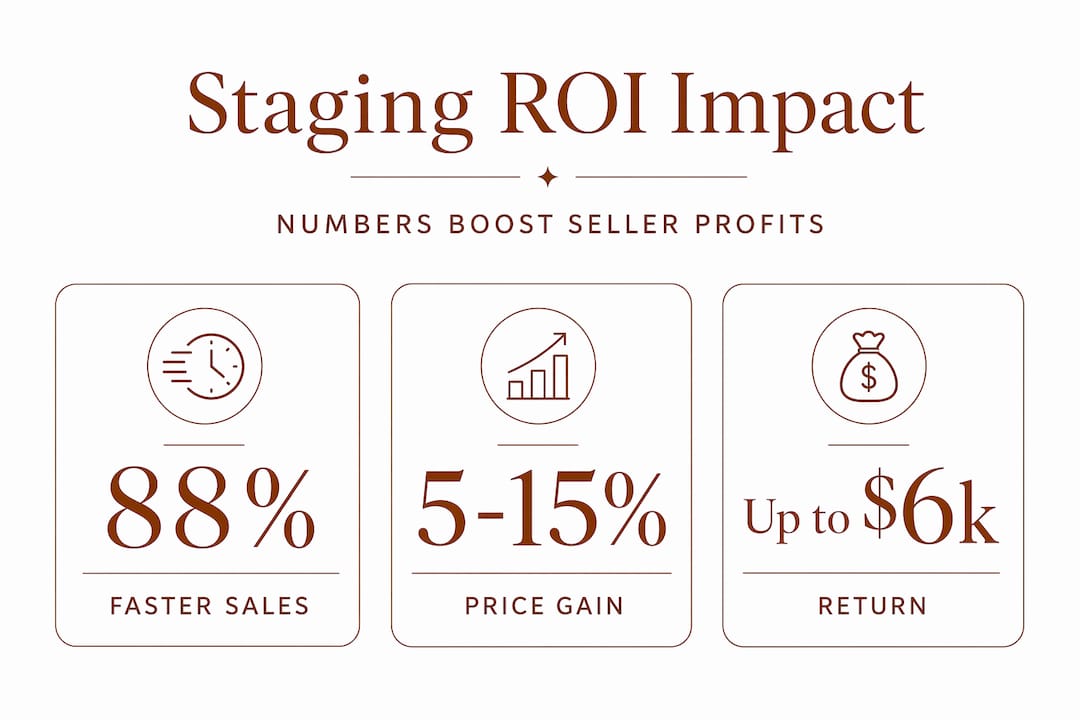
Average professional staging costs range from approximately $800 to $6,000 or more, depending on the size of the property and the scope of staging required. Virtual staging, by comparison, averages around $282 for six rooms. The cost difference is substantial.
The ROI comparison is where staging becomes genuinely compelling. Q3 2025 data recorded average returns on professional staging investments at 3,551%. Even at the more conservative end of industry estimates, staging consistently delivers a positive return.
There is another financial dimension that sellers frequently overlook. Every additional week a property sits unsold adds to carrying costs: mortgage payments, property taxes, utilities, and maintenance. Staging that shortens market time by even a few weeks can save thousands of dollars in ongoing expenses, often exceeding the upfront staging investment itself.
Pro Tip: When calculating whether staging is worth it for your property, factor in your monthly carrying costs. If staging shortens the sale by six to eight weeks, those savings alone may cover the entire staging fee before any price increase is counted.
Comparing staging strategies for maximum returns
Not every property needs the same approach. Choosing the right staging method depends on the property’s current state, the target buyer, and the budget available.
Full physical staging
Full physical staging furnishes an entire property with real furniture and accessories. It is the most effective approach for in-person impact and works particularly well for vacant properties, luxury homes, and any listing where the sale price justifies the investment.
Vacant homes that are staged sell 88% faster than unstaged vacant ones. An empty room feels cold and difficult to scale. A furnished room tells a story, communicates a lifestyle, and helps buyers believe the space is larger and more functional than bare walls suggest.
Partial staging
Partial staging focuses resources on the rooms that influence buying decisions most heavily: the living room, master bedroom, and kitchen. If a full staging budget is not available, this is the most cost-efficient path. Concentrating staging effort on key rooms has a disproportionate effect on buyer perception relative to cost.
Virtual staging
Virtual staging costs up to 91% less than physical staging and is ideal for generating strong listing photographs. It works well for digitally engaged buyers in the early stages of their search. However, if a buyer arrives for a physical viewing and finds an empty property after seeing furnished photography, the disconnect can hurt credibility.
The most effective approach for many sellers combines both: virtual staging for online marketing materials, and physical staging or furniture rental for actual viewings.
Pro Tip: For investment properties or properties with awkward layouts, virtual staging allows you to test multiple furniture configurations and room uses affordably before committing to a physical arrangement. This is particularly useful for properties that have been on the market without much activity.
Here is a quick comparison to guide your decision:
- Full physical staging: Best for vacant homes, luxury properties, and competitive markets. Highest cost, highest emotional impact.
- Partial staging: Best when budget is limited. Focus on the living room, master bedroom, and entry.
- Virtual staging: Best for online presence and cost-sensitive listings. Less effective for in-person showings.
- Combined approach: Best overall for balancing cost, online engagement, and physical viewing experience.
Practical home staging tips for sellers
Good staging is methodical. It follows a sequence, and skipping steps early in the process undermines everything that follows.
- Declutter completely. Remove excess furniture, personal items, and anything that makes the space feel specific to the current occupant. Professional staging prioritises room flow over decoration. Less furniture in a room almost always makes it feel larger and more aspirational.
- Deep clean before anything else. Cleanliness is foundational to staging success. A spotless, neutral, clutter-free home sets the baseline that all other staging efforts build upon. Buyers notice grime even when they do not consciously register it.
- Neutralise the colour palette. Repaint bold or highly personalised walls in warm neutral tones. Neutral spaces allow buyers to see the architecture rather than the current owner’s taste. This is one of the most cost-effective changes a seller can make before a listing goes live. Explore neutral styling approaches for guidance on specific colour and material choices.
- Place furniture to define flow. Arrange seating to create clear conversation areas. Keep pathways open. Avoid pushing furniture against walls, which is a common mistake that paradoxically makes rooms feel smaller. The goal is to make movement through the property feel easy and natural.
- Use accessories and lighting deliberately. Warm lighting, fresh greenery, and curated accessories (artwork, cushions, a few books) add warmth without adding clutter. Three to five accessories per surface is a useful working limit. Avoid collections, family photographs, and anything too niche in style.
- Avoid the common staging pitfalls. Over-staging with too many decorative items, staging only one room, using furniture that is too large for the space, or neglecting outdoor areas are the most frequent errors. Each one signals to buyers that the property may not be as well-maintained as it appears.
How staging reduces market risk and carrying costs
Every day a property remains unsold costs money. Mortgage payments continue. Utilities accumulate. Maintenance does not pause. Staging reduces carrying costs by cutting the number of days a property sits on the market, sometimes by more than two months.
There is also a less obvious risk: the stale listing effect. A property that lingers on the market signals to buyers that something is wrong, even if nothing is. That perception invites lower offers. Agents familiar with this pattern know that a price reduction is often the only way to revive interest in a listing that has sat too long.
Staging directly addresses this risk:
- Staged homes attract more viewings, which accelerates the offer timeline.
- Multiple offers arrive sooner, creating competition that pushes the sale price up rather than down.
- A faster sale avoids the credibility damage that comes with prolonged market exposure.
- Staging reduces the likelihood of forced price cuts by presenting the property at its most appealing from the first day of listing.
The broader point is that staging is not a standalone tactic. It sits within a broader home selling strategy that includes pricing, photography, listing copy, and timing. Staging amplifies the effectiveness of every other element in that strategy.
My perspective on staging as a financial investment
I have worked closely with property owners, agents, and investors across Singapore who are preparing homes for sale or rental. The single most consistent observation I have is this: sellers who treat staging as a cost are already thinking about it incorrectly. Staging is a calculated investment with a measurable return.
I have seen modest apartments attract competing offers within days of being staged with appropriate furniture and neutral styling. I have also seen beautifully renovated properties sit on the market for months because they were listed empty, with poor photographs and no sense of scale or lifestyle.
The mistake I see most often is partial commitment. A seller will declutter and clean, then skip the furniture because it feels like an unnecessary expense. But an empty room is the single hardest type of space for a buyer to evaluate. They cannot feel the proportions. They cannot picture the life. The emotional connection never forms, and the sale either stalls or settles for less than it should.
What I find equally underappreciated is the synergy between virtual and physical staging. Virtual staging gets buyers through the door by creating compelling online listings. Physical staging, including rented furniture placed thoughtfully, converts those viewings into offers. Used together, they cover the full buyer journey from first scroll to signed contract.
My honest view is that staging, particularly for vacant properties and investment listings, is one of the highest-return decisions a seller can make. The data supports it, and so does every property I have seen it applied to properly.
— Expats Partner
Stage smarter with furniture rental in Singapore
If you are preparing a property for sale or rental in Singapore and want the financial benefits of physical staging without the cost of buying furniture outright, Expats Partner offers a practical solution. Our furniture rental for property staging gives you access to quality, viewing-ready furniture on flexible short-term terms, delivered, set up, and collected by our team.
Whether you need a fully furnished living space or just the key rooms that drive buyer decisions, we can support your staging goals with clear pricing and reliable logistics. Landlords, agents, and investors across Singapore use our short-term furniture rental to prepare properties quickly and cost-effectively. Speak to Expats Partner about your staging needs and let us help you get the property viewing-ready.
FAQ
How does home staging help increase profits?
Staged homes typically sell for 5% to 15% more than unstaged properties and attract more competitive offers. The combination of higher sale price and reduced time on market generates measurable financial gains that consistently outweigh staging costs.
Is home staging worth the cost for sellers?
Yes, in most cases. Professional staging costs between $800 and $6,000 on average, while the return on that investment has been reported at over 3,500% when measured against the price increase achieved. Reduced carrying costs add further financial benefit.
Does staging sell homes faster?
Staged homes sell significantly faster than unstaged ones. Data shows staged properties spend up to 73% less time on the market, which reduces the risk of price reductions and the financial burden of ongoing carrying costs.
What rooms should be staged first?
The living room, master bedroom, and kitchen have the greatest influence on buyer decisions. If budget is limited, concentrate staging resources on these three rooms before considering others.
What is the difference between virtual and physical staging?
Virtual staging uses digital rendering to furnish listing photographs at a fraction of the cost of physical staging. Physical staging places real furniture in the property for in-person viewings. Virtual staging excels at online engagement; physical staging creates the emotional impact that converts viewings into offers.