
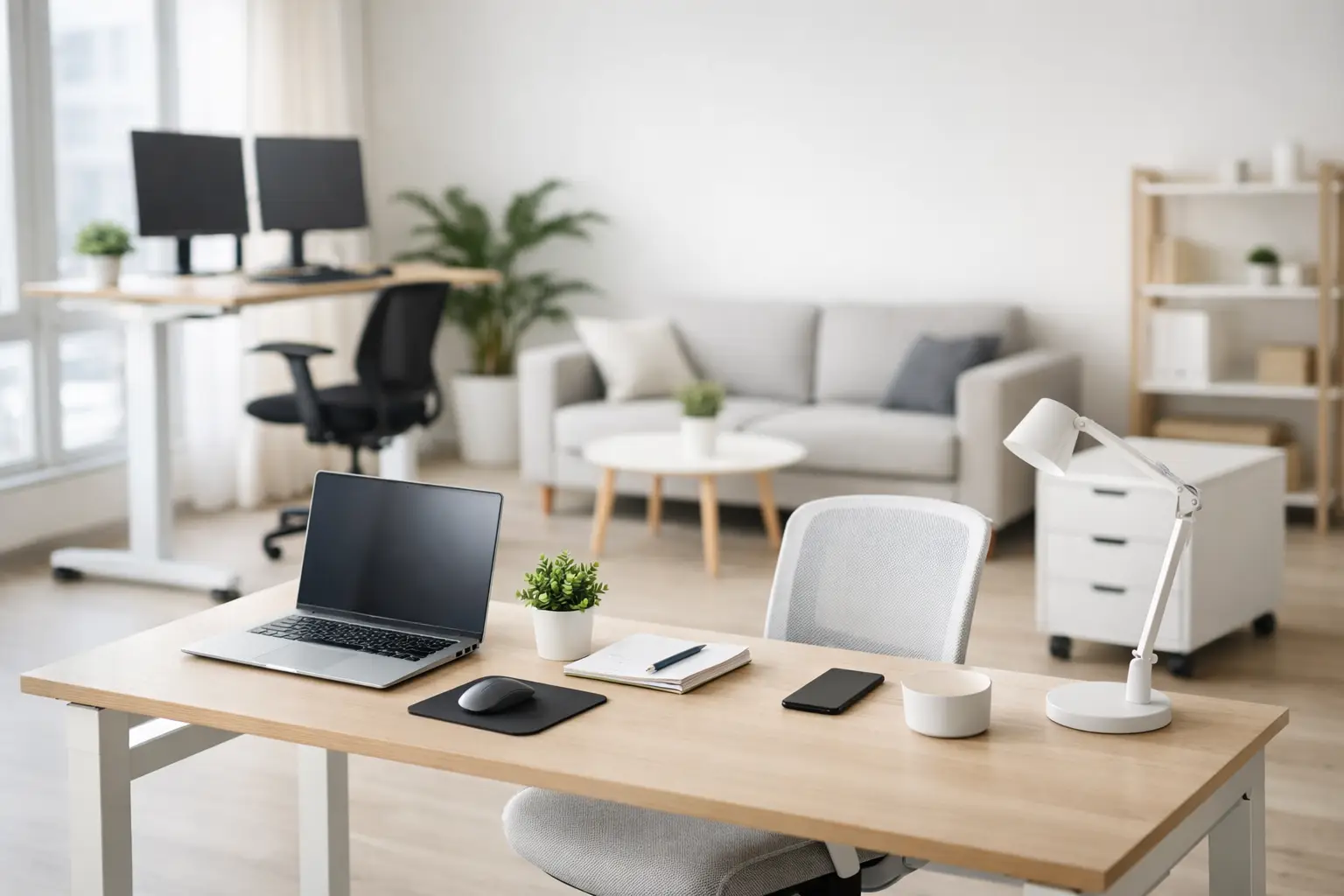
A delayed office launch rarely looks dramatic from the outside. It is usually a string of small hold-ups – desks not delivered, meeting chairs arriving in the wrong finish, storage missing, or a team working from dining tables while waiting for the final pieces. For businesses that need fast office setup furniture, the real issue is not just speed. It is how quickly a space becomes usable, presentable, and ready to support work from day one.
That matters whether you are fitting out a temporary project office, preparing a space for relocating staff, opening a sales office, or getting a corporate unit ready at short notice. In these situations, furniture is not a finishing touch. It is part of how the space functions, how people feel when they enter it, and how organised your operation appears.
What fast office setup furniture really means
Fast office setup furniture is often treated as a simple procurement problem – choose items, arrange delivery, place them in the room. In practice, the better question is whether the furniture can help the office start operating immediately.
A fast setup is not only about how quickly pieces arrive. It is also about whether the furniture has been chosen with the room size, usage, and timeline in mind. A beautiful desk that blocks circulation slows the office down. A waiting area without enough seating changes how clients experience the business. A meeting room with the wrong table size creates friction every time people gather.
The most effective setups are usually the ones with fewer decisions, clearer planning, and a practical mix of essentials. That tends to include workstations, task chairs, meeting tables, visitor seating, storage, and selected soft furnishings that make the office feel complete rather than improvised.
Why speed matters more than most teams expect
When an office needs to be ready quickly, there is usually a commercial reason behind it. A property developer may need a polished project space for viewings. A company moving staff may need a usable office before permanent fit-out plans are finalised. An agency may need to present a unit as functional and professionally occupied rather than empty.
In each case, time affects perception. Empty rooms can feel uncertain. Partially furnished rooms can look disorganised. A furnished office, even a simple one, gives structure to the space and helps people understand how it works.
This is especially relevant in Singapore, where many business decisions move quickly and available space is expected to perform immediately. A delay of even a few days can affect staff experience, viewing readiness, client meetings, or operational planning.
The case for rental over purchase
For fast setups, rental often makes more sense than buying outright. That is not because purchased furniture is wrong in every case. It is because purchase tends to come with more decisions, more capital outlay, and more lead-time risk.
Rental gives businesses a way to furnish first and refine later. If the office is temporary, there is no need to own items that may not suit the next location. If headcount changes, the setup can be adjusted without committing to a full furniture inventory. If the priority is simply getting people in and working, rental reduces the burden of sourcing, delivery coordination, installation, and eventual removal.
There is also a presentation benefit. A coordinated rental package usually looks more intentional than piecing together last-minute items from different sources. That matters for offices that host clients, support relocation, or sit alongside a branded property marketing effort.
How to choose the right furniture for a fast setup
The best fast office setup furniture is rarely the most elaborate. It is the furniture that covers essential use cases well, fits the footprint properly, and creates a clean, functional look.
Start with how the space will be used
A sales office needs a different layout from a staff operations hub. A relocation flat with a work corner needs different furniture from a corporate project office. Before choosing styles or quantities, it helps to clarify who will use the space, how many people need to work there, and whether the office is client-facing.
That one step prevents many common problems. Teams often over-furnish small offices, under-furnish meeting zones, or forget practical items such as side tables, storage, and reception seating.
Prioritise essential zones
Most fast setups work better when broken into zones rather than treated as one shopping list. Workstations, meeting areas, reception or waiting space, and storage each need their own logic. Once those basics are covered, the office starts to feel coherent.
A modest waiting area with two well-proportioned chairs and a table can do more for the room than an oversized sofa that dominates the entrance. A meeting room with comfortable seating and enough clearance feels useful straight away. Small choices have an outsized impact when the schedule is tight.
Keep the styling clean and neutral
Neutral does not mean bland. It means flexible, widely appealing, and easy to place in different environments. Offices that need to be ready quickly usually benefit from furniture that looks polished without being visually heavy.
This is particularly important for mixed-use spaces, show units, temporary offices, and furnished corporate homes where work and presentation overlap. Clean lines, practical proportions, and a restrained colour palette help the room feel calm and business-ready.
Where fast setups often go wrong
The pressure to move quickly can push teams into rushed decisions that create more work later. One common mistake is focusing only on what is available immediately rather than what the room actually needs. Another is underestimating the value of full setup support.
Delivery alone is not the same as readiness. If furniture arrives but still needs arranging, assembling, or styling, the office may remain unusable. The operational side matters as much as the furniture itself. Reliable scheduling, coordinated placement, and collection planning are what turn a delivery into a working environment.
There is also the question of image. Offices used for client meetings, property marketing, or staff onboarding need to look intentional. A rushed setup that feels temporary in the wrong way can weaken confidence before a conversation has even started.
When flexibility matters more than permanence
Not every office needs a long-term furniture plan from the outset. In fact, many businesses benefit from using a flexible setup first. That might apply to project teams, pop-up sales spaces, relocation housing, interim headquarters, or units being prepared for a wider launch.
In these cases, it is sensible to choose furniture that meets immediate needs without locking the business into a long commitment. Flexible rental terms are useful not only because they lower upfront cost, but because they reflect the reality of changing plans. A team grows, a lease shifts, a unit is handed over earlier than expected, or a staging requirement changes.
That flexibility is where service quality becomes highly visible. Clients are not only looking for furniture. They are looking for less coordination, fewer delays, and confidence that the space will come together properly.
Fast office setup furniture for property and relocation use
There is a useful overlap between office furnishing, property presentation, and relocation support. A developer sales office, a temporary executive workspace, and a furnished rental unit may all need the same core outcome – a space that feels ready from the moment someone walks in.
For property professionals, furniture helps shape first impressions and define function. For HR and relocation teams, it helps new arrivals settle faster with less disruption. For landlords and owners preparing mixed-use or work-friendly units, it gives prospective tenants a clearer sense of how the space can support day-to-day life.
This is where an experienced furnishing partner adds value beyond inventory. The right setup is not just fast. It is appropriate to the audience, proportionate to the space, and aligned with the intended result.
Expats Partner approaches this in a practical way, focusing on furniture and staging solutions that help spaces perform well without unnecessary complexity.
What to look for in a furnishing partner
If speed is the priority, look closely at process rather than promises. Can the provider handle delivery, placement, and collection? Are the furniture packages suitable for office, staging, and temporary use? Is the styling neutral enough to support broad appeal? Can the setup scale up or down if plans change?
Those details tend to matter more than a long catalogue. Fast setup furniture works best when the service model is built around readiness, not just rental stock.
A well-furnished office does not need to feel expensive or overdesigned. It needs to feel considered. When that happens, teams settle in faster, clients respond better, and the space begins doing its job straight away.
If you are planning a short-notice office, a project space, or a furnished corporate environment, the smartest approach is usually the one that removes friction from the process and keeps the end use in focus.
Contact us now at: Kevin Chang – 80119753 sales@expatspartner.com.sg Sales Specialist