
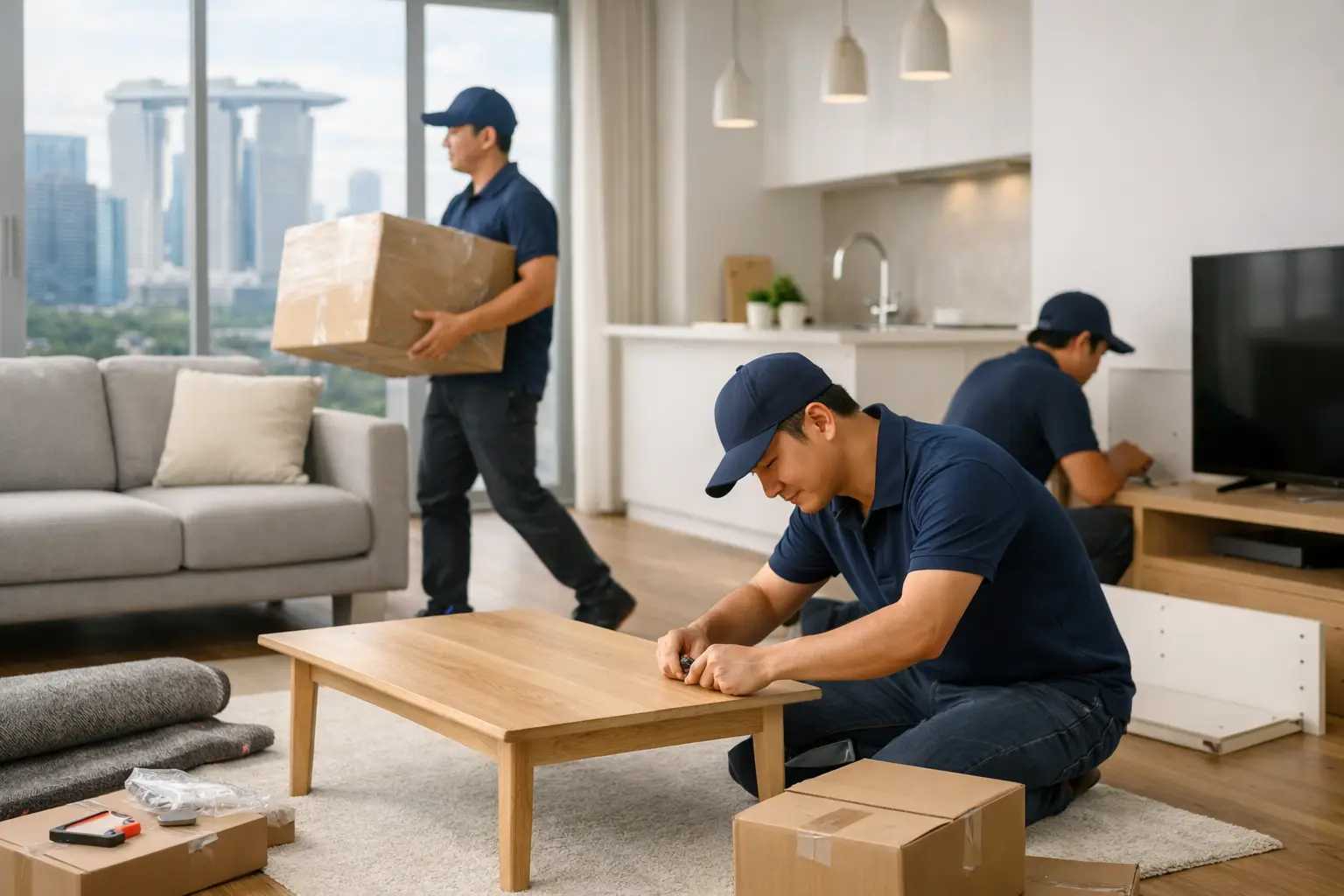
A vacant flat can look ready in a floor plan yet feel surprisingly small during a viewing. Equally, a new tenant arriving with suitcases does not want to spend their first evening waiting for a bed frame to be assembled. Furniture delivery installation Singapore is therefore more than a final transport task. Done properly, it is the point at which a property becomes presentable, practical and ready for its next occupant.
For agents, landlords, sellers and relocating residents, the details matter. A late delivery can disrupt photography or a planned viewing. Poor placement can make a well-proportioned room feel crowded. An incomplete installation leaves someone else to deal with packaging, adjustments and missing pieces. A good service removes these pressures while respecting the property, the building rules and the agreed timetable.
Why furniture delivery and installation affects property results
Furniture gives buyers and tenants useful visual reference points. A sofa shows the usable width of a living room. A properly sized dining table clarifies whether a space can accommodate everyday meals or entertaining. In bedrooms, a bed, bedside tables and considered lighting help people understand how the room can work, rather than guessing from bare walls.
This is particularly relevant for vacant homes, older units and properties with awkward layouts. Empty rooms can appear smaller than they are, while homes with mismatched or oversized belongings can distract from good features. Delivery and installation should support the styling plan, placing each item where it helps the room read clearly in photographs and in person.
For furnished rentals, the operational benefit is just as clear. A unit that is ready when promised gives incoming tenants confidence. Landlords can avoid coordinating separate deliveries for a mattress, dining set, curtains and accessories, each with its own lead time and access requirements. One managed schedule is usually easier to control than several partial deliveries.
What a dependable service should include
The best approach begins before the lorry arrives. A provider should understand the property type, whether it is a condominium, landed home, office or rental flat, as well as the access route, lift availability and building management procedures. These practical details shape the delivery plan and help prevent avoidable delays on the day.
Clear planning before delivery day
A useful pre-delivery conversation covers the inventory, room layout, preferred installation date and any deadlines for photography, listing or move-in. It should also identify constraints such as narrow corridors, service lift bookings, loading-bay restrictions and protected flooring. In Singapore, many developments have specific delivery windows and may require contractor details or deposits in advance.
Measurements deserve attention too. It is not enough for a sofa to fit the living room once it is inside. It must fit through the lift, entrance and hallway. Large headboards, dining tables and wardrobes often need particular care. Where access is difficult, a practical furniture plan may involve modular pieces or items that can be assembled in the room.
Before confirming the schedule, check four essentials:
- the building’s permitted delivery and installation hours;
- lift and loading-bay booking requirements;
- access measurements for larger furniture pieces; and
- the date by which the property must be photographed, viewed or occupied.
These checks take little time but can protect a carefully planned launch date.
Careful placement, assembly and finishing
Installation is not simply assembling furniture according to instructions. It includes positioning items so that walkways remain clear, doors and drawers open fully, and the room feels balanced. A coffee table positioned too close to a sofa, for example, can make a living area feel tight. A bed placed without allowing for bedside access can make a bedroom look less functional.
For staged properties, the finishing details are part of the job. Rugs need to sit flat, lamps should be correctly placed, cushions should support the colour scheme, and accessories should look natural rather than excessive. The goal is not to make a home look like a showroom. It is to help a prospective buyer or tenant picture comfortable everyday living.
At the end of installation, packaging should be removed and the property left tidy. A final walk-through gives the client a chance to check that the agreed pieces are present, the layout suits the space and no minor adjustment has been overlooked.
Furniture delivery installation Singapore for different needs
The right service depends on why the property is being furnished. The same dining set may be suitable for a long-term rental, but not for a compact unit being staged for sale. Timeframe, budget, target audience and the condition of the home all influence the plan.
Property staging for sale or lease
For an agent preparing a listing, speed and visual consistency are often the priorities. The furniture needs to photograph well, support the property’s likely target market and avoid hiding key selling points. A bright one-bedroom unit may need a compact sofa and dining arrangement, while a family home benefits from showing how several bedrooms and living zones can be used.
Staging also needs to be temporary and low-disruption. Hiring furniture with delivery, styling, installation and later collection avoids asking the seller to buy items solely for a marketing period. It can be a sensible option when a home is vacant, inherited, tenanted until recently, or simply not presenting at its best.
Furnished homes for incoming tenants
Relocating residents tend to value comfort and certainty. They need usable essentials from day one, including a proper bed, seating, dining furniture and practical storage. The exact mix varies by household size and lease length, but the principle is straightforward: the home should feel settled without requiring the tenant to make expensive purchases for a temporary stay.
A turnkey rental arrangement can also be helpful for corporate moves, where arrival dates are fixed and the employee needs a functioning home quickly. In these cases, delivery coordination and professional installation are part of the service value, not an optional extra.
Landlord and office requirements
Landlords may use furniture installation to reduce the gap between one tenancy and the next. A well-presented furnished unit can appeal to tenants who want convenience, but there is a trade-off. Furniture should be attractive enough to support rental marketing while remaining durable, proportionate and appropriate for ongoing use.
Office projects bring different considerations: workstation layout, cable access, shared circulation and delivery timing around business operations. The same planning discipline applies, but the furniture must support daily work rather than a viewing experience alone.
Questions to ask before you book
Price matters, but the cheapest quoted delivery may not include the work that makes a property genuinely ready. Ask whether assembly, room placement, packaging removal and post-installation checks are included. Clarify what happens if building access changes, a lift booking is missed, or an item cannot fit through the entrance.
It is also sensible to ask about condition standards, especially with rental furniture. Well-maintained pre-owned pieces can be a cost-conscious and more sustainable choice, provided they are clean, structurally sound and suited to the property’s presentation. New pieces may be preferable where a particular look, size or specification is required.
Finally, establish responsibility for collection at the end of a rental or staging period. For sellers and landlords, knowing that furniture can be removed promptly after a sale, lease or handover prevents the next logistical problem from being created.
A calmer way to prepare a property
When furniture, styling, delivery and installation are managed together, the process becomes easier to schedule and easier to oversee. Expats Partner works with the practical realities behind property presentation, from access coordination to creating rooms that feel welcoming in listing photographs and during viewings.
The most useful furniture delivery service is one that lets an agent focus on buyers, a landlord focus on the next tenancy, and a new resident focus on settling in. With the right plan in place, the property can be ready for the moment it needs to make a good impression.