
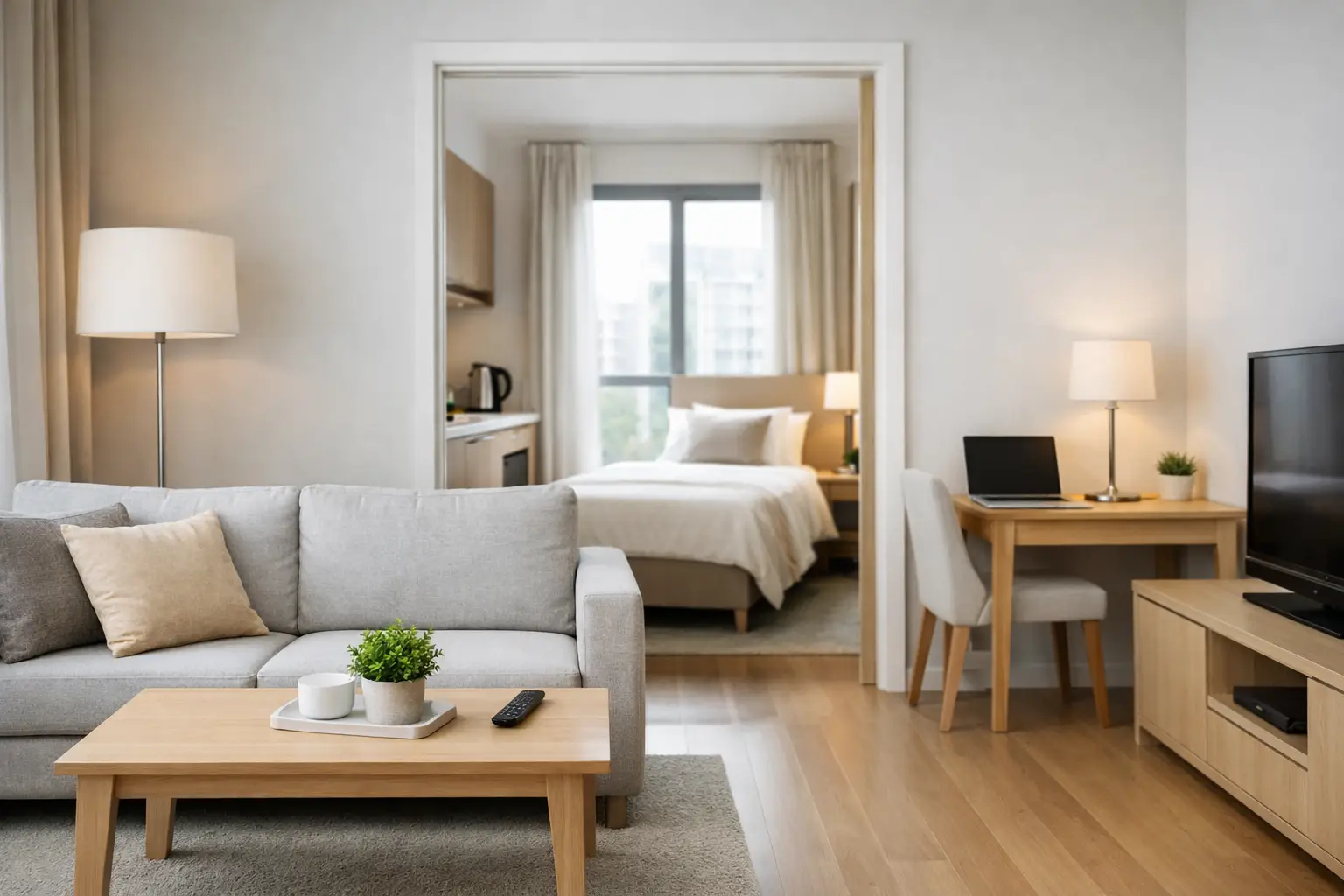
Temporary housing often needs to be ready faster than anyone would like. A lease has started, a family has arrived, a corporate assignee needs somewhere liveable by the weekend, or a vacant unit needs to feel complete before viewings begin. That is usually when the real question appears – how to furnish temporary housing in a way that feels practical, comfortable and commercially sensible.
The answer is rarely about filling rooms with as much furniture as possible. It is about choosing what supports the purpose of the stay. A short-term corporate let needs a different setup from a staged rental listing. A two-month relocation home has different priorities from a six-month family base. When the brief is clear from the start, furnishing becomes faster, more cost-effective and far easier to manage.
Start with the job the property needs to do
Before selecting a sofa, bed or dining set, decide what success looks like. If the property is intended for active occupation, the furniture has to support daily living. If it is being prepared for marketing, the furnishing should improve how the space is perceived in photos and during viewings. These are related goals, but not the same.
For landlords and agents, this distinction matters. A unit furnished for listing performance should create a strong first impression without making the space feel cluttered or overly personal. A unit furnished for temporary tenants needs to withstand real use, offer enough storage and make everyday routines easy. Trying to serve both purposes with one rushed furniture plan often leads to a result that is neither persuasive nor comfortable.
How to furnish temporary housing without overfurnishing
One of the most common mistakes is adding too much. Temporary housing should feel ready, not crowded. People need enough furniture to live well, move around comfortably and understand how each room functions.
The core pieces usually matter more than decorative extras. In the living area, comfortable seating, a coffee table and a TV console or equivalent anchor the room. In the bedroom, a proper bed, bedside tables and some form of clothing storage are usually essential. In the dining area, even a compact table with chairs helps the property feel complete and practical.
Once those basics are in place, it becomes easier to judge what is actually missing. In many cases, a floor lamp, rug, mirror or artwork can do more for the overall feel of a room than another bulky furniture item. Temporary homes work best when they feel calm and intentional.
Prioritise function first, then visual appeal
Good furnishing for temporary housing should never force a choice between practical use and presentation. It needs both. A flat can look polished in photographs and still be easy to live in. The key is to choose simple, neutral pieces that support daily habits without dominating the room.
This is especially useful in Singapore properties, where room sizes and layouts can vary significantly. A slim dining set may be a better choice than a large table that interrupts circulation. A sofa with clean lines can make the room feel more open than an oversized sectional. A queen bed may suit the room better than trying to push in something larger for the sake of appearance.
Match the furnishing plan to the length of stay
The longer the intended stay, the more important comfort and durability become. For very short stays, the furniture package can stay lean as long as the essentials are covered. For longer temporary housing, small omissions quickly become daily frustrations.
Someone staying for a week may not mind limited storage. Someone staying for three months almost certainly will. A relocating family will notice whether the dining area works for meals, whether bedrooms feel settled and whether the home supports routine. A solo executive may care more about a comfortable bed, a tidy living area and a functional place to work.
This is why furniture planning should not be based only on property type. Occupancy matters just as much. Two identical units may need different furnishing decisions depending on who is moving in and for how long.
Renting furniture usually makes more sense than buying
If the housing is temporary by definition, ownership is often the wrong model. Buying furniture can appear straightforward at first, but the hidden work adds up quickly. Someone has to source items, coordinate delivery, manage assembly, handle any mismatched pieces and eventually decide what to do with everything once the tenancy or assignment ends.
Furniture rental solves a different problem. It allows the property to be set up quickly, with a coherent look and a clear timeframe. For landlords, that reduces upfront spend and avoids being left with furniture that may not suit the next tenant. For corporate and relocation teams, it removes a layer of operational coordination. For agents preparing a vacant listing, it creates a faster route to a space that feels market-ready.
There is also a presentation advantage. A planned rental package usually looks more consistent than furniture gathered ad hoc from different sources. That consistency affects how a property is perceived, particularly in photos and first viewings.
Think in rooms, not in items
When people furnish temporary housing under time pressure, they often make decisions item by item. A bed is found. Then a sofa. Then chairs. The result can be functional enough, but it often lacks balance.
A better approach is to think room by room. What should the living room communicate? Usually comfort, proportion and usability. What should the bedroom deliver? Rest, simplicity and enough support for daily life. What should the dining area do? Signal that the home is complete and ready to occupy.
This shift matters because furniture is never judged in isolation. Prospective tenants, buyers and occupants respond to the whole setting. A room that feels coherent reads as better maintained and easier to imagine living in.
Keep the styling neutral and flexible
Temporary housing should appeal to more than one kind of person. That is why neutral furnishing works well. Soft greys, warm beiges, muted textures and straightforward shapes help a property feel clean, current and adaptable. Strong design statements can work in the right setting, but they narrow the audience.
Neutral does not have to mean bland. A carefully chosen rug, a few cushions, simple artwork and balanced lighting can give warmth without making the home feel specific to one taste. For property professionals, this is useful because it supports broader appeal. For relocation clients, it helps the space feel settled without feeling borrowed.
Do not ignore the operational side
A temporary housing setup succeeds only if the logistics are sensible. Lead times, access arrangements, lift bookings, installation windows and collection timing all affect the outcome. This is where many furnishing plans run into avoidable delays.
For that reason, it helps to work backwards from the occupancy or marketing date. Decide when the property needs to be photo-ready or ready to move into, then confirm what can realistically be delivered and installed before then. This is particularly important for agents and landlords working around listing launches, handovers or tight tenancy transitions.
A reliable setup process often matters as much as the furniture itself. If the property is vacant for too long, it loses momentum. If the furniture arrives too late, viewings or move-ins become harder to manage. Practical service matters because presentation only works when it is on time.
How to furnish temporary housing for better results
If the aim is a stronger rental listing, quicker occupancy or a smoother relocation experience, the best furnishing decisions are usually the ones that reduce friction. Choose enough furniture to make the home feel complete. Keep the styling clean and widely appealing. Fit the package to the likely occupant and the expected length of stay. Avoid buying when flexibility is more valuable than ownership.
This is where a service-led furnishing approach tends to outperform improvised setups. Instead of spending time sourcing, comparing, transporting and assembling individual items, the property can be prepared with a clear plan and a predictable outcome. For clients who need speed and reliability, that difference is not small. It often determines whether a space feels ready when it matters most.
Expats Partner supports this kind of setup with practical furniture rental and staging solutions designed around real property timelines, real occupancy needs and real viewing expectations. The goal is simple: help each space feel liveable, presentable and ready without unnecessary delay or expense.
A well-furnished temporary home does not need to be elaborate. It just needs to make the next decision easier, whether that is a tenant saying yes, a buyer staying longer at a viewing, or a relocating family arriving to a home that already feels sorted.
Contact us now at: Kevin Chang – 80119753 sales@expatspartner.com.sg Sales Specialist