
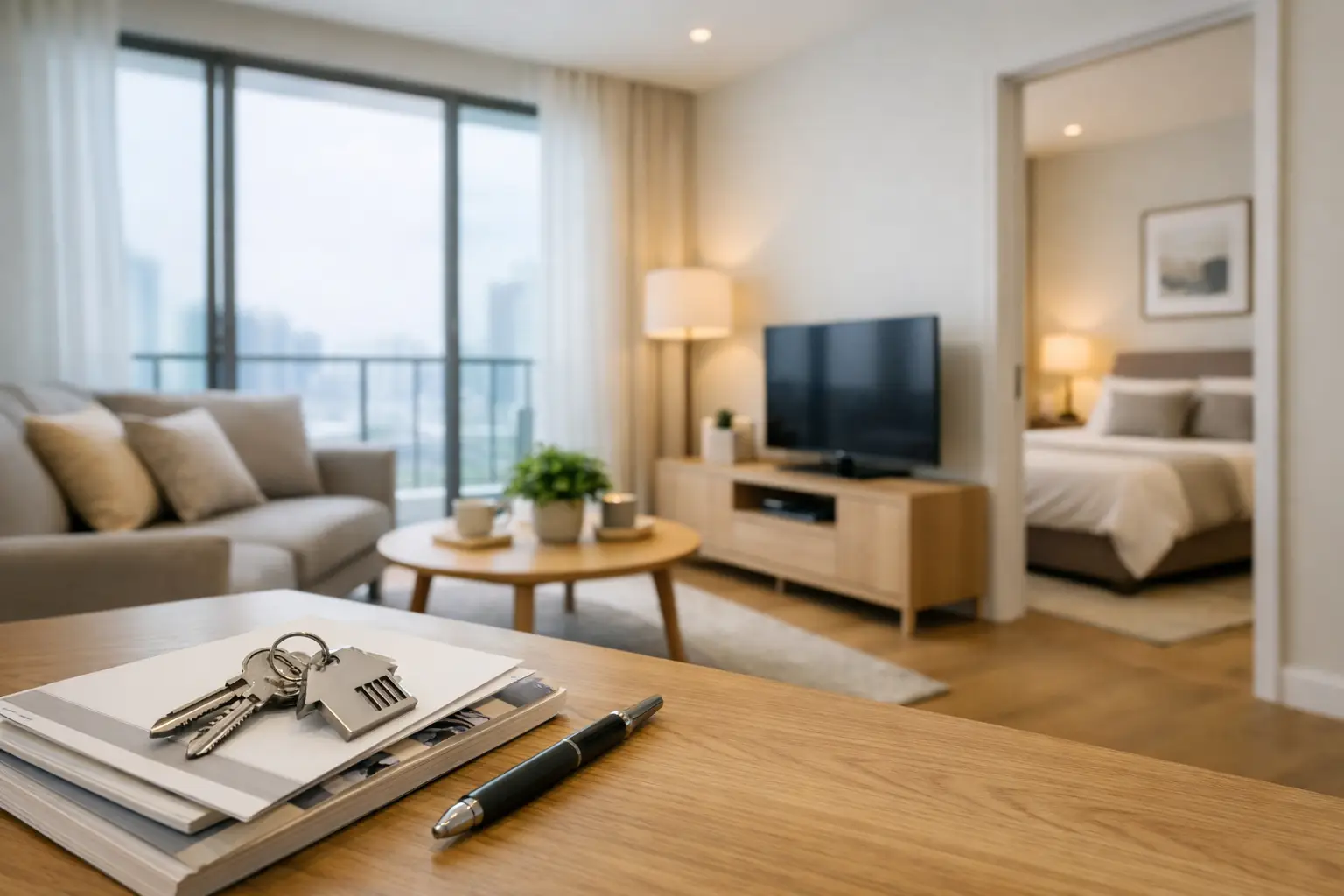
A vacant unit can look larger than it really is, while an overfurnished one can make a perfectly good layout feel cramped. For landlords, a considered guide to landlord furnishing strategy starts with this simple point: furniture is not decoration alone. It helps prospective tenants understand how they would live in the home, whether they are viewing online or walking through the door.
In Singapore’s competitive rental market, tenants often compare several properties in a short time. A clean, functional and well-presented furnished home gives them fewer questions to answer for themselves. They can see where they will work, eat, rest and store everyday items. That clarity can support stronger enquiries and reduce the time a property sits vacant.
Start with the tenant and the tenancy
The right furnishing plan depends on who the property is intended for. A one-bedroom condominium near the CBD may suit a single professional or couple seeking move-in convenience. A larger family unit near schools needs more practical dining, storage and bedroom arrangements. A landed home may require a different level of durability and scale altogether.
Before selecting a sofa or bedframe, consider the expected tenant profile, likely rental period and target rent. Corporate tenants and incoming expatriates may place a high value on a complete, coordinated setup. They may expect a proper dining area, comfortable seating, quality mattresses and a functional work-from-home space. Tenants on shorter leases may favour convenience over highly personalised interiors.
It also helps to consider the property’s position in the market. A premium unit generally needs furnishings that feel proportionate to its rent and finish. This does not mean filling it with expensive statement pieces. It means choosing items with a clean design, comfortable proportions and a consistent standard across the home. For a more value-focused unit, practical furniture that photographs well and is easy to maintain may be the better commercial decision.
Decide what “furnished” should mean for your unit
There is no single furnished-rental checklist that suits every landlord. A lightly furnished property may work where tenants commonly bring their own belongings, while a fully furnished unit can appeal to people relocating with limited time and luggage. The key is to be clear and consistent in both the setup and the listing.
For most long-term furnished rentals, the essential pieces are straightforward: beds and wardrobes in the bedrooms, a sofa and coffee table in the living area, a dining table with suitable seating, and basic appliances where appropriate. Window coverings, lighting and practical storage also make a noticeable difference. A home can technically contain furniture yet still feel incomplete if tenants cannot see how the space works day to day.
Avoid furnishing every corner simply because the property has available floor space. Tenants need room to move, unpack and add personal items. In compact condominiums, a smaller dining table, streamlined sofa and furniture with clear legs can preserve a sense of openness. In larger homes, leaving a room empty is sometimes better than giving it an unclear purpose. If a spare room is likely to appeal as a study, present it as one rather than treating it as storage.
Prioritise the rooms that influence decisions
The living room, primary bedroom and dining area usually carry the greatest weight in listing photographs and first viewings. These are the spaces that establish the home’s overall standard. They should feel tidy, balanced and usable rather than overly styled.
Bedrooms need particular care. A correctly sized bed shows tenants how much circulation space remains, while bedside tables and soft lighting make the room feel considered. A bare bedroom can make dimensions difficult to judge. Equally, an oversized bed can suggest that the room is less practical than it is.
Where remote work is relevant, a simple desk and supportive chair can be a worthwhile addition. It signals that the landlord understands current living patterns without committing to a highly specialised design.
Choose durable furniture with a neutral point of view
Rental furniture has to work harder than furniture chosen for a private home. It should withstand regular use, be straightforward to clean and remain attractive across different tenant profiles. Neutral colours, simple silhouettes and materials that cope well with everyday living tend to have the longest useful life.
This is not an argument for making every room bland. Texture is useful: a rug, cushions, artwork and a small amount of greenery can make a property feel warmer in photographs and viewings. However, highly personal colours, fragile finishes and trend-led pieces can narrow the home’s appeal or create avoidable replacement costs.
Look for upholstery that is practical to maintain, dining chairs that are comfortable but sturdy, and beds with readily available mattress sizes. Consider how easily each item can be moved through lifts, corridors and doorways. A beautiful piece that is difficult to deliver or replace may not be the sensible choice for a rental property.
A cohesive scheme matters more than matching furniture sets. Aim for a calm combination of wood tones, neutral fabrics and a small number of considered accents. This helps tenants picture their own belongings in the space, while giving the listing a more polished and dependable appearance.
Buy, rent or combine both approaches?
Buying furniture can make sense when a landlord expects to hold a property as a furnished rental for many years and has the time to source, receive, assemble and maintain each item. It offers full ownership and may be economical over a long period, provided the furniture remains suitable for future tenancies.
The trade-off is upfront cost and operational effort. Furniture has to be stored between tenancies if the unit is let unfurnished, repaired when damaged and updated when it starts to look tired. Coordinating multiple deliveries can also delay a launch date, particularly when a property needs to be ready quickly.
Furniture rental offers more flexibility. It can allow landlords to furnish a unit without committing capital to every item, and it is particularly useful for uncertain tenancy lengths, newly acquired investment properties or homes being prepared at short notice. Delivery, installation and collection are generally handled as part of an end-to-end service, reducing the number of moving parts for the landlord or agent.
A combined approach can work well too. A landlord may keep durable appliances or selected owned pieces, then rent the larger furniture package and styling items needed to create a complete presentation. The best choice depends on projected rental income, likely tenant demand, holding period and how much operational involvement the landlord wants to take on.
Plan for photos before the first viewing
A furnishing strategy should support property marketing, not begin after the listing goes live. Good photographs need visual order, natural light and a clear story from room to room. Furniture helps establish scale, but clutter, too many accessories or poorly placed items can undermine that benefit.
Prepare the home before photography by checking that curtains sit neatly, lamps work, cables are out of sight and surfaces are clear. Use each room for one obvious purpose. A dining table covered in paperwork or a bedroom used as an equipment store makes it harder for tenants to focus on the property’s strengths.
During viewings, practical details count as much as the overall look. Draw curtains where appropriate, switch on warm lighting in darker corners and ensure seating is arranged to allow easy movement. The aim is not to make the home look like a showroom. It is to make it feel ready for normal life.
Build maintenance into the arrangement
Landlords should record the condition of furniture at handover, ideally with dated photographs and a clear inventory. This protects both parties and makes it easier to assess fair wear and tear at the end of a tenancy. It is also sensible to keep instructions, warranty information and contact details for appliance servicing in one place.
Choose replaceable accessories and avoid making the setup dependent on one difficult-to-source item. If a dining chair, curtain or lamp needs attention between tenancies, a straightforward replacement keeps the unit looking consistent and reduces turnaround time.
For landlords who prefer not to manage these details, a furnishing partner can provide a more controlled route from planning to installation and eventual collection. Expats Partner, for example, can support furnished rental setups with curated rental furniture, practical space planning and coordinated logistics, including well-maintained pre-owned pieces where suitable.
The most effective furnishing decisions are rarely the most elaborate. They are the ones that make a tenant pause, understand the home immediately and feel that moving in could be simple.