

Yes, property condition changes achievable rent, often by a wide margin. A single visible fault, such as damp or an ageing heating system, can noticeably reduce the rent a tenant is willing to pay. Several serious issues together can lead to a substantial compounded discount. Conversely, a well-maintained, freshly presented unit often commands a premium against comparable listings nearby.
The strongest levers in rough order of impact:
- Damp, mould, and structural disrepair
- Heating and hot water reliability
- Kitchen and bathroom condition
- Energy performance (EPC rating)
- General cleanliness and presentation
Quick figures to anchor your thinking: tribunal practitioner guidance indicates visible damp typically results in a moderate rent discount and mould leads to larger reductions, while properties without central heating also face notable discounts. Superior condition and presentation often earn landlords a meaningful premium above the local average for comparable units.
Key Takeaways
| Point | Details |
|---|---|
| Single faults add up fast | Damp, poor heating, or a dated kitchen can each discount rent by 5 to 20%. |
| Multiple issues compound | Several serious issues together can lead to a substantial compounded discount. |
| Use comps plus condition adjustment | Pull 3 to 5 comparables, then apply a percentage adjustment for condition before setting rent. |
| Fix safety first, presentation last | Prioritise heating, electrics, and damp before spending on cosmetic upgrades. |
| Staging shortens vacancy | Expats Partner’s furniture rental and staging packages help landlords present move-in-ready units faster, without buying furniture outright. |
Tools and further reading for pricing decisions
- Local comp listings and recent lets, for realistic rent benchmarking.
- EPC guidance, to understand energy-rating rent effects.
- Tribunal disrepair guidance, for condition-based discount bands.
- A simple rent-estimate calculator, to combine comps with condition adjustments.
Table of Contents
- Which aspects of property condition actually move the rent
- Turning condition into a rent estimate using comps
- A 20 minute property condition audit before you list
- Which repairs and upgrades actually pay for themselves
- Pricing tactics based on where your property sits against comps
- How staging and furniture rental help you capture higher rent
- Getting your property rental-ready without buying furniture
- FAQ
Which aspects of property condition actually move the rent
Not every flaw carries equal weight. Tenants forgive cosmetic quirks far more readily than they forgive anything that touches safety, comfort, or running costs, so it helps to think in categories rather than a single vague “condition” score.
Structural safety and major systems sit at the top of the list. A broken boiler, faulty electrics, or a leaking roof will cost you more in rent than almost anything else, because tenants read these as deal breakers rather than negotiating points.
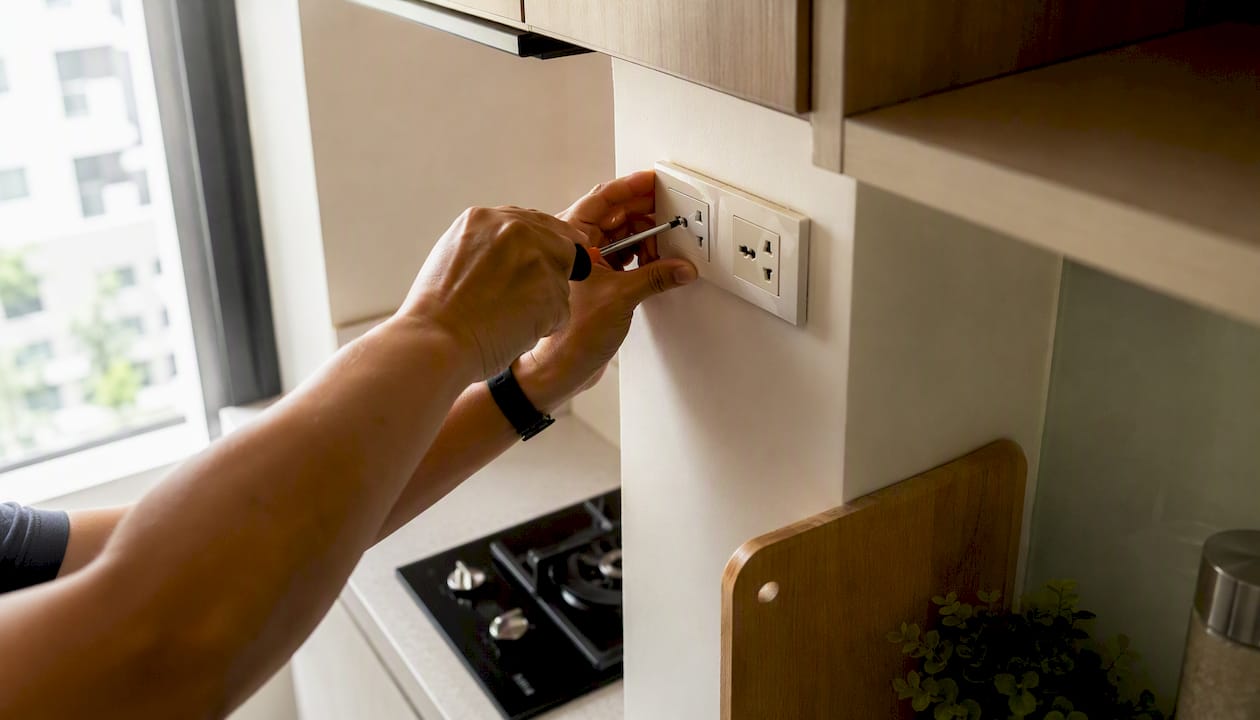
Interior finish matters too, though less dramatically. A dated kitchen or bathroom typically pulls rent down by 5 to 10%, while a genuine refresh can add a comparable premium in the right market. Finally, cleanliness and staging shape first impressions disproportionately: a scruffy, cluttered viewing can undo the value of good bones entirely.
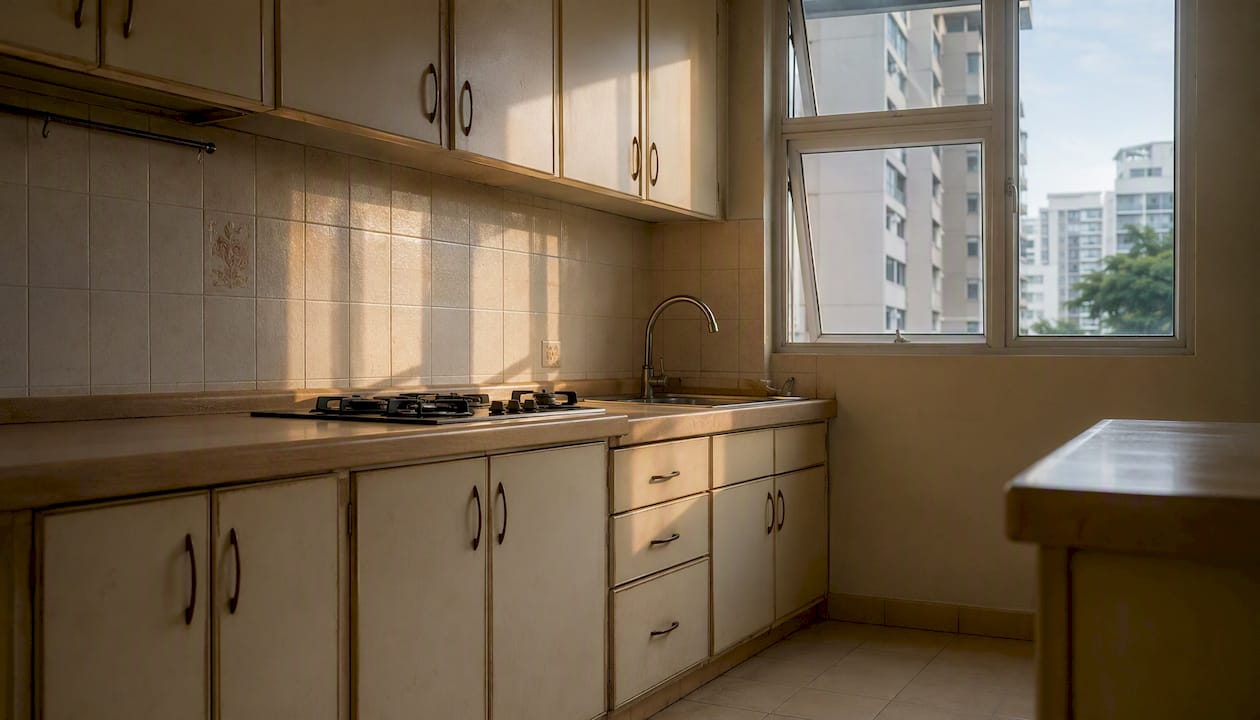
When multiple serious faults appear together, the discounts don’t simply add.
Pro Tip: Photograph every room, appliance, and fixture before each tenancy starts. Dated, timestamped evidence of condition is what protects your rent position if a tenant later disputes charges or a tribunal reviews market rent.
Turning condition into a rent estimate using comps
Pricing a listing properly means starting with the market, not with what you’d like to earn. The method is straightforward:
- Pull 3 to 5 close comparables, matched on bedrooms, size, and location as tightly as you can.
- Adjust for structural differences such as bedroom count and floor area, since these carry a measurable, positive effect on achievable rent in hedonic pricing studies.
- Apply a condition adjustment on top: a fresh renovation generally supports a moderate positive adjustment, a dated kitchen leads to a moderate negative adjustment, visible damp reduces rent significantly, and multiple serious issues can result in substantial discounts.
- Sanity-check against small fixed premiums for specific features, since updated kitchens or added conveniences often map to concrete monthly uplifts rather than vague percentages.
Once you’ve set a figure, test it. Track enquiry volume and days on market during the first one to two weeks of listing. If enquiries are thin, the market is telling you the condition-adjusted price is off, not that demand has vanished.
Holding firm on a mispriced listing simply extends your vacancy.*
A 20 minute property condition audit before you list
Run this before every new listing or renewal, ideally with photos in hand. It won’t replace a professional survey, but it gives you a fast, repeatable way to score condition and decide what to fix.
Score each area 0 to 2 (0 = needs urgent attention, 1 = acceptable, 2 = strong):
- Exterior and common areas
- Structure and major systems (roof, walls, windows)
- Wet rooms (bathroom, kitchen plumbing)
- Kitchen fixtures and surfaces
- Electrics and safety compliance
- Heating and hot water
- General presentation and staging
Add up your total out of 14, then match it to an action:
- 0 to 5 (poor): prioritise immediate safety and structural fixes before listing at any price.
- 6 to 10 (average): budget for modest upgrades, particularly kitchen, bathroom, or paint, before setting rent.
- 11 to 14 (strong): list with confidence, and consider a modest premium over comps.
Which repairs and upgrades actually pay for themselves
Not every improvement earns back its cost in higher rent. The trick is matching spend to what tenants actually notice and value.
- A full repaint typically costs relatively little and often supports a modest, immediate uplift in perceived condition.
- New carpets or flooring cost more but tend to shift a unit from “dated” to “move-in ready” in a tenant’s eyes.
- A kitchen refresh, rather than full replacement, cabinet fronts, handles, worktop, can close much of the gap that a dated kitchen otherwise costs you (5 to 10% of rent, as noted earlier).
- Fixing or replacing a temperamental boiler removes one of the biggest single deal breakers on any viewing.
- Furnishing a previously unfurnished unit can shorten vacancy meaningfully, since staged and fully furnished listings tend to let faster and can support a modest premium.
Pro Tip: Fix safety and comfort issues first, always. A gleaming kitchen won’t offset a boiler that keeps failing; tenants notice discomfort long before they notice design.
Pricing tactics based on where your property sits against comps
Once you know where your unit lands relative to local comparables, condition, and price, three broad postures apply.
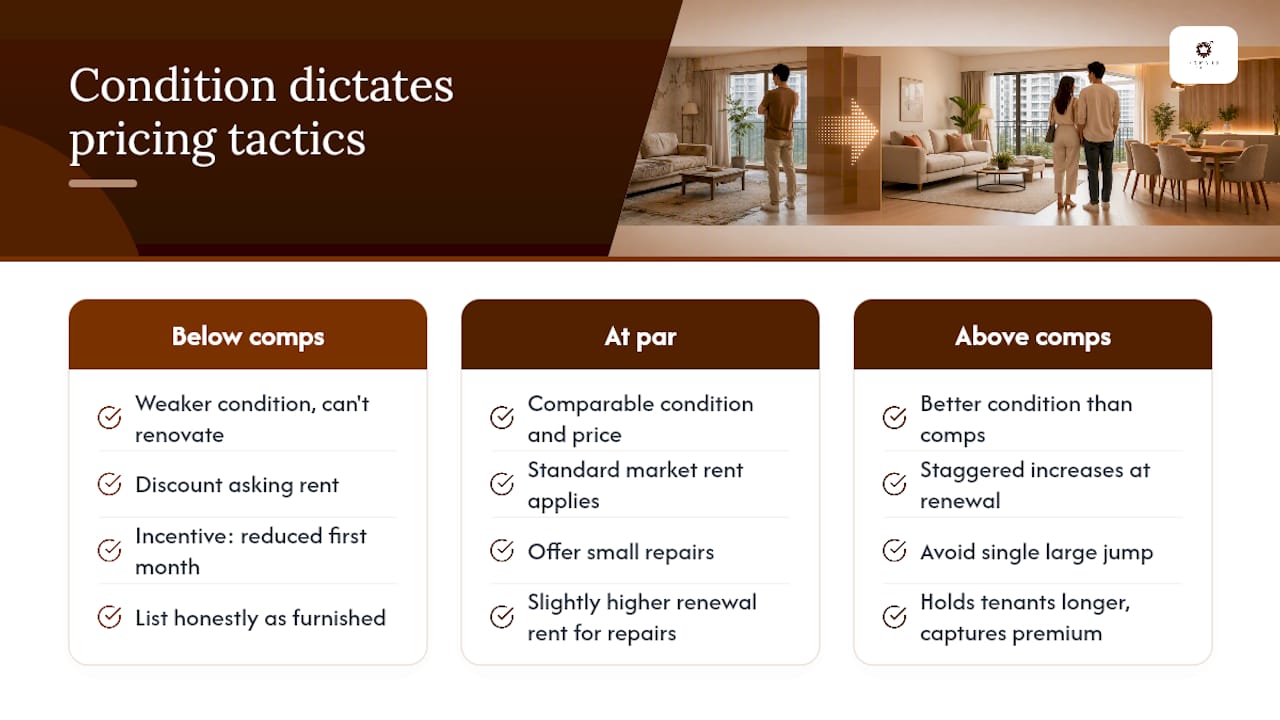
If your property is genuinely below comp condition and you can’t renovate before listing, be upfront: discount the asking rent to match, or offer an incentive such as a reduced first month rather than a permanent lower rent. Listing honestly as furnished with clear, well-lit photos often does more to offset weaker condition than the furniture itself.
If you’re roughly at par with comps, standard market rent applies, but consider small repairs offered in exchange for a slightly higher agreed rent at renewal, this tests tenant price sensitivity without a hard increase.
If you’re above comp condition, a staggered increase at renewal, rather than one large jump, tends to hold tenants longer while still capturing your premium. Timing matters too: listings that go live outside peak relocation season often need sharper pricing regardless of condition.
How staging and furniture rental help you capture higher rent
An unfurnished, tired-looking unit and a fully furnished, staged one rarely compete on the same terms, even at identical rent. Staged and furnished listings tend to let faster and support a modest rent premium, largely because tenants struggle to picture themselves in an empty or poorly presented space.
For landlords deciding between options: leaving a unit unfurnished suits long-term local tenants who bring their own belongings; owner-furnished suits mid-length lets but ties up capital in furniture that depreciates; full staging or a move-in-ready furniture package suits relocating expats and corporate tenants who value speed and convenience above all else. One landlord working with a furniture rental package on a vacant condo unit found that presenting it fully furnished, rather than empty, cut weeks off the typical vacancy period compared with the unfurnished listing that preceded it.
- Short-term rental furniture suits a single vacancy gap or a unit you’re testing furnished versus unfurnished demand for.
- A longer-term furnishing arrangement makes more sense once you’ve confirmed furnished lets consistently outperform on rent or turnaround.
Pro Tip: If you’re unsure whether furnishing pays off for your unit, rent for one tenancy cycle before committing to a purchase. It’s the lowest-risk way to test the furnished vs unfurnished question with real market data.
A landlord’s rule for prioritising limited budgets
Fix safety and legal compliance first, comfort and running costs second, presentation last. If you can only do one thing before listing, make the property warm, dry, and safe. Everything else is negotiable; that isn’t.
Getting your property rental-ready without buying furniture
Renovating a kitchen or fixing damp takes weeks and real capital. Getting a vacant unit looking lived-in and move-in ready doesn’t have to. Expats Partner works with landlords and property agents across Singapore’s condo, HDB, and landed home market to close the presentation gap fast, without the cost or hassle of buying furniture you’ll need to store or sell later.
Whether you need a full home staging package to shorten a stubborn vacancy, or a straightforward move-in-ready furniture package to attract relocating expat tenants who want to sign and settle in immediately, Expats Partner has real inventory, transparent pricing, and reliable delivery and collection built around landlord timelines. For a quick vacancy gap, short-term furniture rental lets you test furnished demand without a long-term commitment. Case examples and client feedback are available on request.
Get in touch with Expats Partner today for a quote on furnishing or staging your next vacant listing.
FAQ
Can my landlord increase my rent by 33%?
There’s no fixed legal cap on a rent increase in most private tenancies; the real test is whether the new figure matches genuine market rent for the property’s size, location, and condition. A jump that large usually only holds up if comparable units have moved significantly or the property has been substantially upgraded.
Will rental prices go down in 2026?
Rental price movement depends far more on local supply, demand, and interest rate conditions than on any single year. Condition remains one of the few factors a landlord can directly control regardless of which way the broader market moves.
Do tenants have to pay for wear and tear?
Fair wear and tear from normal daily living is generally the landlord’s cost to absorb, not the tenant’s. Genuine damage beyond ordinary use is different, and clear, dated photographic records from move-in help landlords and tenants agree on where that line sits.
What decreases property value the most?
Neglected maintenance compounds the damage over time, since small issues left unresolved tend to escalate into larger, costlier ones.