

Book your rental provider for collection as soon as your move-out date is confirmed, then complete a joint inspection against the original inventory before any item leaves the unit. Protecting your security deposit depends on three things happening in order: scheduled pickup within the handover window, dated photographic evidence, and complete tenancy paperwork ready to support a refund or, if needed, a Small Claims Tribunals application.
TL;DR:
- Book collection directly with the rental provider two to three weeks before lease end, and confirm lift, loading bay, and permit arrangements with building management.
- Use the original inventory to assess each room; without one, create dated photos and a video, since ordinary wear is generally permitted.
- Walk through with the landlord or agent before pickup, photograph items as they leave, and obtain a signed docket plus the provider’s receipt.
- For disputed deductions, request itemized repair evidence and compare it with your records; the Small Claims Tribunals hear tenancy claims up to $30,000.
Table of Contents
- Plan and schedule the collection
- Prepare the inventory and evidence
- Condition standards and minor repairs
- Day-of collection procedure
- Deposit timeline and dispute options
- How we make collection and handover easier
- FAQ
- Sources
Plan and schedule the collection
Booking the furniture provider several weeks before your lease end date gives everyone enough room to deal with building logistics that often derail a same-week collection. Lift lobby bookings, security clearance and loading bay access all take time to arrange in most Singapore condominiums and HDB blocks, and a rushed request in the final days frequently means waiting for the next available slot.
Responsibilities usually split along familiar lines in a Singapore tenancy:
- The tenant confirms the move-out date and books the collection directly with the rental provider.
- The corporate housing team, where one is involved, centralises communication between the tenant, landlord and provider.
- The landlord or managing agent confirms handover timing but rarely coordinates the physical collection themselves.
Before the collection day, notify your building’s management office or MCST, confirm whether a moving permit or lift booking fee applies, and get that approval in writing. Parking for the collection vehicle is worth confirming too, particularly in older HDB estates with limited loading bays.
Pro Tip: Email the building management office to confirm your collection slot, then forward that confirmation to your rental provider so both parties are working from the same timing.
Prepare the inventory and evidence
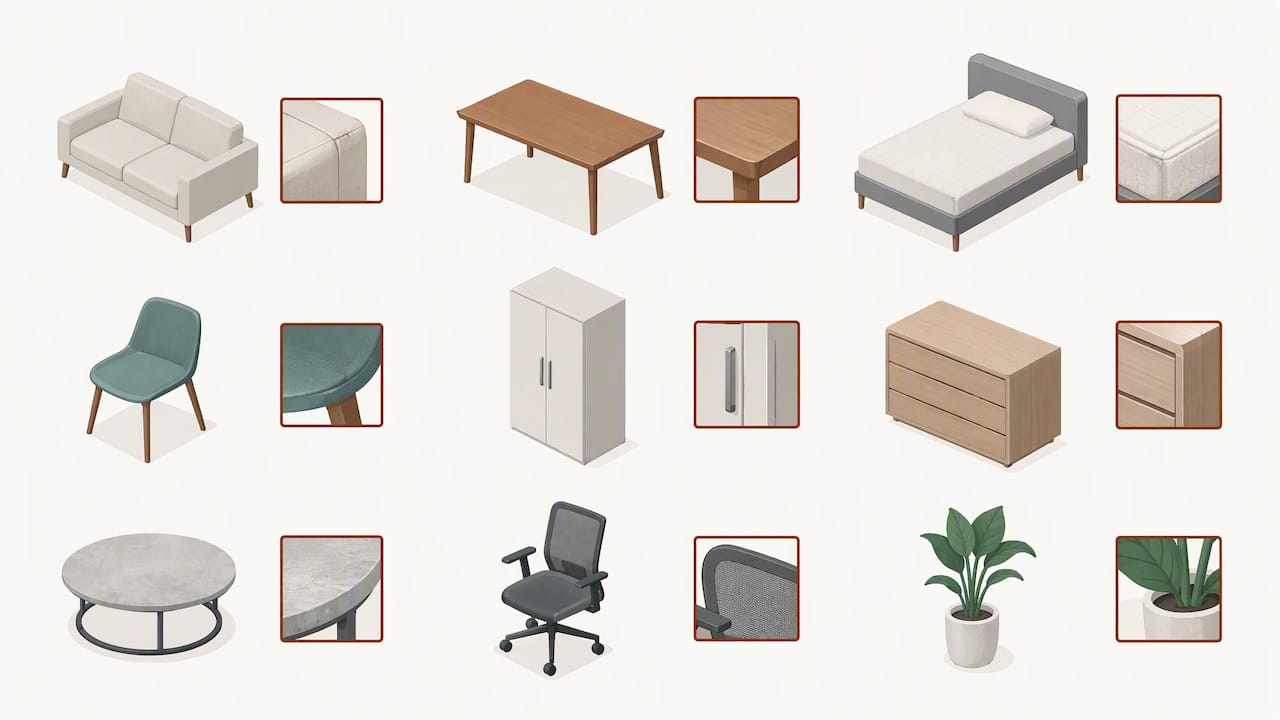
Your original move-in inventory or condition report is the benchmark for everything that happens at handover. If you were given one when you moved in, pull it out now and use it to check each room before the collection team arrives. If no formal inventory exists, build one yourself with time-stamped photos and a short video walkthrough of every room, cupboard and appliance.
The documents worth gathering together include:
- Your signed tenancy agreement and any inventory annexures attached to it.
- Receipts for appliances or furniture you purchased or had repaired during the tenancy.
- Invoices for professional cleaning or maintenance carried out before move-out.
- Email or message records of any condition issues raised with the landlord during the lease.
Most tenancy agreements require the property to be returned in the same condition as at the start, fair wear and tear excepted, with a detailed inventory and dated photos forming the strongest protection against disputes. Share everything with your landlord and provider through email attachments or a shared cloud folder rather than relying on verbal confirmation, since the Small Claims Tribunals process favours documented evidence over recollection. For more on how hygiene expectations factor into deposit decisions, our guide to furniture cleaning policy and deposit protection sets out what counts as reasonable condition at handover.
Condition standards and minor repairs
Fair wear and tear covers the gradual effects of ordinary living: slightly faded upholstery, light scuff marks on flooring, or a sofa cushion that has softened with use. Damage beyond normal use, such as burns, deep stains, broken frames or missing parts, is judged against your move-in inventory, which is why that document matters so much at the end of the lease.
A short list of tasks before collection day tends to reduce avoidable deductions:
- Arrange professional cleaning if your tenancy agreement specifies it.
- Replace any blown light bulbs and check that all appliances switch on and run normally.
- Patch small wall holes left by picture hooks or mounted fixtures.
- Photograph each completed repair and keep the invoice as proof.
If an item needs replacing rather than repairing, our piece on replacing worn furniture before handover walks through when that makes more sense than a patch repair.
Day-of collection procedure
Treat collection day as a formal handover, not a casual pickup. A short, ordered sequence keeps everyone accountable and leaves you with the paperwork you need if a dispute arises later.
- Walk through the unit with the landlord or agent before the crew begins, comparing each room against the inventory.
- Take time-stamped photos as each piece of furniture is removed, particularly around walls, flooring and fittings.
- Ask the collection crew to note serial numbers for any rented appliances on their manifest.
- Get a signed collection docket or handover confirmation from the landlord or agent on the spot.
- Request a receipt or confirmation document from the rental provider once everything is loaded.
Pro Tip: Keep your signed collection docket and the provider’s receipt in the same folder as your tenancy agreement. It is the first thing a Small Claims Tribunals officer will ask to see if a deduction is contested.
Deposit timeline and dispute options
Tenancy agreements commonly set out a window for returning the security deposit once handover is complete, though practices vary between landlords and agents, so keep every piece of documentation until the refund clears your account. Landlords commonly refund the deposit once handover is complete. Disputes over deductions can be taken to the Small Claims Tribunals for claims up to $30,000.[AskSG / Singapore Courts guidance on deposit refund and SCT]
If a landlord proposes a deduction, reasonable evidence to ask for includes:
- An itemised quote or invoice for the repair or cleaning being charged.
- Dated photos showing the damage or condition in question.
- A comparison against the original move-in inventory.
Should the dispute not resolve directly, the Small Claims Tribunals publish a guide listing the documents to file, typically the tenancy agreement, invoices and photographs. The tribunal looks for itemised costs and supporting documents rather than general assertions, which is exactly why the evidence gathered during collection matters so much. It is worth noting that estate agency work is generally considered complete once the tenancy is signed and handed over, and property management tasks like furniture logistics sit outside an agent’s regulated duties under Council for Estate Agencies guidance, so arranging collection directly with your rental provider avoids a gap nobody is responsible for filling. For a clearer picture of how deposit amounts and refund practices typically work in Singapore, this security deposit guide from a Singapore property consultancy covers the practical side in more depth.
How we make collection and handover easier
Delivery and collection are coordinated as part of rental agreements, so the pickup at lease end is arranged by the same team that furnished your home. Crews work from a standardised collection docket, so documentation needed for deposit protection is generated as part of the handover rather than having to be chased afterwards.
- A single point of contact for the whole rental period, from delivery through to final collection.
- Experienced collection crews who know how to work within building access rules and lift booking windows.
- Flexible rental durations and full-home packages that match typical Singapore lease lengths, from our Comfy, Family and Vital+ apartment packages to short and long-term options on our furniture rental pages.
Corporate housing teams managing several units at once can see how we support centralised procurement in our corporate housing furnishing guide. If your lease end is approaching, get in touch through our furniture rental services page to book a collection slot that fits your handover date.
FAQ
What is the normal notice period for furniture collection after lease end?
Most rental providers ask for two to three weeks’ notice before your lease end date so collection can be scheduled around building access rules and lift bookings. Confirming the date as soon as your landlord agrees to the move-out avoids a last-minute scramble for a slot.
Who is responsible for booking the furniture pickup, the tenant or the landlord?
The tenant, or the corporate housing team managing the lease, is normally responsible for booking collection directly with the rental provider. Landlords and agents confirm the handover date but typically do not coordinate the physical pickup themselves.
How do I protect my security deposit during furniture collection?
Complete a joint inspection against the original move-in inventory, take time-stamped photos as items are removed, and keep a signed collection docket from the handover. These records are what a landlord or the Small Claims Tribunals will look for if a deduction is disputed.
What happens if my furniture is damaged or missing at collection?
Document the issue with dated photos immediately and raise it with the rental provider before the crew leaves the unit. If the landlord withholds part of the deposit over it, an itemised quote and your original inventory are the evidence needed to support or contest the claim.
Can I claim a deposit dispute through the Small Claims Tribunals?
Yes, deposit disputes tied to a tenancy are within the Small Claims Tribunals’ scope for claims up to $30,000. The tribunal’s own guide lists the tenancy agreement, invoices and photographs as the documents to prepare before filing.
Sources
- AskSG / Singapore Courts guidance on deposit refund and SCT
- SCT guide to small claims (Singapore Judiciary)
- Council for Estate Agencies guidance on estate agency roles
- Tenancy handover and deposit deductions guidance