
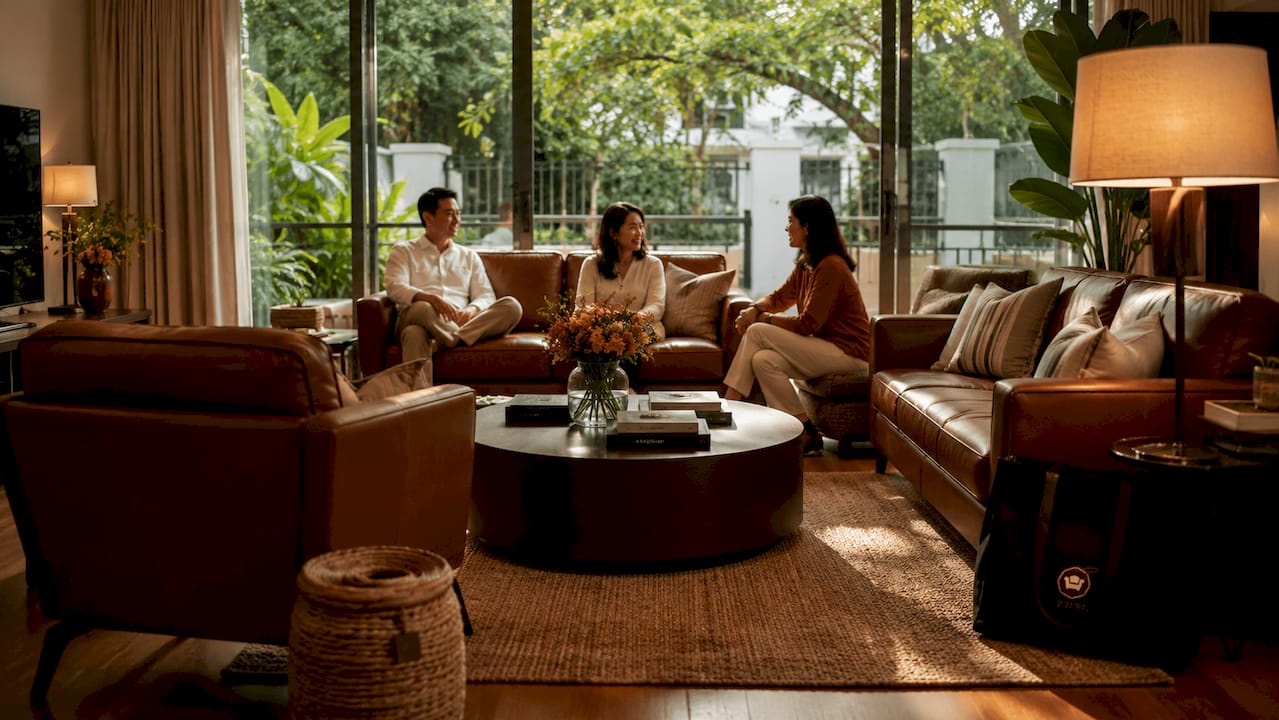
Increasing buyer interest for landed homes in Singapore requires a focused combination of strategic pricing, targeted promotion, and professional property presentation. The average landed home in Singapore is priced at approximately S$5.9 million, placing it well above the condominium average of S$2.13 million. That price gap means the buyer pool is narrow, affluent, and highly selective. Sellers who treat landed homes like standard residential listings miss the mark entirely. The methods that work here are deliberate, discreet, and built around the specific motivations of high-net-worth local buyers.
Who buys landed homes in Singapore and why does it matter?
Landed home buyers in Singapore are a distinct group. Understanding who they are shapes every decision you make, from how you price the property to where you promote it.
The primary buyers fall into three categories:
- Affluent Singaporean upgraders. These are established professionals or business owners moving from private condominiums into landed homes. They prioritise legacy, space, and long-term capital preservation over short-term yield.
- HDB upgraders with significant equity. A smaller segment, but present. These buyers have accumulated substantial gains from HDB resale transactions and are making a once-in-a-generation purchase.
- Local investors with redevelopment intent. Buyers who see older landed homes as blank canvases for rebuilding or subdivision, particularly in areas with favourable plot ratios.
Foreign buyers are largely absent from this market. The 60% Additional Buyer’s Stamp Duty applied to foreign purchasers effectively removes them from consideration. That policy concentrates demand among Singaporeans and Permanent Residents, which means your marketing must speak directly to local wealth motivations.
Easing interest rates in 2026 are creating an upgrade window for high-income earners. Lower borrowing costs support buying confidence, and affluent buyers are acting on it. This is the environment you are selling into.
How to price landed homes to attract serious buyers
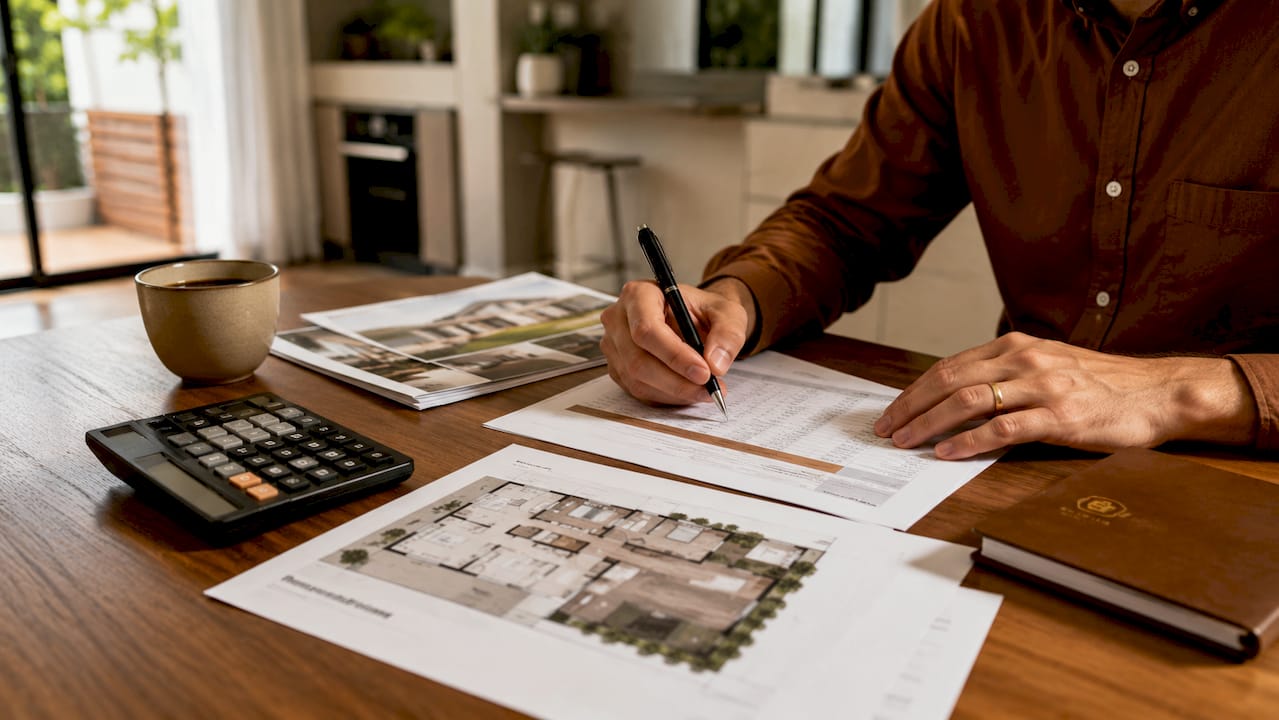
Pricing is the single most powerful lever you have. Set it wrong and you either leave money on the table or sit on a stale listing for months.
The correct approach is to price based on specific street comparables, not broad district averages. Two semi-detached homes in the same postal district can differ by 20% or more in value depending on their exact street, orientation, and plot shape. Buyers at this level know the micro-market. If your price does not reflect it, they will not engage.
Prioritise land area over built-up area in your valuation. A larger plot with an older house commands a higher price than a newer build on a smaller footprint, because the land is what holds and grows in value. Buyers with redevelopment intent think in terms of land cost per square foot, not construction quality.
Pro Tip: List at a price that reflects genuine market value from day one. Buyers at this level research thoroughly. An inflated asking price signals poor preparation, not negotiating room.
The first two to three weeks after listing carry the highest buyer interest. That window is when serious buyers are most active and most willing to move quickly. Pricing correctly from the start captures that momentum. Reducing the price later rarely recovers the same level of engagement.
Avoid prolonged public exposure at an aspirational price. Listings that sit for months lose credibility. Buyers begin to assume something is wrong with the property, even when nothing is. A firm, well-researched price paired with a willingness to negotiate within a reasonable range is far more effective than anchoring high and waiting.
What marketing techniques work for promoting landed homes?
Promoting landed homes effectively requires a digital-first approach built around high-quality visual media and precise audience targeting.
- Professional photography and drone footage. Ground-level photos do not capture the scale or setting of a landed home. Aerial drone footage shows the plot size, surrounding greenery, and neighbourhood context. These details matter to buyers comparing multiple properties.
- 3D virtual tours. Serious buyers often shortlist properties before visiting in person. A 3D walkthrough lets them assess layout, ceiling height, and flow before committing to a viewing. This filters out casual interest and brings in qualified prospects.
- Behavioural targeting on social media. Platforms like Facebook and Instagram allow you to target by income bracket, property ownership status, and browsing behaviour. A well-produced short-form video of the property, targeted at high-net-worth local audiences, reaches buyers who are actively considering an upgrade.
- “Coming soon” campaigns. Releasing teaser content before the official listing builds anticipation. It also allows you to gauge interest and collect enquiries before the property goes live, giving you a head start on the critical first-week window.
- Curated off-market listings. For properties above S$8 million, off-market distribution through trusted agent networks preserves exclusivity and prevents listing fatigue. Ultra-high-net-worth buyers often prefer discretion. Knowing a property is not publicly listed can itself create urgency.
The key principle across all of these is hyper-local relevance. Generic property content does not resonate with this audience. Content that references the specific neighbourhood, nearby schools, lifestyle amenities, and transport links speaks directly to what these buyers care about.
How does professional staging increase appeal for landed homes?
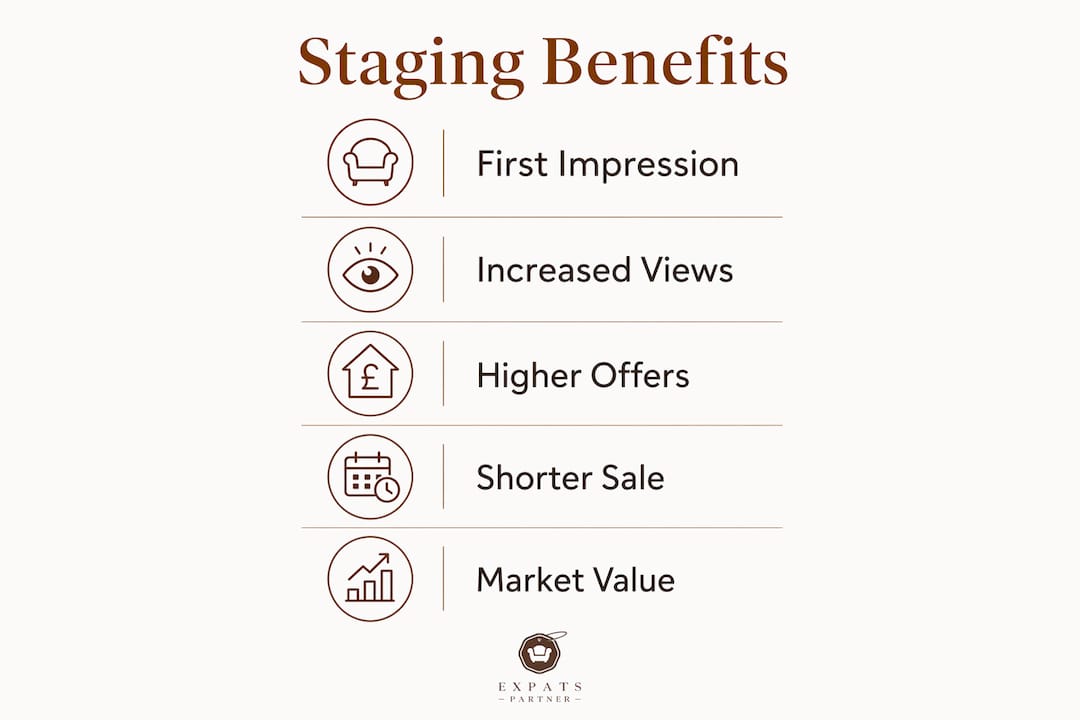
Professional property staging is the practice of furnishing and presenting a home to maximise its visual appeal and help buyers picture themselves living in it. Staged listings attract more buyer views and offers, and they spend less time on the market than unstaged equivalents.
For landed homes, staging serves two distinct purposes depending on the property’s condition:
Staging a move-in ready home
A well-maintained landed home benefits from furniture that reflects the lifestyle the buyer aspires to. Generous living areas, a well-appointed dining space, and calm, neutral bedrooms help buyers connect emotionally with the property. The goal is not to decorate. The goal is to make the space feel lived-in, warm, and easy to imagine as their own.
Key staging elements for this approach include:
- Decluttering and removing personal items so the home feels neutral
- Placing quality furniture that suits the scale of the rooms
- Addressing minor repairs such as scuffed walls, broken fittings, or worn flooring
- Ensuring the garden and entrance are clean and well-presented
Staging an older home as a blank canvas
Older landed homes in original condition are best positioned as redevelopment opportunities. Buyers with this intent are not looking for a perfect interior. They are assessing the plot, the structure, and the potential. Staging here means presenting the home as clean, accessible, and easy to evaluate. Remove clutter, clear the garden, and let the land speak for itself.
Pro Tip: You do not need to renovate before staging. A staged home without renovation can still present beautifully with the right furniture and minor cosmetic attention.
| Approach | Best suited for | Key focus |
|---|---|---|
| Move-in ready staging | Well-maintained homes | Lifestyle appeal, emotional connection |
| Blank canvas staging | Older or original-condition homes | Plot potential, redevelopment opportunity |
| Minimal staging | Vacant homes awaiting sale | Basic furnishing to avoid empty-home effect |
The 95% of buyers who begin their search online form their first impression from listing photos. A staged home photographs significantly better than an empty or cluttered one. That first impression determines whether a buyer requests a viewing.
What are common seller mistakes when trying to attract buyers?
Several avoidable mistakes consistently reduce buyer engagement for landed homes in Singapore.
- Overpricing based on district averages. Buyers at this level use street-level data. A price that ignores micro-market comparables signals that the seller is not serious or not informed.
- Neglecting digital presentation. Poor photography, no virtual tour, and a basic listing description are not acceptable at this price point. Buyers expect professional-grade visual content before they will consider a viewing.
- Listing publicly without a strategy. Placing a landed home on every portal simultaneously removes the sense of exclusivity. Curated off-market strategies preserve buyer urgency and prevent the property from becoming a familiar, ignored listing.
- Ignoring buyer motivations. A seller who presents an older home purely on its current condition misses buyers who are interested in redevelopment potential. Framing the property correctly for its most likely buyer type is not optional.
- Skipping staging entirely. An empty or poorly presented home is harder to price, harder to photograph, and harder to sell. Staging is not a luxury at this level. It is a practical tool that directly affects how quickly and at what price the property sells.
The pattern across all of these mistakes is the same. Sellers apply mass-market tactics to a niche, high-value product. The landed home market rewards precision and discretion. Every element of your approach should reflect that.
Key takeaways
Attracting serious buyers for landed homes in Singapore requires precise pricing, targeted digital marketing, and professional staging working together from the first day of listing.
| Point | Details |
|---|---|
| Know your buyer | Landed home buyers are affluent locals; foreign buyers are largely excluded by 60% ABSD. |
| Price on street comparables | Use micro-market data and prioritise land value to set a credible, competitive price. |
| Act in the first two weeks | Peak buyer interest occurs in the first 2–3 weeks; price correctly and market actively from day one. |
| Use professional staging | Staged homes attract more views and offers, and spend less time on the market. |
| Avoid public overexposure | Off-market and curated listings preserve exclusivity and prevent listing fatigue. |
What I have learnt from working with landed home sellers in Singapore
The sellers who achieve the best outcomes share one habit. They treat the property as a product that needs to be prepared, not just listed. That sounds obvious, but the majority of landed home sellers still skip staging, use average photography, and price based on what they hope to receive rather than what the market supports.
The off-market approach is genuinely underused. Sellers worry that fewer eyes on the listing means fewer offers. The opposite is often true. A discreet, curated introduction to a shortlist of qualified buyers creates a sense of scarcity that a public listing cannot replicate. I have seen properties receive stronger offers through a quiet agent network than through months of public exposure.
Visual media is where I would spend money first, before anything else. Buyers form opinions within seconds of seeing a listing photo. Drone footage, a proper 3D tour, and a well-staged interior are not optional extras at the S$5 million-plus price point. They are the baseline. Sellers who invest here consistently see faster and stronger results.
The framing of older properties as redevelopment opportunities is also worth taking seriously. A home that looks tired in photos can look compelling when positioned correctly for a buyer who intends to rebuild. Understanding which buyer type you are targeting, and presenting the property accordingly, is the difference between a property that sells and one that lingers.
Stay responsive to market signals. If enquiries slow after two weeks, that is feedback. Adjust the price, refresh the visual content, or shift the marketing channel. The market tells you what it thinks. Listen to it.
— Expats Partner
How Expats Partner supports landed home sellers with staging and furniture rental
Presenting a landed home at its best requires more than good intentions. It requires the right furniture, placed correctly, in a home that is clean, calm, and viewing-ready.
Expats Partner provides professional home staging and furniture rental services tailored specifically for landed homes in Singapore. Whether you need a full staging package for a well-maintained property or a minimal furniture arrangement to bring life to a vacant home, Expats Partner handles the logistics from delivery and setup through to collection. Sellers and agents can also explore home staging and furniture rental options that suit different budgets and timelines, with transparent pricing and real inventory available for short or long-term use.
FAQ
What is the average price of a landed home in Singapore?
The average landed home in Singapore is priced at approximately S$5.9 million, significantly higher than the condominium average of S$2.13 million.
Why are foreign buyers largely absent from the landed home market?
Foreign buyers face a 60% Additional Buyer’s Stamp Duty on residential property purchases in Singapore, which effectively prices them out of the landed home market.
When is buyer interest highest after listing a landed home?
Buyer interest peaks in the first two to three weeks after a property is listed. Pricing correctly and marketing actively from day one captures this critical window.
Does staging a landed home really make a difference to the sale?
Staged listings attract more buyer views and offers, and spend less time on the market than unstaged properties. Professional staging also improves listing photography, which is where most buyers form their first impression.
What is an off-market listing and when should I use it?
An off-market listing is a property promoted privately through agent networks rather than public portals. It is best suited to high-value landed homes where exclusivity and discretion are important to both the seller and the likely buyer.