
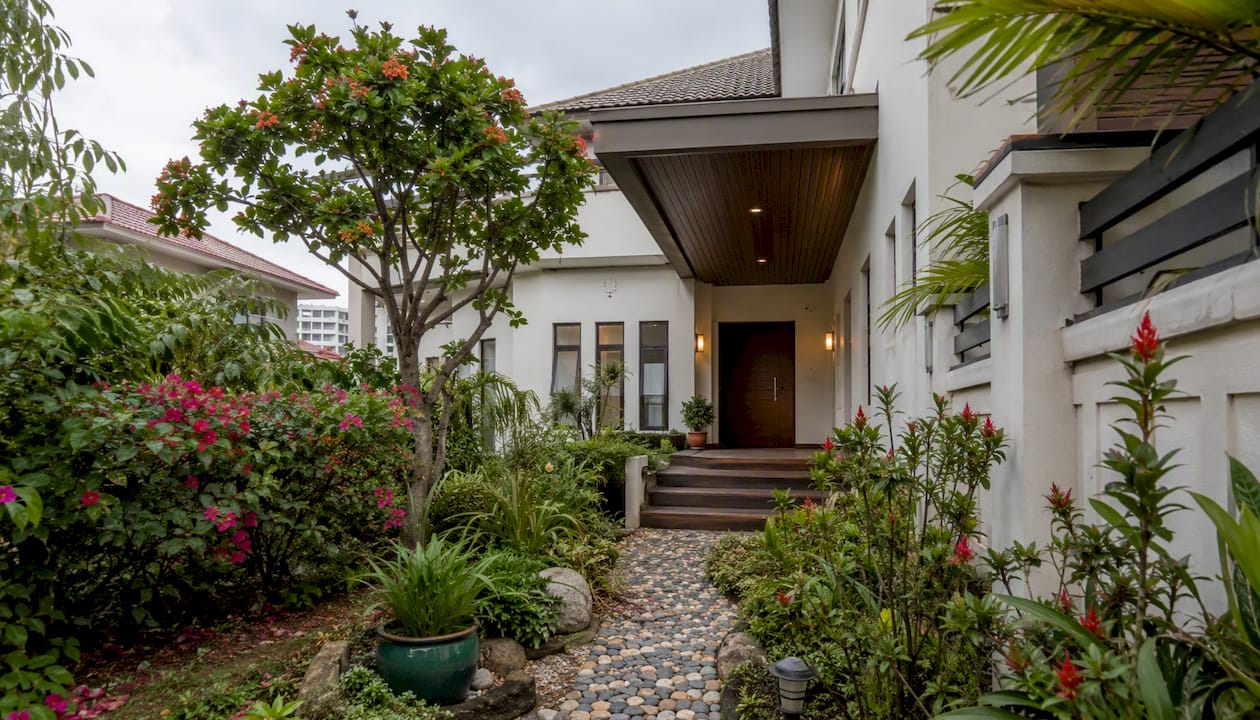
A professional lead photo, at least five quality images, clear floorplans, a concise mobile-first summary, and one short video are the fastest, highest-impact changes you can make to a landed home listing, as professional HDR photos, cinematic video, drone services and immersive 3D tours materially increase enquiry quality and sell‑through speed. Sellers who apply these fixes before going live consistently attract more clicks, more serious enquiries, and shorter time on market. Plan for one to two weeks of preparation and work through this checklist first:
- Book a professional photographer and schedule the shoot on a clear day, exterior first
- Declutter every room and remove personal items before the shoot
- Fix visible small defects: dripping taps, chipped skirting, loose door handles
- Tidy the front garden, driveway, and entrance; add fresh potted plants if needed
- Upload separate floorplans per storey with room dimensions clearly labelled
- Record or commission a short 60–120 second walk-through video or online viewing
- Write a punchy, mobile-first summary with 10 key feature bullets
Rightmove data shows listings with five or more photos receive around 11% more leads, those with floorplans receive around 12% more leads, and those with videos receive roughly 8% more views and 6% more leads. These uplifts can be achieved in a single preparation week.
Key takeaways
Prioritising professional listing media, a clean floorplan, and targeted presentation work delivers measurably more leads for landed homes than cosmetic renovation.
| Point | Details |
|---|---|
| Lead photo and 5 images | Listings with five or more photos receive around 11% more leads; check the lead photo on mobile before going live. |
| Floorplans per storey | Including a floorplan adds more leads; upload separately for each floor with room dimensions labelled. |
| Kerb appeal and declutter | Tidy the front garden, pressure-wash the driveway, and remove personal items before the photography shoot. |
| Short video or online viewing | Video adds more views and leads; drone footage is particularly effective for large landed plots. |
| Expats Partner staging support | Expats Partner offers flexible furniture rental and home staging packages for landed homes in Singapore, with short-term options suited to listing timelines. |
Table of Contents
- How do you boost kerb appeal for a landed home listing?
- How do you maximise light and perceived space inside?
- How do you neutralise, depersonalise, and stage a landed home?
- What photography and floorplan standards do landed listings need?
- How do you write listing copy that converts browsers to buyers?
- How do video and online viewings reduce time on market?
- Should you fix small repairs before listing, and when should you review pricing?
- Your ultimate listing checklist before going live
- What do the portal statistics actually tell sellers?
- Why arrange a professional home inspection before listing?
- How do you work with estate agents to get the best listing exposure?
- Why small presentation wins often beat costly renovations
- Staging your landed home for sale? Expats Partner can help
- Sources
- FAQ
How do you boost kerb appeal for a landed home listing?
Kerb appeal shapes a buyer’s first impression before they even click through to the gallery. For landed homes, the front elevation, driveway, and garden are visible in the lead photo and in street-view previews, so they carry more weight than they do for a flat.
Priority fixes to complete before photography:
- Lawn and hedges: mow, edge, and trim to a neat finish; overgrown greenery reads as neglect
- Driveway: pressure-wash to remove moss and staining; repair any cracked or sunken paving
- Front door: repaint or replace hardware (knocker, letterbox, house number); a fresh coat in a classic colour costs little and photographs well
- Gutters and fascia: clear blockages and repaint fascia boards if peeling; buyers notice these details
- Exterior lighting: replace broken fittings and add solar path lights to show the approach clearly
- Roof and brickwork: fix loose tiles and repoint any crumbling mortar; structural concerns deter buyers immediately
Low-cost additions that signal a well-maintained home include potted topiary flanking the entrance, a new welcome mat, and seasonal bedding plants along the path. None of these require a landscaper; a half-day of work reads as genuine care.
Pro Tip: Schedule exterior photography on a dry morning with soft overcast light. Harsh midday sun creates deep shadows on brickwork and washes out lawn colour. If you need to hire a gardener for a tidy-up, book them two days before the shoot so the grass has time to settle.
How do you maximise light and perceived space inside?
Light and declutter are the two fastest ways to increase perceived space in photos and during viewings. Landed homes often have rooms of varying sizes, and dark or cluttered spaces photograph poorly regardless of their actual dimensions.
Practical steps to apply room by room:
- Switch to bulbs with a high colour rendering index (around 90+) in all ceiling and lamp fittings; warm white at 2700–3000K reads as inviting rather than clinical
- Open all curtains and blinds fully before the shoot; remove heavy drapes entirely if they block natural light
- Place a large mirror on the wall opposite a window to reflect daylight into the room
- Remove small rugs that break the sight line across a floor; a single, well-sized rug reads better than several small ones
- Pull furniture away from walls slightly and reduce pieces to the minimum needed to show the room’s purpose
For neutral paint, warm white tones such as Dulux Timeless or Farrow & Ball All White photograph consistently well and work across different lighting conditions. Touch up scuffs and marks before the shoot rather than repainting entire rooms.
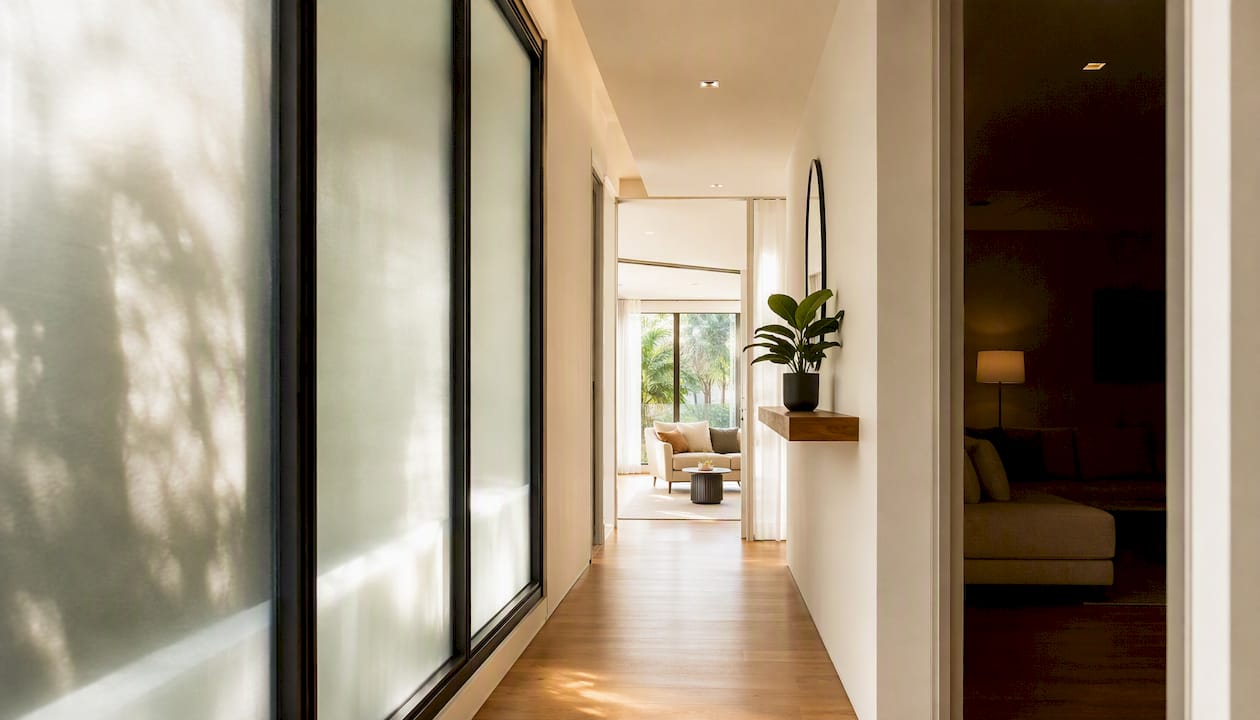
Dark hallways and small bathrooms need targeted fixes. A strip light above a mirror, a portable LED lamp on a console table, or a single strong focal point (a piece of art, a plant) draws the eye and prevents the space from reading as cramped.
How do you neutralise, depersonalise, and stage a landed home?
Depersonalising and neutralising allows buyers to picture themselves living in the property rather than feeling like guests in someone else’s home. For landed homes, staging decisions should spotlight outdoor living, parking, and plot frontage as key differentiators, not just the kitchen or bathrooms.
Interior actions to complete before viewings:
- Remove family photographs, religious items, and personal collections; following recurring practical tactics—hire a pro, stage, create a shot list, be honest and keep the presentation simple consistently improves listing performance.
- Box excess furniture and store it off-site; rooms should feel spacious, not sparse
- Style kitchen counters with one or two accessories only (a fruit bowl, a coffee machine)
- Create simple lifestyle vignettes: a reading corner with a lamp and a plant, a breakfast nook with placemats and a small vase
External staging matters just as much for landed homes. Tidy garden seating areas and show them as usable entertaining spaces. Highlight the driveway by parking cars away from the front during photography and viewings. Stage any outbuildings or utility rooms to demonstrate their use rather than leaving them as dumping grounds.
For large landed plots, virtual staging is a practical option for rooms that are empty or sparsely furnished. Physical staging remains the stronger choice for key rooms buyers will walk through: the living room, master bedroom, and main outdoor entertaining area. A staged listing versus an empty one consistently attracts more enquiries and shortlists.
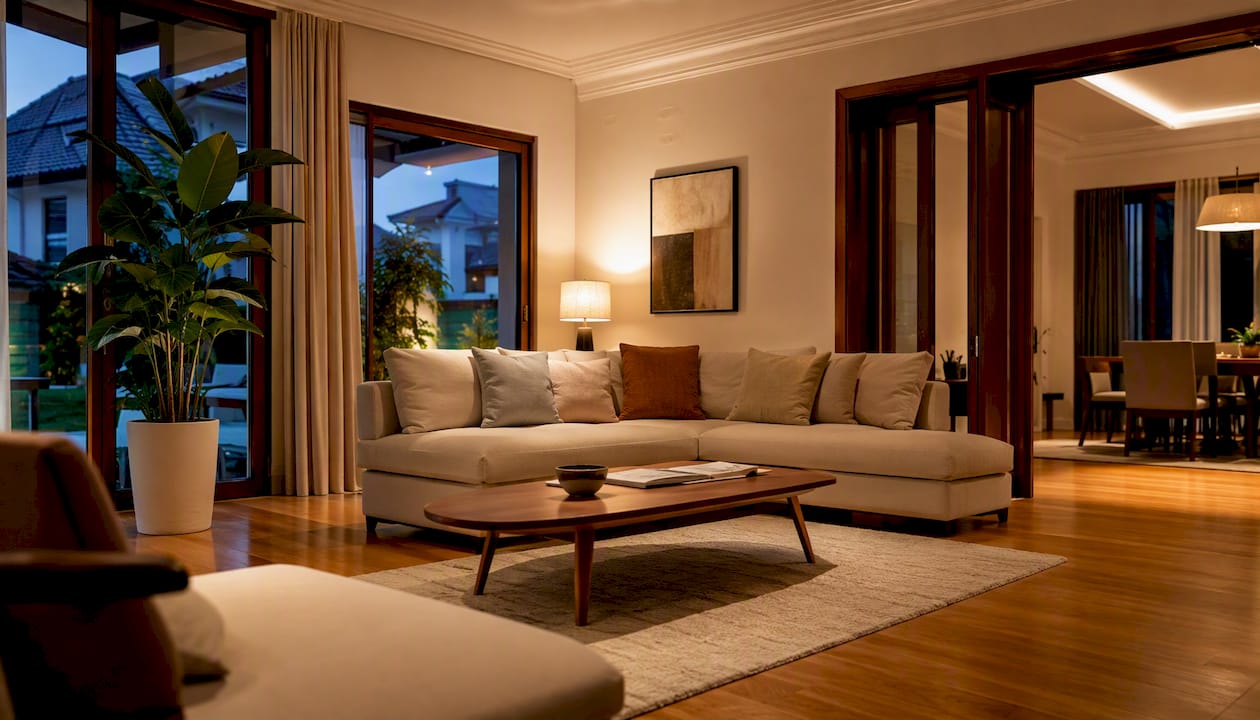
Pro Tip: Heritage or architecturally distinct landed homes benefit from staging that respects original features. Expose original timber floors, keep period cornicing visible, and choose furniture with clean lines that does not compete with the architecture. Neutralise the finishes around these features rather than covering them.
What photography and floorplan standards do landed listings need?
Professional photography and clear floorplans are non-negotiable for landed listings. Buyers form their first impression from the lead photo, and over 70% of Rightmove traffic is mobile, where only that first image is visible in search results. A weak lead photo loses the click before the buyer ever sees the floorplan or description.
Tactical rules for photography:
- Lead with the best exterior shot showing the full frontage, driveway, and garden
- Include at least five images: exterior, living room, kitchen, master bedroom, garden or entertaining area
- Shoot on a clear day; HDR or high dynamic range processing balances interior and window light
- Maintain consistent white balance across all images so the gallery reads as a coherent set
- Declutter every room before the photographer arrives; refer to the pre-photography decluttering checklist for a room-by-room guide
For floorplans, upload a separate plan per storey, label every room with its dimensions, and mark usable areas such as the garage, loft, and utility room. Place floorplans in the portal’s dedicated floorplan section so the floorplan icon appears in search results.
| Asset | Portal uplift |
|---|---|
| 5 photos | +11% leads (Rightmove) |
| Floorplan included | +12% leads (Rightmove) |
| Video included | +8% views, +6% leads (Rightmove) |
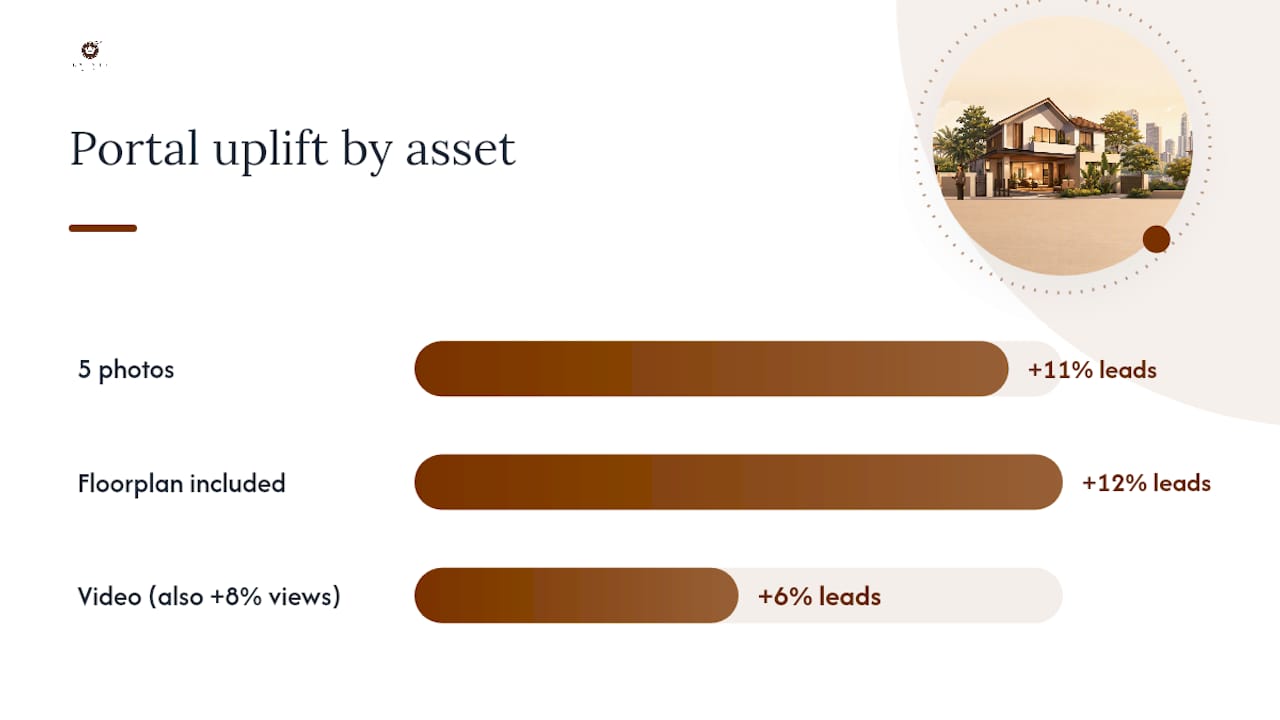
Photo file recommendations: shoot at a minimum of 2 megapixels, use a 4:3 or 16:9 aspect ratio, and check the lead photo on a mobile screen before going live to confirm it crops correctly.
Listings with five or more photos on Rightmove receive around 11% more leads than those with fewer images. For a landed home with multiple distinct spaces, five images is a floor, not a target.
How do you write listing copy that converts browsers to buyers?
A concise, benefit-led summary plus 10 clear key features increases clicks and shortlists serious buyers. Most buyers read the listing on a mobile device, so the first one or two lines must sell the lifestyle benefit before they scroll.
How to write the 10 key features:
- Number of bedrooms and bathrooms
- Land size and built-up area (state both in square feet or square metres consistently)
- Parking spaces and driveway capacity
- Garden size and outdoor entertaining areas
- Nearby schools, MRT stations, and amenities
- Special features: pool, heritage elements, outbuildings, solar panels
- Tenure and property type (freehold, leasehold, terrace, semi-detached, bungalow)
- Renovation status and age of key fittings
- Storage and utility provision
- Online viewing availability or virtual tour link
For the full description, expand each feature into a benefit rather than repeating the same information already shown in the portal’s data fields. Avoid duplicating bedrooms, price, or tenure in the description body; use that space for dimensions, lifestyle context, and agent contact details.
Common listing text mistakes to avoid: overuse of words like “stunning” and “immaculate,” missing room dimensions, repeating fields already populated elsewhere in the portal, and omitting the online viewing or video link.
How do video and online viewings reduce time on market?
Adding a short branded video or online viewing reduces unnecessary physical viewings and prioritises genuinely interested buyers. Cinematic video, drone footage, and 3D tours act as a 24/7 open house, filtering out casual browsers before they book a slot.
Recommended formats for landed homes:
- 60–120 second cinematic video: show the exterior approach, key living spaces, garden, and entertaining areas in sequence
- Walk-through smartphone video: a steady, narrated walk-through works well for social media distribution
- Drone footage: essential for large plots; shows the land size, garden layout, and neighbourhood context that ground-level photography cannot capture
- Matterport or 3D tour: allows buyers to self-navigate the property at any time, reducing the need for repeat viewings
On portals, label the online viewing clearly and include the video link in the listing materials. Call out unique features in the video commentary rather than saving them for the description. Use online viewing analytics to identify which buyers have spent the most time on the tour; these are your warmest leads and deserve priority follow-up. For more on timing and online viewing strategy, see how to sell your property faster in 2026.
Should you fix small repairs before listing, and when should you review pricing?
Fix small visible defects before listing. If presentation is correct but views remain low after the first two weeks, review the price rather than adding more cosmetic work.
Common fiddly jobs to complete pre-listing:
- Dripping taps and running cisterns
- Loose or cracked tiles (floor and wall)
- Creaking or stiff doors and sticking drawers
- Chipped skirting boards and scuffed door frames
- Garden drainage issues and blocked gullies
- Peeling paint on external walls or gates
On pricing, landed homes transact less frequently than condominiums, comparables are scarce, and valuation is bespoke, requiring bespoke valuation and targeted marketing because true comparables are scarce. Overpricing is a common mistake and causes properties to sit on the market, which in turn signals to buyers that something is wrong; indeed, overpricing and neglecting presentation or repairs are common, avoidable errors that reduce buyer interest and lengthen time on market. Use a comparative market analysis (CMA) based on recent landed transactions in the same street or estate, and adjust for land size, tenure, and condition rather than relying on asking prices.
Realistic timeline expectations: marketing and viewings for a landed home typically take 1–6 months; the full process from listing to completion commonly runs 4–8 months. Plan your refresh schedule accordingly. Most portals allow a relist or refresh after a set period; use this to reset the “days on market” counter if the listing has been live without a price change.
A pre-listing inspection by a qualified surveyor or building inspector covers structural condition, roof, drainage, electrical, and plumbing. Sharing the report with serious buyers reduces negotiation friction and builds confidence, particularly for older landed homes where buyers may be uncertain about hidden defects.
Your ultimate listing checklist before going live
Use this checklist in the 14 days before your listing goes live to confirm nothing is missed.
Day 14 to Day 7 (owner and agent):
- Confirm asking price using CMA and recent landed transaction data
- Complete all fiddly repairs and touch-up paintwork
- Book professional photographer and videographer; confirm shoot date
- Order pre-listing inspection if the property is more than 15 years old
Day 7 to Day 3 (owner):
- Deep clean the entire property, including windows, gutters, and outdoor areas
- Declutter all rooms; remove personal items and excess furniture
- Stage key rooms: living room, master bedroom, main outdoor area
- Tidy garden, pressure-wash driveway, and refresh entrance planting
Day 3 to Day 1 (photographer and owner):
- Professional photography shoot (exterior first, then interiors)
- Drone footage and video walk-through recorded
- Floorplans drawn or updated with room dimensions per storey
Day 0 (agent):
- Write summary copy and 10 key features; complete full description
- Upload all images, floorplans, and video to the portal
- Confirm online viewing label is active and video link is included
- Set a monitoring plan: review views and leads at Day 7 and Day 14; schedule first refresh if needed
For a detailed staging checklist for landed properties, Expats Partner’s guide covers room-by-room preparation with before-and-after examples.
What do the portal statistics actually tell sellers?
A small set of sourced metrics shows clear uplifts in views and leads for listings that follow portal best practice. These figures are worth quoting directly in conversations with your agent.
Rightmove’s own listing data shows:
- Photos: listings with five or more images receive around 11% more leads than those with fewer
- Floorplans: listings that include a floorplan receive around 12% more leads
- Video: listings with a video receive roughly 8% more views and 6% more leads
These uplifts are cumulative. A listing with strong photography, a floorplan, and a video captures all three effects simultaneously. For a landed home where the buyer pool is smaller and each lead is more valuable, the combined impact is material.
To use these figures with your agent, ask for a portal health report after the first week. If the listing is missing any of these assets, the data gives you a clear, evidence-based case for adding them before the first refresh. For more on how staging choices affect click rates, see how staging affects online listing clicks.
Why arrange a professional home inspection before listing?
A pre-listing inspection gives you control over what buyers discover and when. Rather than waiting for a buyer’s surveyor to flag issues during negotiation, you identify and address them first.
A thorough pre-listing inspection for a landed home should cover:
- Structural integrity: foundations, load-bearing walls, roof structure
- Roof covering: tiles, flashing, gutters, and downpipes
- Drainage: surface water, foul drainage, and any signs of damp or flooding
- Electrical installation: consumer unit, wiring condition, and earthing
- Plumbing: water pressure, pipe condition, and hot water system
- Timber: signs of rot, woodworm, or termite activity in floors and roof timbers
Once you have the report, address any items that fall within a reasonable budget and disclose the rest proactively. Buyers who receive a clean or well-documented inspection report negotiate less aggressively and proceed with greater confidence. For older landed homes, this step alone can shorten the time between offer and exchange.
How do you work with estate agents to get the best listing exposure?
Your estate agent controls how prominently your listing appears on portals, how quickly media is uploaded, and how well the listing copy represents the property. Choosing and briefing the right agent makes a measurable difference.
Practical steps for working effectively with your agent:
- Choose a landed specialist: agents who regularly transact landed homes understand bespoke valuation, buyer eligibility, and the longer sales timeline. Ask for recent comparable transactions, not just asking prices.
- Agree on media standards upfront: confirm that professional photography, drone footage, floorplans, and a video are included in the service before signing. Do not accept phone photography for a landed listing.
- Request a portal health check: ask the agent to share the listing’s performance data (views, saves, leads) at Day 7 and Day 14. Low views in the first week usually point to a pricing or media issue, not a market problem.
- Brief the agent on unique features: provide a written list of the property’s key selling points, including land size, tenure, parking, garden features, and any heritage or architectural details. Agents who understand the property write better copy.
- Discuss refresh timing: agree in advance when the listing will be refreshed or relisted if views are low, and what the trigger for a price review will be.
A well-briefed agent who specialises in landed homes will also know which buyer profiles to target and how to present the property’s outdoor and plot features, which are the primary differentiators for landed buyers.
Why small presentation wins often beat costly renovations
The conventional wisdom that sellers should renovate before listing rarely holds for landed homes. A full kitchen or bathroom renovation takes weeks, costs tens of thousands of pounds, and may not match the incoming buyer’s taste. Presentation work, by contrast, takes one to two weeks, costs a fraction of the price, and directly addresses what buyers see first: the listing media.
Landed homes have a narrower, more specific buyer pool than condominiums. Comparables are scarce, so perceived condition carries more weight in a buyer’s valuation than it does in a market with many similar properties. A well-presented, well-photographed landed home with a clear floorplan and a short video will attract more serious enquiries than a renovated home with poor listing media.
The practical implication is straightforward: spend on presentation before you spend on renovation. Professional photography, a day of staging, kerb appeal tidying, and a short video will return more per pound spent than a new kitchen that the buyer may strip out anyway.
Pro Tip: If you are deciding between a cosmetic renovation and a staging investment, ask your agent which buyers in your price range are more likely to renovate to their own taste versus move in as-is. For most landed homes above a certain price point, buyers plan their own renovation regardless. Staging for the listing is the better spend.
Staging your landed home for sale? Expats Partner can help
Sellers who need furniture for viewings, a fully staged living space, or a move-in ready presentation without the cost of buying new pieces have a practical option in Expats Partner’s home staging service in Singapore.
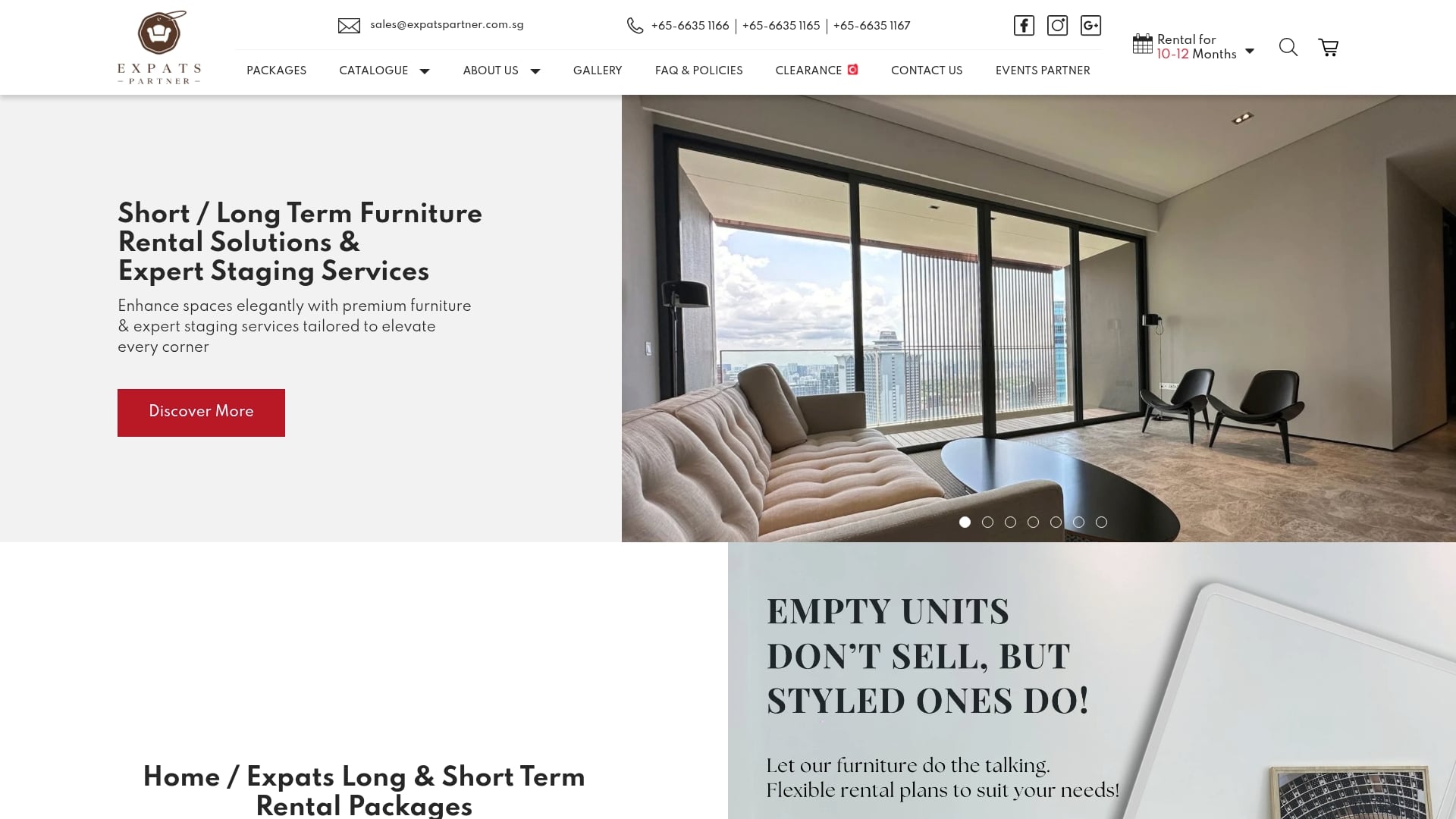
Expats Partner provides flexible furniture rental and professional home staging for landed homes, condos, and apartments across Singapore. For sellers on a tight timeline, the short-term furniture rental packages cover full-home setups with reliable delivery, professional arrangement, and collection once the sale completes. There is no need to buy, store, or dispose of furniture. The service suits owners who want a viewing-ready home quickly, agents managing multiple listings, and sellers who have already moved out but need the property to show well. Contact Expats Partner to discuss your listing timeline and get a clear quote for staging or furniture rental.
Sources
- Create the Ultimate (Rightmove Ultimate Listing guide)
- Selling Your Landed House: Full Process & Timeline (Updated 2026)
- Prop
- Selling Landed Property in Singapore: 5 Mistakes to Avoid
- 9 Proven Ways to Make Your Listing Stand Out – Trulia
FAQ
What makes a landed home stand out when selling?
Professional photography with at least five quality images, a clear floorplan for each storey, and a short video are the highest-impact changes, with Rightmove data showing uplifts of 11% more leads for five photos, 12% for floorplans, and 6% for videos. Strong kerb appeal and a decluttered, neutralised interior complete the picture.
What is the 14-week rule on Rightmove?
Rightmove’s portal data shows that listings which have been live for 14 weeks or more tend to receive significantly fewer views than newly listed properties. Sellers should plan a price review or relist before that point to reset buyer interest.
How do you make a property listing stand out online?
Lead with the best exterior photo, include five or more images, upload a floorplan, and add a video or online viewing link. Write a mobile-first summary with 10 clear key features and avoid duplicating information already shown in the portal’s data fields.
What devalues a house the most?
Visible maintenance issues such as damp, roof damage, and structural defects have the greatest negative impact on value. Overpricing relative to recent comparable transactions is the most common mistake for landed sellers and causes properties to sit on the market, which further reduces buyer confidence.