
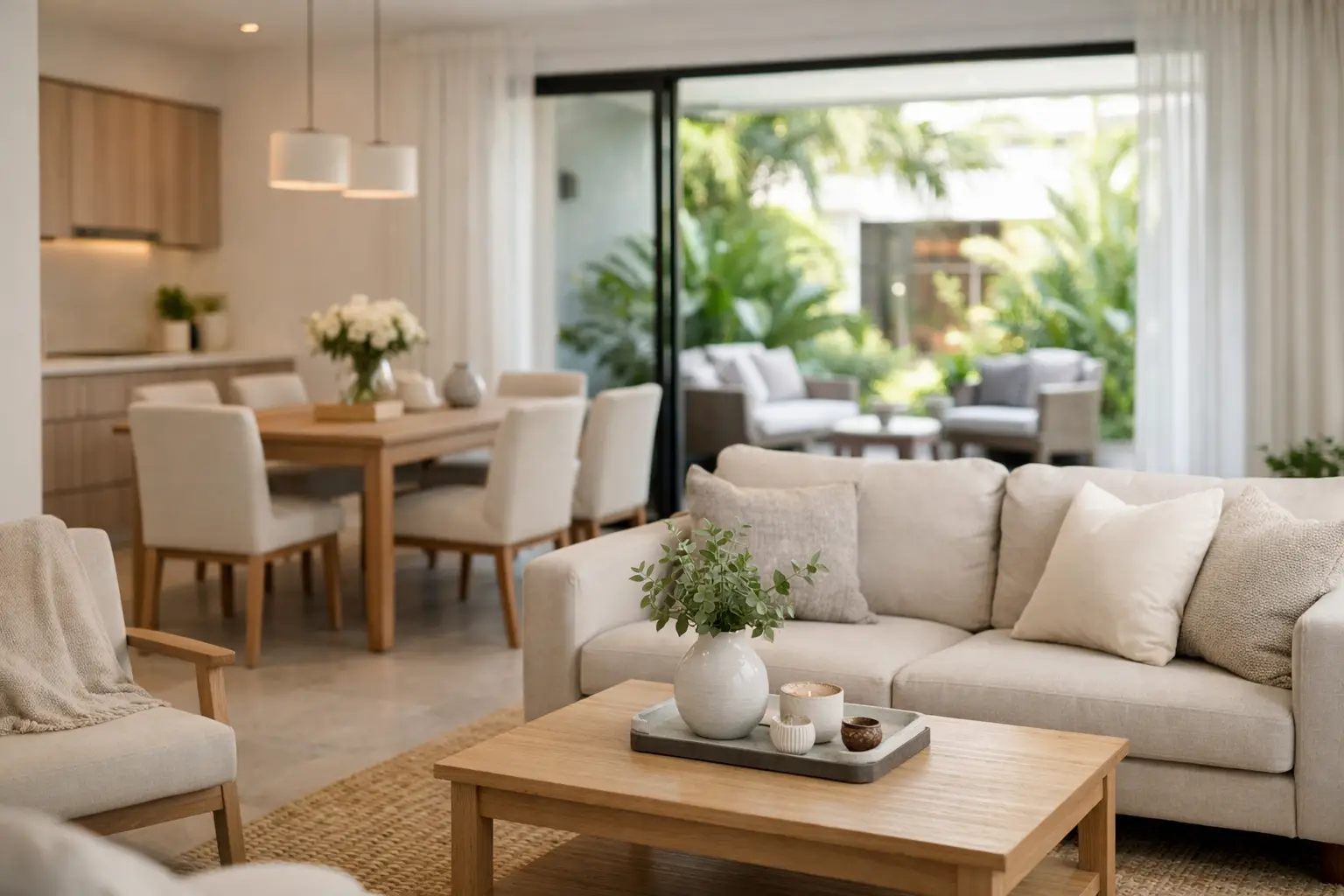
A landed home can impress within seconds – or feel too large, too personal, or too difficult to maintain. That is why knowing how to stage landed property matters. Buyers and tenants are not just assessing square footage. They are deciding whether the space feels easy to live in, worth the asking price, and ready for the next step.
Landed properties come with advantages that flats and condominiums do not. There is usually more space, more privacy, and more flexibility in how rooms are used. But those same strengths can become weaknesses if the home feels empty, dated, or unclear in purpose. A large family area without furniture can seem cold. An extra room with no setup can feel like wasted space. A generous outdoor area can look like work rather than value.
For agents, owners, and landlords, staging is not about decorating for decoration’s sake. It is a practical sales tool. Good staging helps people understand scale, movement, comfort, and lifestyle. It also improves photography, which is often where the sales process begins.
How to stage landed property with buyer behaviour in mind
The first step is to stop thinking like the current owner and start thinking like the next occupant. Most viewers do not walk through a landed property analysing finishes in detail. They react emotionally first. They notice whether the entrance feels welcoming, whether the living room feels balanced, and whether the bedrooms look proportionate. If those cues are missing, interest can drop before anyone starts discussing layout or price.
That is why staging should focus on interpretation, not just appearance. Every major space should answer a simple question: what happens here? In landed homes, this is especially important because there are often more zones to define – family room, study corner, upstairs landing, patio, helper’s room, guest room, and sometimes a second living area. When these areas are left ambiguous, viewers can struggle to picture daily life.
A staged setup gives each zone a job. It shows how furniture fits, how circulation works, and how much room remains. That balance is essential. Overfurnishing can make a house feel smaller. Underfurnishing can make it feel unfinished.
Start at the front, not the living room
In landed property, the viewing begins before anyone steps inside. The gate, driveway, porch, and main entrance shape expectations. If the exterior feels neglected, viewers may assume the same about the rest of the house.
This does not mean carrying out a major renovation before listing. Usually, the right approach is simpler. Clean surfaces thoroughly, remove unused items, trim planting, and make the entrance feel deliberate rather than accidental. If there is space for a small outdoor seating arrangement, it can help suggest a lifestyle benefit without overcomplicating the setup.
Inside, the entrance should transition smoothly into the rest of the home. Avoid crowding it with storage, shoes, family photographs, or decorative pieces that feel overly personal. The aim is to create a calm arrival experience that sets the tone for the viewing.
Prioritise the rooms that influence decisions most
Not every room in a landed property needs the same level of staging. If time or budget is limited, focus on the areas that carry the most weight in photos and viewings.
The living room usually comes first because it establishes scale and atmosphere. In a larger home, this room needs enough furniture to feel grounded. A well-sized sofa, coffee table, rug, and a few supporting accents can prevent the space from feeling hollow. The arrangement should emphasise conversation and openness, not fill every corner.
The dining area is next. Even a simple, clean dining setup can make the home feel ready for family life or entertaining. This is particularly useful in landed homes, where buyers often expect spaces that support both everyday use and hosting.
The main bedroom matters because it communicates comfort and proportion. A bedroom that is too bare can feel smaller than it is. A bedroom with the wrong furniture scale can make even a large room feel awkward. The goal is to show restfulness, not luxury for its own sake.
If the property has an extra family area, study, or upstairs landing, stage at least one of these flexible spaces with a clear purpose. That helps buyers see bonus value rather than spare square metres.
Use furniture to solve scale problems
One of the most common staging mistakes in landed homes is using furniture that is too small. It is understandable – owners may move out partially, or agents may try to make do with whatever is available. But small furniture in a large room can make the property feel emptier and less resolved.
The answer is not more furniture. It is better-proportioned furniture. A larger rug can anchor a seating area. A properly sized sofa can bring balance to a long wall. Occasional chairs can help define a zone without blocking movement. In dining spaces, the table should suit the room rather than look like a temporary placeholder.
This is where rental-based staging often makes practical sense. It allows a home to be furnished according to the space, without requiring the owner to buy, store, or transport items that are only needed for the listing period. For many sellers and landlords, that flexibility reduces both delay and unnecessary spend.
Keep the styling neutral, but not bland
Neutral styling is often misunderstood. It does not mean making a property feel lifeless. It means removing distractions so the architecture and layout can do their job.
In landed property, neutral staging works best when it adds warmth through texture and proportion rather than loud colour. Soft furnishings, artwork, lighting, and carefully chosen accessories can make a room feel considered without pushing a strong personal taste. This matters because viewers need to imagine their own life in the home, not feel as though they are visiting somebody else’s.
That said, neutral does not mean identical in every room. A family home may benefit from a slightly softer tone, while a more contemporary house can support a cleaner, sharper look. The right choice depends on the style of the property, likely buyer profile, and price point.
Do not ignore awkward spaces
Landed homes often include areas that are hard to interpret. A small landing, a wide corridor, a room beside the kitchen, or a sheltered outdoor corner can confuse viewers if left empty. These spaces do not need elaborate styling, but they do need purpose.
A simple desk can turn a spare corner into a work-from-home zone. A chair and side table can make a reading nook feel intentional. A compact outdoor arrangement can help buyers see potential in a patio or terrace. These small interventions can improve the overall reading of the home.
The key is restraint. If every corner is styled too heavily, the property starts to feel staged in the wrong way. The most effective setups feel natural and believable.
Prepare for photography and viewings together
A staged home should work just as well in person as it does online. There is little value in styling a room beautifully for photos if the layout feels awkward during a viewing. In practice, this means paying attention to sightlines, movement, and consistency across the property.
Before photography, check that each room has one clear focal point. Remove anything that interrupts the frame, including stray cables, bins, or excess decorative items. Curtains and blinds should support natural light rather than block it. If the property has multiple levels, make sure the style feels connected from floor to floor.
For viewings, think about the route people will take through the home. The strongest rooms should feel easy to access and easy to understand. If a space needs explanation, the staging has probably not done enough of the work.
When staging is worth the effort
Some landed properties need only light preparation. Others benefit from full staging, especially if they are vacant, recently renovated, tenanted with inconsistent furnishings, or targeted at a premium buyer or tenant profile. It depends on the condition of the home, the expected audience, and how much competition there is in the market.
What tends to remain true is this: empty space rarely speaks for itself. In larger homes, presentation shapes perceived value quickly. A well-staged property feels easier to choose because it reduces uncertainty. Buyers can picture how the home works. Tenants can see that it is ready. Agents can market it with more confidence because the visuals support the asking position.
For clients who want speed, clarity, and a setup that reflects the property properly, a service-led staging approach often saves time compared with piecing everything together separately. That is especially relevant in Singapore, where listing performance can shift quickly based on presentation and first-response interest.
Expats Partner supports that process through practical home staging and flexible furniture rental, helping larger homes feel ready for photos, viewings, and faster decisions.
A landed home does not need to look extravagant to perform well. It needs to feel clear, comfortable, and easy to say yes to.
Contact us now at: Kevin Chang – 80119753 sales@expatspartner.com.sg Sales Specialist