
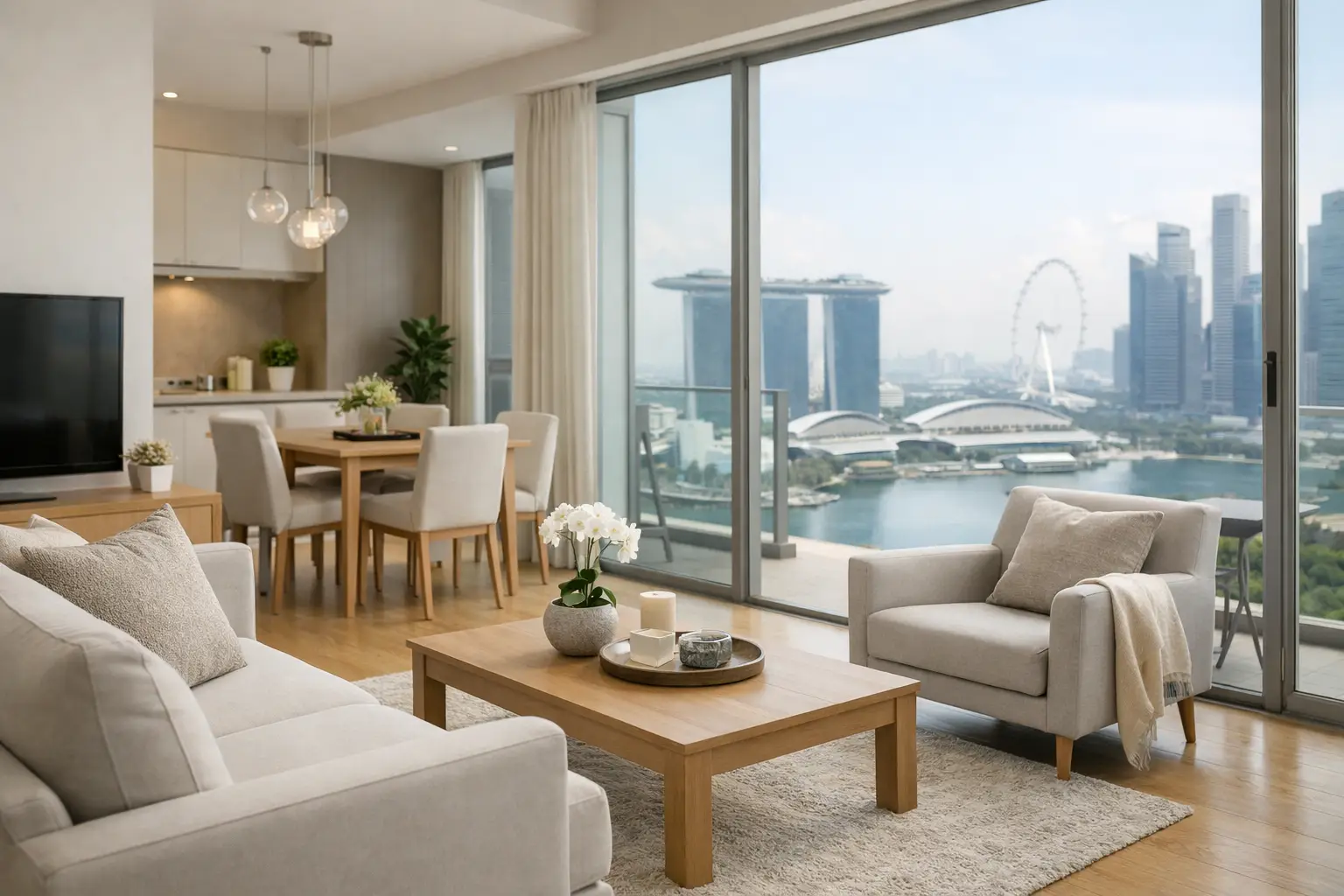
A vacant living room can look larger in person than it does in a listing photo, yet still leave buyers unsure where a sofa, dining table or television would fit. That gap between seeing a space and understanding how it could be lived in is why people ask, is property staging worthwhile? For many Singapore sellers, landlords and property agents, the answer is yes – provided the staging suits the property, the likely audience and the marketing timeline.
Staging is not about filling every corner with expensive furniture or making a home look like a showroom. It is a practical way to present rooms with purpose, improve the quality of marketing photographs and make viewings easier for prospective buyers or tenants to picture themselves in. The value comes from clearer presentation, not decoration for its own sake.
Is Property Staging Worthwhile for Your Listing?
Property staging is usually most worthwhile when a home is vacant, dated, cluttered or difficult to understand from its layout alone. In these situations, furnishings give buyers useful visual reference points. A properly sized sofa can show the scale of a living area. A dining setting can define an open-plan zone. A bed and bedside tables can help viewers see that a smaller bedroom is still functional.
This matters particularly in Singapore, where buyers and tenants often compare several properties in a short period. Online photos create the first impression, but a well-prepared viewing can be what makes a home more memorable. When rooms feel balanced, bright and liveable, visitors spend less time trying to work out the layout and more time considering whether the property suits them.
For agents, staging can also make a listing easier to market. Better images give potential viewers more reason to enquire, while a tidy and coherent property gives the agent a stronger setting for viewings. It does not guarantee a sale at a particular price or within a fixed timeframe, but it can remove presentation issues that may otherwise distract from the property’s genuine strengths.
What staging can change
The most immediate difference is often seen in photographs. Empty rooms can appear cold, narrow or disproportionate on camera, particularly where there are unusual corners, long corridors or open-plan layouts. Carefully selected furniture gives the eye a focal point and helps each image read clearly on a phone screen.
During viewings, staging helps visitors understand how spaces connect. A spare room may become a study, nursery or guest bedroom depending on the likely buyer profile. A compact balcony can feel like an extension of the living area when it is presented simply and appropriately. These are small decisions, but they reduce the amount of imagination required from a viewer.
Staging also creates a sense of care. Buyers may reasonably assume that a clean, orderly and thoughtfully presented home has been well managed. That impression should be genuine – staging cannot conceal maintenance problems – but it can ensure that avoidable visual clutter does not dominate the viewing.
When Staging May Not Be the Best Use of Budget
There are cases where full-property staging is not necessary. A newly renovated home with attractive built-in cabinetry, good lighting and a clear layout may only need a few pieces to give key rooms scale. An owner-occupied property with suitable, well-maintained furniture may benefit more from decluttering, rearranging and adding a few styling details than from replacing everything.
Budget should also be proportionate to the property and likely return. A home with a very short marketing period, or one already attracting strong interest, may need a lighter approach. Conversely, a vacant unit that has been on the market for some time could benefit from more considered staging if weak photographs or an impersonal viewing experience are holding it back.
The practical condition of the property comes first. No amount of furniture will compensate for poor lighting, visible damage, unpleasant odours or unresolved repair work. Addressing these issues before staging protects the investment and gives the finished presentation greater credibility.
Choosing the Right Level of Property Staging
A sensible staging plan starts with the property rather than a fixed furniture package. The layout, condition, target market and available timeframe should guide the decision. A family-sized landed home will need a different approach from a compact condominium intended for young professionals or an investor-owned rental unit.
For a sale listing, the priority is usually to make the main spaces easy to read. The living area, dining area, main bedroom and one flexible room often matter most. These are the spaces that establish the rhythm of the home and appear repeatedly in listing photographs. Secondary bedrooms, utility areas and balconies may need only simple treatment, depending on their condition and role in the viewing journey.
For a rental property, functionality has greater weight. Tenants want to know that the home supports everyday living, not merely that it photographs well. A furnished rental setup should consider practical seating, dining, storage, work-from-home needs and the expected lease period. Landlords may find furniture rental useful here because it avoids purchasing a full inventory upfront while still allowing the property to be presented as move-in ready.
Furniture should clarify, not crowd
A common concern is that furniture will make a smaller flat feel more cramped. This can happen when pieces are oversized or too numerous. Good staging does the opposite: it uses proportionate items, leaves clear walkways and avoids visual noise.
Neutral colours are often effective because they let natural light, flooring and built-in features take centre stage. That does not mean every room must be beige. Texture, greenery, cushions, artwork and soft furnishings can add warmth without forcing a highly specific style on the viewer. The goal is a welcoming home that feels plausible, not a space with too much personality for buyers to look past.
The Operational Value of Furniture Rental
For owners and agents, staging is not only a design decision. It is also a logistics exercise. Purchasing furniture, arranging delivery, assembling pieces, removing packaging and later selling or storing the items can quickly become time-consuming. This is especially difficult when a property needs to be photographed and launched within days.
Furniture rental offers a more flexible route. The furniture is selected for the property, delivered, installed and collected once the staging period ends. It can be a practical option for vacant homes, inherited properties, investment units and sellers who do not want to purchase furnishings for a short-term need.
At Expats Partner, the focus is on making that process manageable: selecting appropriate furniture, planning the rooms, coordinating setup and taking care of collection afterwards. Well-maintained pre-owned pieces can also be a more considered choice for a temporary requirement, reducing the need to buy items that may only be used for a few weeks or months.
How to Judge Whether the Cost Is Justified
Rather than asking whether staging always pays for itself in a measurable way, consider what it is designed to improve. Is the current listing failing to show the property’s size or layout? Are photographs flat, dark or empty? Is the home attracting viewings but not creating confidence once people arrive? Is a vacant unit taking too long to prepare for market?
If the answer is yes, staging may be a targeted marketing cost rather than an optional extra. It supports the work already being done to price, photograph and promote the property. The decision is strongest when it forms part of a wider plan that includes cleaning, repairs, lighting and accurate positioning for the intended audience.
It is also worth discussing the plan openly with the seller or landlord. Explain which rooms will be staged, why they matter and what the property needs to communicate. A clear scope keeps spending controlled and prevents staging from becoming a vague design exercise.
A Better First Impression Starts With Purpose
The strongest staged homes do not shout for attention. They simply make it easy for someone to walk in, understand the space and imagine an ordinary day there. That sense of possibility can be particularly valuable when buyers or tenants are making quick comparisons.
If a property feels empty, cluttered or difficult to photograph, thoughtful staging can give its best features room to be seen. Start with the rooms that shape the first impression, choose furniture that fits the scale of the home, and let practical presentation support the next step in the property journey.