
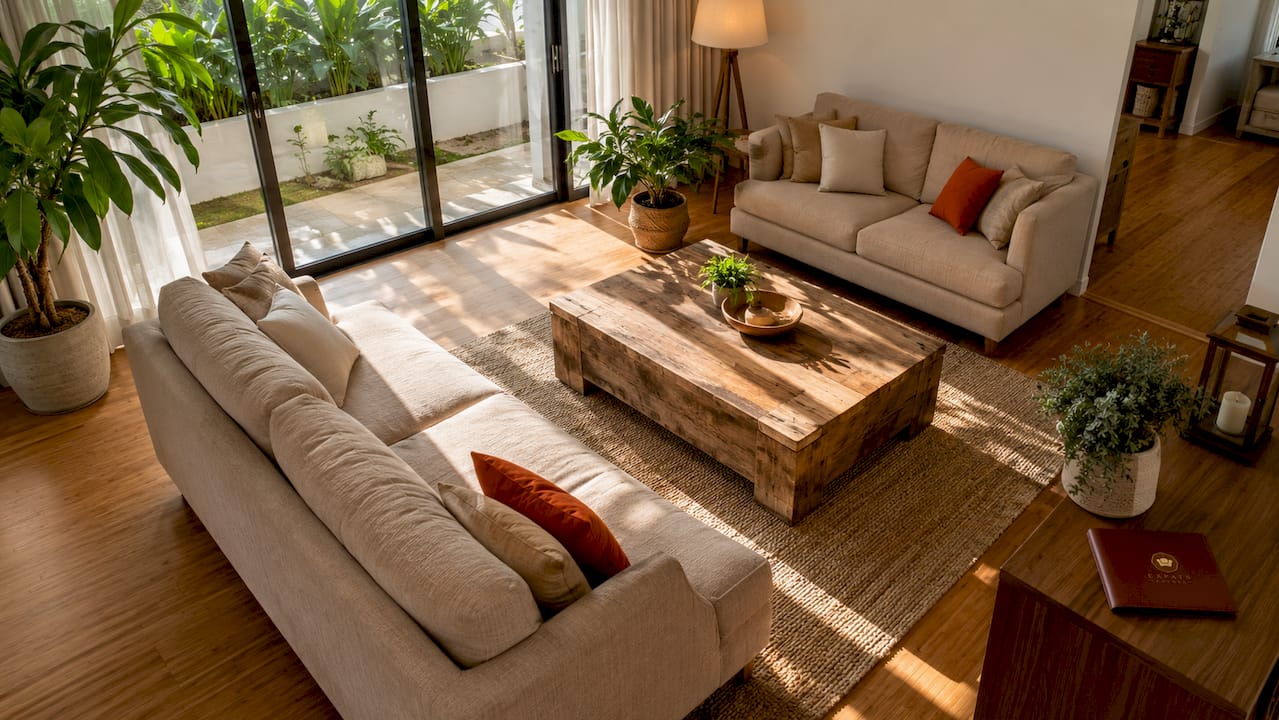
Landed property staging before sale or rental is the strategic process of preparing a home to showcase its best features, optimise space, and appeal to targeted buyers or tenants. Done well, it creates an emotional connection that drives faster decisions and stronger offers. According to the National Association of REALTORS, 83% of buyers’ agents report that staging helps buyers visualise the property as their future home, and staged homes sell 73% faster than unstaged ones. For landlords and owners in Singapore’s competitive property market, staging is not a luxury. It is one of the most reliable ways to protect and grow the value of a landed asset.
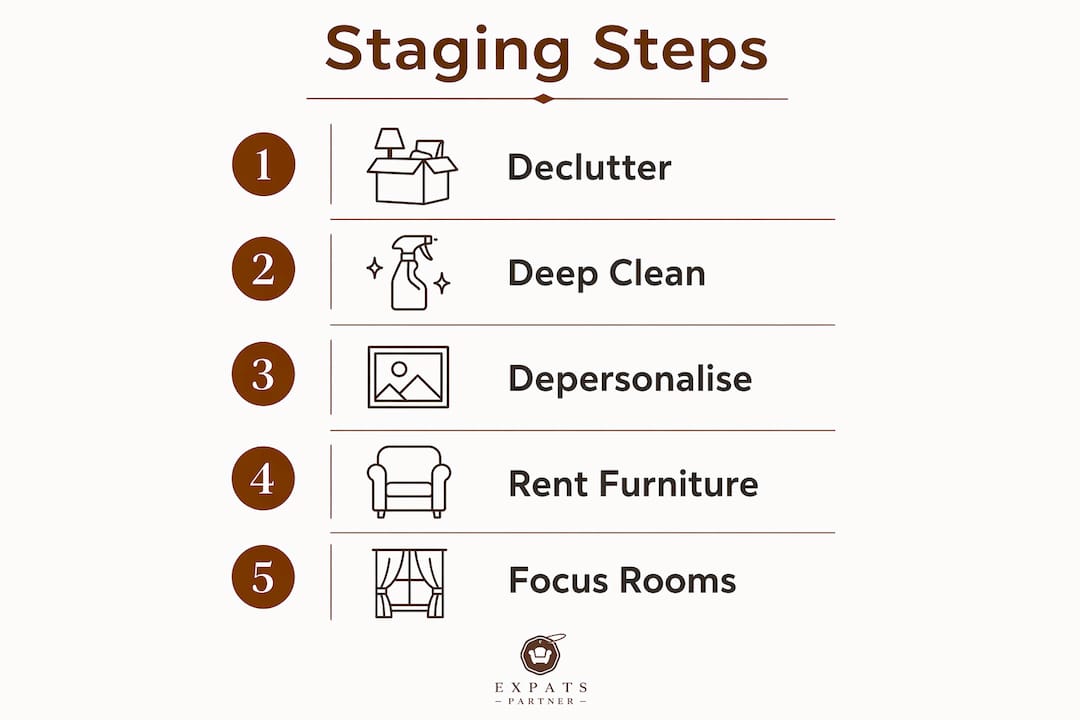
What does effective landed property staging require?
Effective home staging begins with two non-negotiable steps: decluttering and deep cleaning. Buyers and tenants are discerning, and cleanliness directly influences their perception of how well a property has been maintained. A spotless home signals care. A grimy one raises doubts about hidden issues, regardless of how attractive the furniture is.
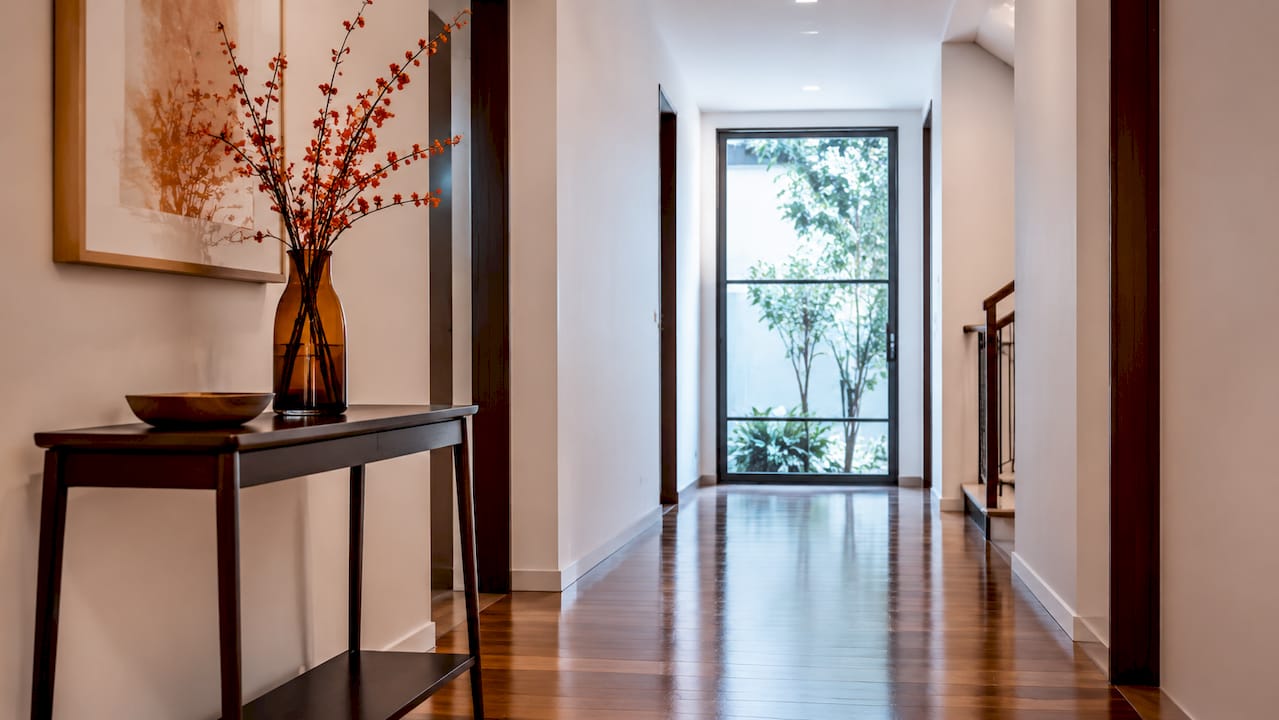
Depersonalising the space comes next. Packing personal belongings into off-site storage, rather than stuffing them into cupboards, is critical. Buyers open cupboards during viewings. Full closets read as a lack of storage, which is a deal-breaker for many. The goal is to present a neutral canvas that any viewer can mentally furnish with their own life.
For landed homes specifically, curb appeal carries significant weight. Power-washing driveways and landscaping the front garden create a strong first impression before a viewer even steps through the door. Mirrors placed near entryways can visually expand narrow corridors, a useful trick for terrace houses with tighter layouts.
The core toolkit for preparing a landed property includes:
- Neutral paint in warm whites or soft greiges to freshen walls without polarising viewers
- Lighting upgrades such as warm LED bulbs and additional floor lamps to brighten darker rooms
- Furniture rental for vacant rooms or to replace worn pieces with clean, neutral alternatives
- Plants and greenery to add warmth and life without personalising the space
- Cleaning supplies and minor repair materials for touch-ups, grout cleaning, and fixing loose fittings
| Staging item | Purpose | Approximate cost (SGD) |
|---|---|---|
| Neutral paint (per room) | Freshen walls, create neutral backdrop | $150–$400 |
| LED lighting upgrade | Brighten rooms, create warmth | $50–$200 |
| Furniture rental (per month) | Fill vacant spaces, replace worn pieces | $300–$800 |
| Plants and soft furnishings | Add warmth and texture | $50–$150 |
| Professional deep clean | Remove odours, restore surfaces | $150–$400 |
Pro Tip: Rent furniture rather than buying it for staging. You return it once the property sells or lets, avoiding the cost and hassle of reselling or storing pieces you no longer need.
How does staging differ for sale versus rental?
The staging narrative for a sale and a rental property are genuinely different, and conflating the two is a common mistake. Staging to sell focuses on aspirational lifestyle appeal. The goal is to make a viewer feel that this home represents the life they want. Furniture choices lean towards stylish, considered pieces. Colour palettes are calm and cohesive. Every room tells a story about how it could be lived in beautifully.
Staging to rent, by contrast, prioritises move-in readiness and practical functionality. Tenants want to know the property works for daily life. They assess storage, durability of finishes, and whether the layout suits their routine. Aspirational styling still matters, but it plays a supporting role to clear, practical presentation.
For owners staging to sell:
- Use aspirational furniture arrangements that suggest a lifestyle, not just a floor plan
- Choose soft, warm colour palettes that photograph well and feel welcoming in person
- Style outdoor areas such as the patio or garden as usable living spaces
- Highlight unique architectural features of the landed home, such as high ceilings or bay windows
- Remove all personal photographs, trophies, and family-specific décor
For landlords staging to rent:
- Prioritise clean, durable surfaces and fittings that signal low maintenance
- Show practical storage solutions clearly, especially in kitchens and bedrooms
- Keep furniture arrangements simple and functional rather than decorative
- Ensure all appliances are clean, working, and visible during viewings
- Stage the property as move-in ready to reduce tenant hesitation
The distinction matters because the wrong staging approach can send mixed signals. A rental property styled with overly precious décor may make tenants worry about damaging things. A sale property staged with purely functional furniture fails to inspire the emotional response that drives offers.
What are the most cost-effective staging techniques for landed homes?
Budget-conscious staging is entirely achievable without sacrificing quality. High-return staging focuses on three areas: deep cleaning, fresh neutral paint, and strategic lighting. These three steps alone can shift a property’s perceived condition from tired to well-maintained, and they cost a fraction of full professional staging.
Renting key furniture pieces, rather than buying them, is one of the most practical approaches for landed property owners. A neutral sofa, a dining table, and a bed frame can make vacant rooms feel liveable and proportionate. Expats Partner offers furniture rental for staged properties in Singapore, with flexible terms suited to the typical timeline between listing and completion.
Virtual staging is a third option worth considering for vacant properties. Virtual staging completes in under 24 hours and costs significantly less than physical staging. It works well for online listings where the goal is to generate viewing enquiries. The limitation is that physically vacant rooms can disappoint viewers who arrive expecting the styled version they saw online. A hybrid approach, using virtual staging for marketing images and renting a few key physical pieces for actual viewings, often delivers the best result.
| Staging approach | Estimated cost (SGD) | Best suited for | Limitation |
|---|---|---|---|
| DIY staging | $200–$600 | Occupied properties with good existing furniture | Time-intensive; results vary |
| Professional staging | $2,000–$6,000+ | High-value sale properties | Higher upfront cost |
| Virtual staging | $100–$400 per room | Online listing images | Does not help in-person viewings |
| Hybrid (virtual + rental) | $500–$1,500 | Vacant properties with active viewings | Requires coordination |
Pro Tip: Focus your staging budget on the living room, master bedroom, and kitchen. These three rooms have the greatest influence on buyer and tenant decisions. The staging approach for terraced houses in Singapore often prioritises the living room and entryway above all else.
How do you manage staging logistics and tenant considerations?
Staging a landed property that is currently tenanted requires careful coordination. Early communication with tenants is the single most important step. Tenants who understand the timeline and the reason for viewings are far more likely to cooperate with access requests and presentation standards.
A practical approach to managing staging with tenants in place:
- Notify tenants early. Give at least two to four weeks’ notice before the first viewing. Explain what staging involves and what you are asking of them.
- Agree on a decluttering standard. Work with tenants to identify items that should be stored away during the viewing period. Offer to arrange temporary off-site storage if needed.
- Schedule viewings at agreed times. Fix a viewing window, such as weekday evenings or weekend mornings, so tenants can plan around it without feeling their home is constantly being shown.
- Stage common and outdoor areas yourself. The front garden, driveway, and any shared outdoor spaces are your responsibility as the owner. Keep these consistently well-presented regardless of tenant cooperation.
- Conduct a pre-viewing walkthrough. Before each viewing, do a quick check of the property to confirm presentation standards are met. Address any issues before the agent arrives with viewers.
- Plan the transition clearly. Once a sale or tenancy agreement is signed, agree on a handover timeline that allows for furniture removal, final cleaning, and any remaining staging items to be collected.
Smooth logistics reduce stress for everyone involved. A well-managed staging process also signals professionalism to buyers and tenants, which reinforces confidence in the transaction.
What common staging mistakes reduce a property’s appeal?
Overcrowding is the most frequent staging error. Removing excess furniture creates breathing room and makes spaces appear larger and more inviting. The instinct to fill every corner works against you. Subtraction is almost always more effective than addition when it comes to staging.
Neglecting minor repairs is equally damaging. A dripping tap, a cracked tile, or a sticking door handle may seem trivial, but they signal deferred maintenance to buyers and tenants. These small issues raise larger questions about what else has been left unattended.
Common staging mistakes to avoid:
- Leaving personal photographs, certificates, and family memorabilia on display
- Using bold or highly personalised colour schemes that limit a viewer’s ability to imagine their own style
- Ignoring the entryway and front garden, which form the first impression
- Staging the interior while leaving the exterior untidy or poorly lit
- Failing to address odours from cooking, pets, or damp, which are noticed immediately
What good staging looks like in practice:
- Every room has a clear purpose and is staged to reflect that purpose
- Surfaces are clear, clean, and free of clutter
- Lighting is warm and consistent throughout the property
- Outdoor areas are tidy, with trimmed plants and a clean driveway
- The property styles well for viewings and photographs cleanly for online listings
Pro Tip: After your first two or three viewings, ask your agent for honest feedback. If multiple viewers comment on the same issue, address it immediately. Staging is not a one-time task. It responds to real market feedback.
Key takeaways
Effective landed property staging combines depersonalisation, targeted furniture choices, and consistent presentation to accelerate sales and rentals while protecting the property’s market value.
| Point | Details |
|---|---|
| Depersonalise thoroughly | Pack personal items into off-site storage so buyers can assess space honestly. |
| Stage differently for sale and rental | Sale staging prioritises lifestyle appeal; rental staging prioritises move-in readiness. |
| Focus budget on high-impact rooms | The living room, master bedroom, and kitchen deliver the strongest return on staging spend. |
| Manage tenant logistics early | Notify tenants well in advance and agree on viewing schedules to maintain presentation standards. |
| Avoid overcrowding | Removing excess furniture makes rooms feel larger and more appealing to viewers. |
What we have learned from staging landed homes in Singapore
Staging a landed property is not simply about making a home look attractive. It is about removing the friction between a viewer and a decision. The properties we see move quickly in Singapore’s market are not always the most expensively furnished. They are the ones where a viewer walks in and immediately feels at ease. Nothing jars. Nothing distracts. The space does the work quietly.
One observation that surprises many landlords: tenants in Singapore, particularly expats on corporate assignments, are highly attuned to move-in readiness. They are not evaluating the property as a project. They are evaluating it as a home they can step into within weeks. Staging that communicates “this is ready for you” closes faster than staging that communicates “this could be beautiful with the right touch.”
The other shift we have noticed in 2026 is that buyers are increasingly sophisticated about staging. They recognise it when they see it, and they appreciate it. A well-staged property signals that the owner is serious, organised, and respectful of the buyer’s time. That perception carries weight in negotiations.
Furniture rental has become a practical standard for vacant landed properties in Singapore. Buying furniture to stage a home you are about to sell makes little financial sense. Renting neutral, well-proportioned pieces for the duration of the listing period is cleaner, more cost-effective, and easier to manage. It also ensures the staging looks consistent and professional rather than assembled from whatever was left behind.
— Expats Partner
Staging your landed property with Expats Partner
Expats Partner works with landlords, property agents, and homeowners across Singapore to prepare landed properties for sale and rental. Whether you need a full home staging service or simply want to rent furniture for a vacant property during the listing period, the team can help you plan and execute a presentation that works.
Expats Partner’s furniture rental packages cover everything from individual pieces to full-home setups, with flexible terms that suit short listing periods and longer tenancy transitions alike. Pricing is transparent, delivery and collection are handled, and the inventory is real and available. If you are preparing a landed property and want a practical staging plan tailored to your timeline and budget, get in touch with Expats Partner for a consultation.
FAQ
What is landed property staging?
Landed property staging is the process of preparing a home for sale or rental by decluttering, depersonalising, and furnishing it to appeal to buyers or tenants. The goal is to help viewers imagine living in the space and to present the property at its best.
Does staging really help sell or rent a property faster?
Yes. Staged homes sell 73% faster than unstaged ones, and 83% of buyers’ agents report that staging helps buyers visualise the property as their future home.
How much does staging a landed property cost in Singapore?
Costs vary by approach. DIY staging with rented furniture typically runs SGD $500–$1,500, while professional full-home staging can range from SGD $2,000 to $6,000 or more depending on the size and scope of the property.
Should I stage differently if I am renting rather than selling?
Yes. Rental staging prioritises move-in readiness, practical storage, and durable presentation. Sale staging focuses more on aspirational lifestyle appeal and visual impact to generate emotional engagement.
Can I stage a landed property that still has tenants living in it?
Yes, but it requires early communication and agreed viewing schedules. Coordinating with tenants on decluttering standards and access times ensures the property is consistently well-presented without disrupting their daily routine.