
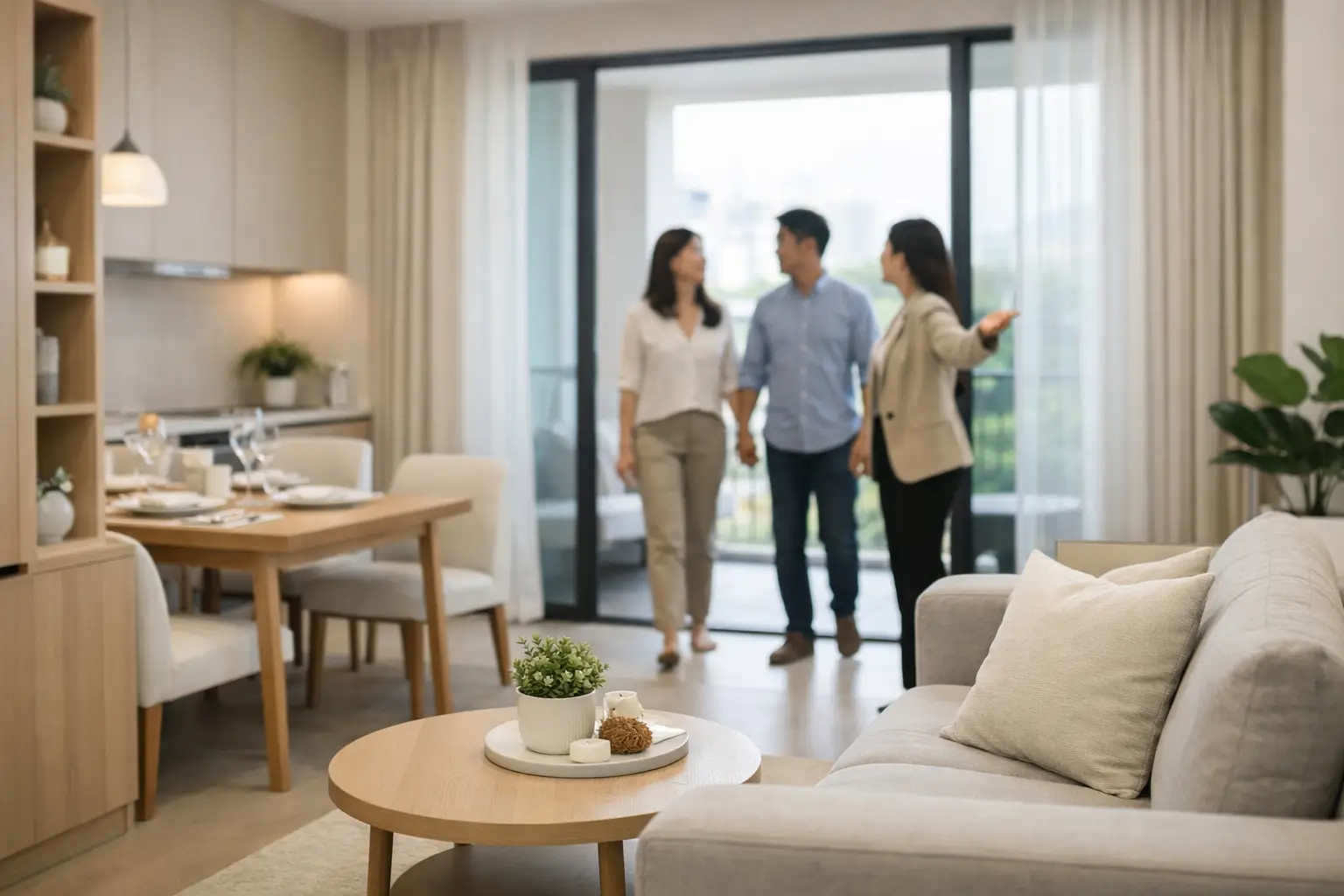
A buyer may spend only a few minutes in a property before deciding whether it deserves a second look. In Singapore’s competitive market, the preparation done before they arrive can shape that decision. If your brief is to prepare house for viewings, the aim is not to make it look like a showroom. It is to make each room feel clear, cared for and easy to understand.
For agents, sellers and landlords, this matters long before the first appointment. A well-presented home tends to photograph more convincingly, gives viewers fewer reasons to hesitate and helps them picture how they might live there. The most effective preparation combines practical maintenance with thoughtful styling – and it should suit the property, its likely audience and its price point.
Start with the first impression outside the front door
The viewing begins in the corridor, lift lobby or driveway, not the living room. Check the route a visitor will take and look at it as someone seeing the property for the first time. Remove clutter from outside the entrance, clear old parcels and shoes where possible, and make sure the door, gate and doorbell are clean and working.
Inside, the entrance should offer a simple sense of arrival. A narrow console, a mirror or one restrained plant can help define the space in a larger home, but only where there is room to move comfortably. In a compact flat, a clean, open walkway is more valuable than another decorative item.
Lighting also affects this first moment. Replace failed bulbs, open curtains and switch on lamps in darker corners before the viewing begins. Warm, even lighting makes a home feel more welcoming, while a dim entrance can make an otherwise good property seem neglected.
Prepare a house for viewings by removing visual noise
Most occupied homes contain too much information for a potential buyer or tenant to take in quickly. Family photographs, children’s artwork, paperwork, religious items, collections and tightly packed shelves may be meaningful to the owner, but they make it harder for visitors to focus on the home itself.
Depersonalising does not mean making the property cold. It means giving the next person enough mental space to imagine their own routines there. Keep a few carefully chosen accessories, such as cushions, a vase or a neatly arranged coffee table, but pack away items that dominate the room or reveal too much of daily life.
Clutter is especially noticeable in Singapore homes, where storage can be limited and rooms may be compact. Clear kitchen worktops, bathroom ledges, bedside tables and the dining table. If a room is used for storage, decide whether the stored items can be moved temporarily. Buyers will accept that a household needs storage, but a room filled with boxes is difficult to read as a usable bedroom, study or family area.
Make every room’s purpose immediately clear
A viewer should not need an explanation to understand the layout. If a spare room has become a store room, a laundry area and a home office at once, its potential is easily lost. Give it one clear purpose that is appropriate to the likely buyer or tenant.
In a two-bedroom condominium, a simple desk and chair can show the value of a work-from-home room. In a family-oriented landed home, a spare bedroom may be better presented as a child’s room or flexible guest room. For a rental property aimed at professionals, a practical study setup and a well-proportioned bed can make the unit feel ready to occupy.
Furniture is useful here because it demonstrates scale. An empty living room may look large in photographs but leave viewers unsure where a sofa, television and dining table would sit. Conversely, oversized furniture can make a good room feel constrained. Choose pieces that fit the proportions of the property and leave clear paths around them.
This is one reason vacant properties often benefit from temporary staging. The right rental furniture can define zones, soften empty corners and help buyers understand the lifestyle the home supports, without requiring an owner to purchase furnishings solely for the marketing period.
Clean thoroughly, then deal with the small defects
Cleaning is expected, but the standard for a viewing should be higher than a quick weekly tidy. Kitchens and bathrooms deserve particular attention because viewers often inspect them closely. Remove grease from the hob and extractor area, clean inside visible appliances, polish taps, clear shower drains and make sure mirrors are streak-free.
A pleasant scent is helpful only when it is subtle. Fresh air, clean linen and a light natural fragrance are usually enough. Heavy air fresheners, incense or strong candles can raise questions about cooking smells, dampness or pets, even where there is no issue.
Then walk through the home with a notepad and address the details that have become easy to overlook: loose handles, chipped paint, stained grout, squeaking doors, cracked switch plates and dripping taps. Not every older feature needs replacing before sale or lease, and a costly renovation is not always justified. However, several minor faults together can suggest that the property has not been properly maintained.
Use light, colour and temperature to support the viewing
Singapore’s daylight can be a genuine advantage, particularly in homes with open views or large windows. Schedule viewings, where possible, at a time when the property receives its best natural light. Open blinds fully, pull curtains back evenly and clean window glass so that the outlook is not dulled by marks or dust.
If a room is naturally dark, do not try to disguise it with harsh white lighting. Add lamps at different heights and use bulbs with a consistent warm tone. Check that all lights work together. A mix of cool and warm bulbs can make a room feel accidental rather than considered.
Temperature matters too. A home that is humid or stuffy can distract viewers from its strengths. Air the property before appointments, then use air-conditioning sensibly so that visitors are comfortable without feeling chilled. In an occupied home, this small step can make a viewing feel calmer and more considered.
Style for the listing, not for personal taste
Presentation should support the property rather than compete with it. Neutral foundations, tidy textiles and a limited colour palette tend to work well because they photograph cleanly and appeal to a broad audience. This does not require stripping every room of character. A textured rug, artwork with quiet colours or a well-made armchair can create warmth without imposing a very specific style.
Be selective with accessories. One dining setting, a few cushions and greenery can add life, but too many decorative pieces make rooms feel smaller. In smaller flats, mirrors can help reflect light, while low-profile furniture preserves sightlines. In larger homes, rugs and seating groups can prevent open-plan spaces from feeling empty or undefined.
There is also a commercial judgement to make. A high-value property may benefit from a more complete styling scheme because buyers expect a certain level of presentation. A modest rental unit may need only clean, functional furniture and a few finishing touches. The best approach is proportionate: spend where it helps the property communicate its value.
Prepare properly for the viewing day
Even a beautifully styled home can lose momentum if the appointment feels inconvenient. Before each viewing, make beds neatly, close toilet lids, empty bins and put away drying racks, pet bowls and visible laundry. Keep curtains open, lights on and air-conditioning comfortable.
For owner-occupied properties, it is usually best for the seller, children and pets to be out during the appointment where practical. Buyers tend to speak more openly when they can move around without feeling they are intruding. If remaining in the property is unavoidable, give the agent room to lead the conversation and avoid explaining every design choice or apologising for every imperfection.
Agents should also consider the route through the home. Start with the strongest space when possible, then guide viewers through the layout in a natural order. Avoid leaving bedroom doors closed or storage areas inaccessible unless there is a clear reason. Questions about storage, orientation, condition and practical living are part of a serious viewing, not a disruption to it.
When furniture rental and staging make sense
It is not always necessary to stage a property fully. A well-kept, occupied home may only need editing, cleaning and minor styling. But furniture rental can be a sensible option for vacant units, inherited homes, properties with dated or mismatched furnishings, and listings that have struggled to generate interest.
The practical benefit is as significant as the visual one. A staging partner can plan suitable furniture, coordinate delivery and installation, and collect the items when the marketing period ends. That reduces the coordination burden on agents and owners while giving the property a more complete presentation. Expats Partner supports this process with flexible furnishing and styling solutions designed around property timelines.
Preparing a home for viewings is ultimately about respect for the visitor’s decision-making process. Give them light, space, order and a clear idea of how the property could work for them. When the home feels easy to understand, it is easier for the right buyer or tenant to imagine saying yes.