
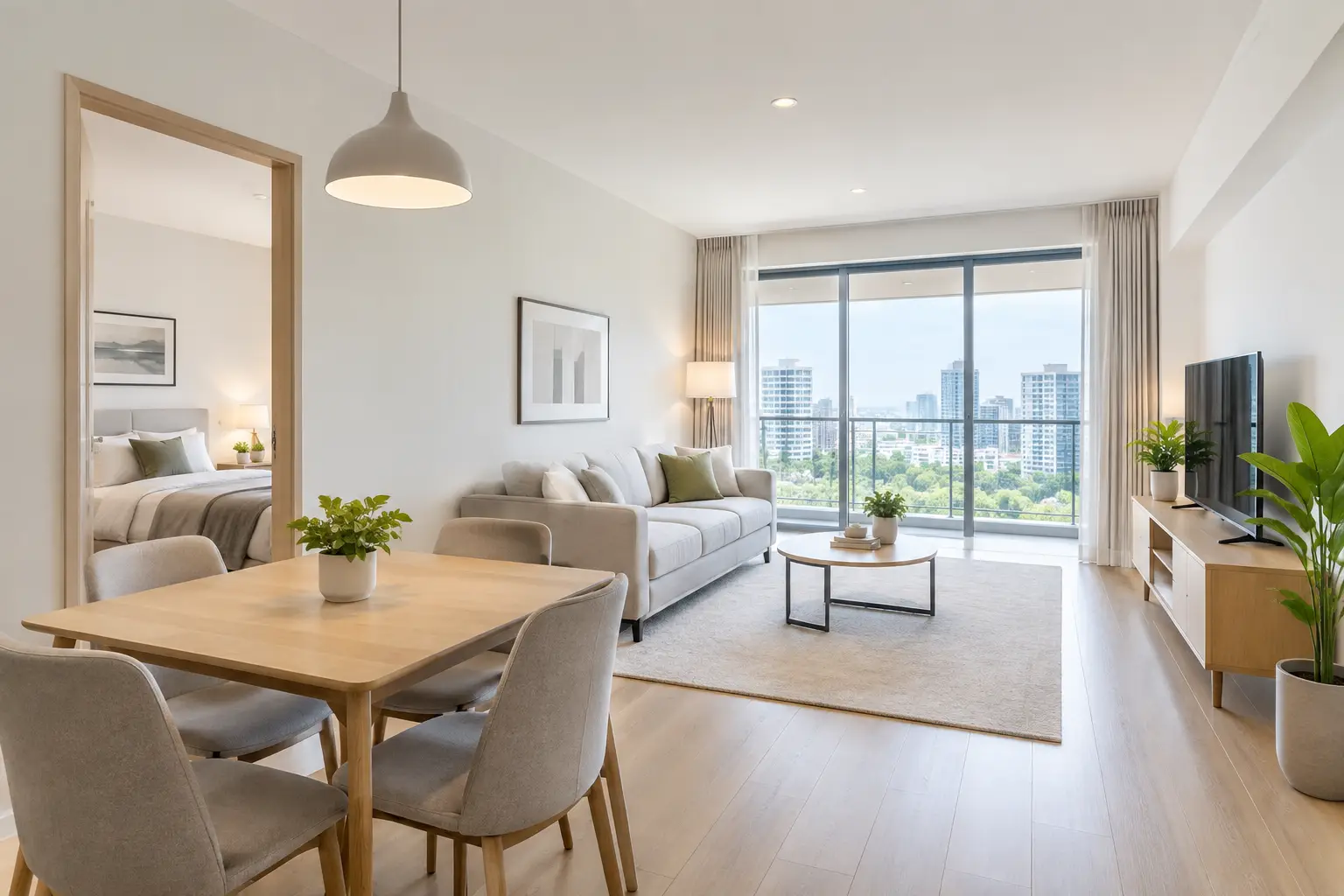
An empty property can be perfectly well located, well maintained and priced sensibly, yet still struggle to make an impression online. In a listing photo, a bare living room often looks smaller than it is. During a viewing, buyers may focus on blank walls and awkward corners rather than the lifestyle the home could offer. A thoughtful vacant property transformation gives people the visual cues they need to understand the space quickly.
For property agents, sellers and landlords in Singapore, this is not about filling every room with furniture. It is about presenting a home with enough clarity, warmth and purpose that a prospective buyer or tenant can picture daily life there. The right approach can make photography stronger, viewings more comfortable and the marketing process easier to manage.
Why empty homes are harder to market
Vacant homes ask a great deal of viewers. They need to judge room proportions, decide where furniture might fit and imagine how each area could be used. Some can do this confidently, but many cannot. When several similar listings are available, the property that feels considered and easy to understand often stays in mind longer.
Empty rooms can also create misleading impressions. A large space may feel cold, while a compact bedroom may appear impractical because there is nothing to show its usable footprint. Without a dining table, a buyer may question whether the dining area works for everyday meals. Without a defined work corner, a flexible nook can look like leftover space rather than a useful feature.
Photography makes this more pronounced. Property portals are crowded, and the first few images do much of the work in encouraging an enquiry. Natural light, clean sightlines and well-chosen furniture help a room read clearly on a phone screen. They give potential viewers a reason to look closer before they decide whether to arrange a visit.
What vacant property transformation should achieve
A successful vacant property transformation is practical before it is decorative. It should help viewers understand scale, movement and function from the moment they enter the home.
In the living room, a correctly sized sofa, coffee table and rug can establish the true width of the area and show where people would sit and move around. In a dining space, a table with appropriate chairs can make the layout feel intentional. Bedrooms benefit from a bed, side tables and restrained styling that shows how the room works without making it feel crowded.
The aim is not to create a showflat that bears little relation to everyday living. Over-styling can be just as unhelpful as leaving a home bare, especially if furniture blocks walkways or makes a room look less generous than it is. The most effective presentation feels calm, believable and suited to the type of buyer or tenant likely to view the property.
For a family-sized condominium, that may mean a proper dining setup, a welcoming living area and bedrooms that feel usable. For a compact city flat, it may mean lighter furniture, clear pathways and a small work zone that demonstrates flexibility. A landed home may need a stronger sense of flow between several rooms so viewers can understand how the property supports family life and entertaining.
Start with the rooms that influence decisions
Not every room needs the same level of attention. When timing or budget is limited, focus first on the living room, dining area, main bedroom and any space that is difficult to interpret. These are often the rooms that shape a viewer’s first impression and feature most prominently in marketing photographs.
A spare room is a common example. Left empty, it may be seen as small or uncertain in purpose. Styled as a study, nursery or guest room, it becomes easier to value. The choice should reflect the most likely audience rather than personal preference. A family-oriented home may benefit from a child’s room, while a unit near business districts may be better served by a tidy home-office setup.
Plan presentation around the listing, not just the room
Staging decisions should support the way the property will be marketed. Before furniture arrives, consider the listing photographs, floor plan, target audience and likely viewing route. This prevents a home from looking attractive in isolation but confusing in photos or difficult to walk through during an appointment.
The entrance matters, even where it is modest. A clear route into the home, good lighting and an uncluttered first view make the visit feel more comfortable. From there, create a natural sequence through the main spaces. Buyers should be able to pause, take in each room and see its purpose without having to step around excess furniture.
Colour also plays a useful role. Neutral foundations tend to photograph well and appeal to a wider group of viewers, particularly when paired with natural textures and a small amount of warmth. Cushions, artwork, greenery and table accessories can add character, but they should support the room rather than compete for attention. The property remains the subject.
It is worth checking each staged room from the camera position as well as from the doorway. A sofa that looks right in person may obscure a balcony door in a photograph. A bed placed too close to the wall can make a bedroom seem narrower. Small adjustments can improve the final images considerably.
Renting furniture keeps the process proportionate
Many sellers hesitate because purchasing furniture for a home they are about to sell feels wasteful. That concern is understandable. Buying, assembling, arranging and later removing furniture creates cost and admin at a point when there may already be repairs, cleaning, photography and moving arrangements to coordinate.
Furniture rental provides a more proportionate option for a temporary marketing need. A suitable package can be selected for the property, delivered, installed and collected after the agreed period. This gives agents and owners a clearer way to control spending while avoiding the burden of storing or reselling items later.
There is also a sustainability consideration. Well-maintained pre-owned furniture can give a property a polished, lived-in feel without adding unnecessary new purchases for a short-term use. Where a specific look or requirement calls for new pieces, these can be sourced as part of a considered furnishing plan.
The right rental period depends on the property and market conditions. A home expected to sell quickly may need staging for only the photography and initial viewing period. A slower-moving listing or a property being prepared for lease may benefit from a longer arrangement. Flexibility matters because marketing timelines do not always follow the original plan.
Avoid the common staging mistakes
The most frequent problem is treating staging as decoration alone. Attractive accessories cannot compensate for furniture that is the wrong scale or a layout that does not reflect how the room is used. Start with space planning, then add finishing touches.
Another mistake is trying to appeal to everyone. A room with too many competing styles can feel unfocused, while highly personal choices may distract buyers from the home itself. A balanced, contemporary scheme usually leaves enough room for viewers to imagine adding their own belongings.
Finally, do not overlook condition and readiness. Curtains should hang properly, lights should work, surfaces should be clean and any minor repairs should be addressed before photographs are taken. Staging is most effective when it works alongside a well-prepared property, not as a way to hide avoidable issues.
A smoother way to prepare for market
The practical value of professional support is often in the coordination. Agents are already handling pricing discussions, listing copy, enquiries and viewings. Sellers may be balancing a move, a vacant inherited home or a tight completion schedule. Having one partner manage furniture selection, delivery, setup and eventual collection reduces the number of moving parts.
Expats Partner works with property professionals and owners to prepare homes with furniture and styling that suit the space, likely audience and marketing timeline. The focus is on making rooms easier to photograph, easier to understand and more welcoming to walk through.
A vacant home does not need to remain a blank canvas that viewers struggle to read. Give each key room a clear purpose, keep the styling realistic and allow enough time for photography before the listing goes live. Those simple decisions can help the right buyer or tenant see not just an empty property, but a place they can picture calling home.