
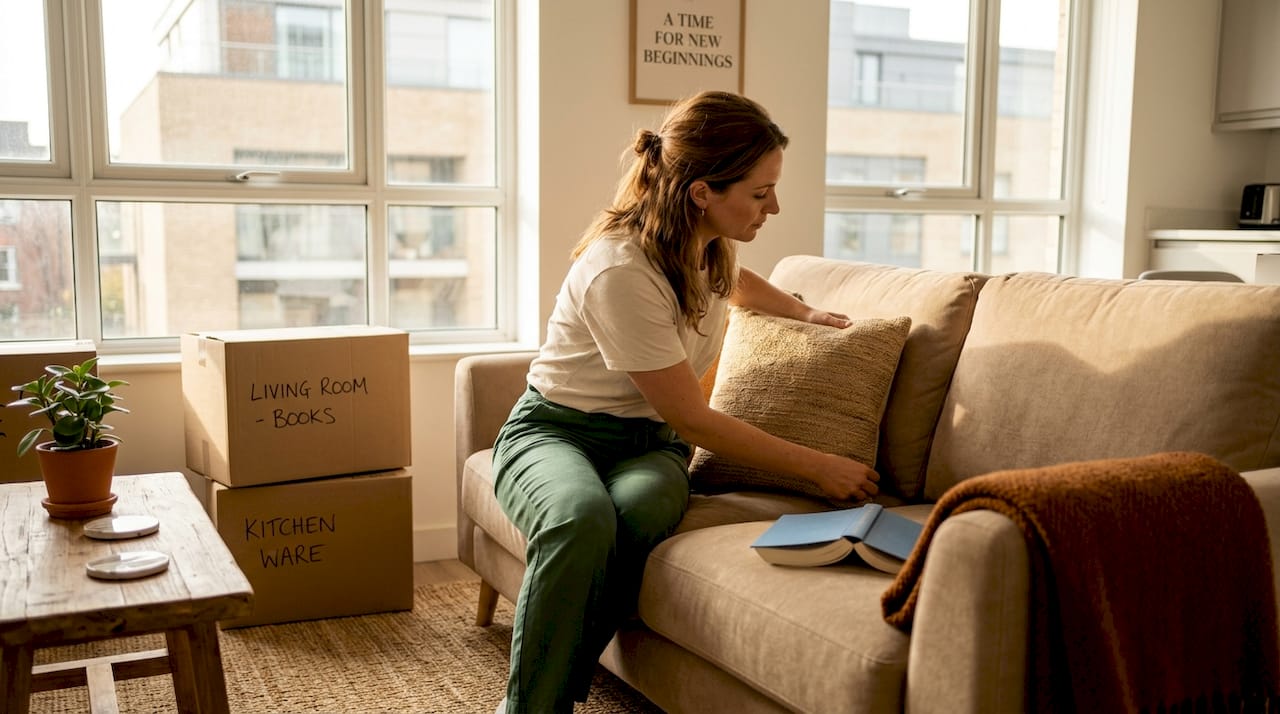
House staging is one of the most misunderstood tools in property sales. Many sellers assume it means decorating or adding personal touches to make a home feel lived-in. In reality, what is house staging comes down to something far more deliberate. It is a structured marketing process designed to present a property in its most appealing, buyer-ready condition before viewings or photography. Done well, it removes barriers between a buyer and their ability to picture themselves living in the space. The result speaks for itself: staged homes sell 73% faster than properties that go to market without preparation.
Table of Contents
- Key takeaways
- What house staging really means in property sales
- Staging methods: physical, virtual, and DIY
- Rooms that deserve your focus first
- Budget-friendly staging tips and pitfalls to avoid
- My honest take on why staging is still underestimated
- How Expats Partner supports staging-ready homes in Singapore
- FAQ
Key takeaways
| Point | Details |
|---|---|
| Staging is a marketing tool | It prepares a home for buyer visualisation, not personal expression or interior decoration. |
| Key rooms drive decisions | Focus staging efforts on the living room, primary bedroom, and dining room first. |
| Subtraction before addition | Decluttering and rearranging existing furniture often creates more impact than buying new pieces. |
| Lighting consistency matters | Matching bulb colour temperatures throughout a property improves both viewings and listing photography. |
| DIY and professional options exist | Sellers can stage on a budget or engage professional support depending on property condition and goals. |
What house staging really means in property sales
At its core, house staging is a marketing strategy, not a style statement. The goal is not to reflect the seller’s taste. It is to create a calm, neutral, and inviting backdrop that helps a wide range of buyers emotionally connect with the space and picture their own life unfolding there.
This distinction matters because it changes how you approach every decision in the process. A colourful feature wall you love might appeal to one in ten buyers. A freshly painted neutral wall appeals to eight or nine. Staging asks you to set your personal preferences aside and think like a buyer instead.
The practical activities involved in staging a home for sale typically include:
- Decluttering every room to remove visual noise and create a sense of space
- Depersonalising by clearing family photographs, personal collections, and idiosyncratic decorations
- Rearranging furniture to improve flow, open sightlines, and make rooms feel larger
- Adjusting lighting to create warmth and clarity in each area
- Cleaning thoroughly, including surfaces, windows, and storage areas
- Adding neutral accents such as fresh flowers, simple cushions, or a bowl of fruit to suggest life without imposing personality
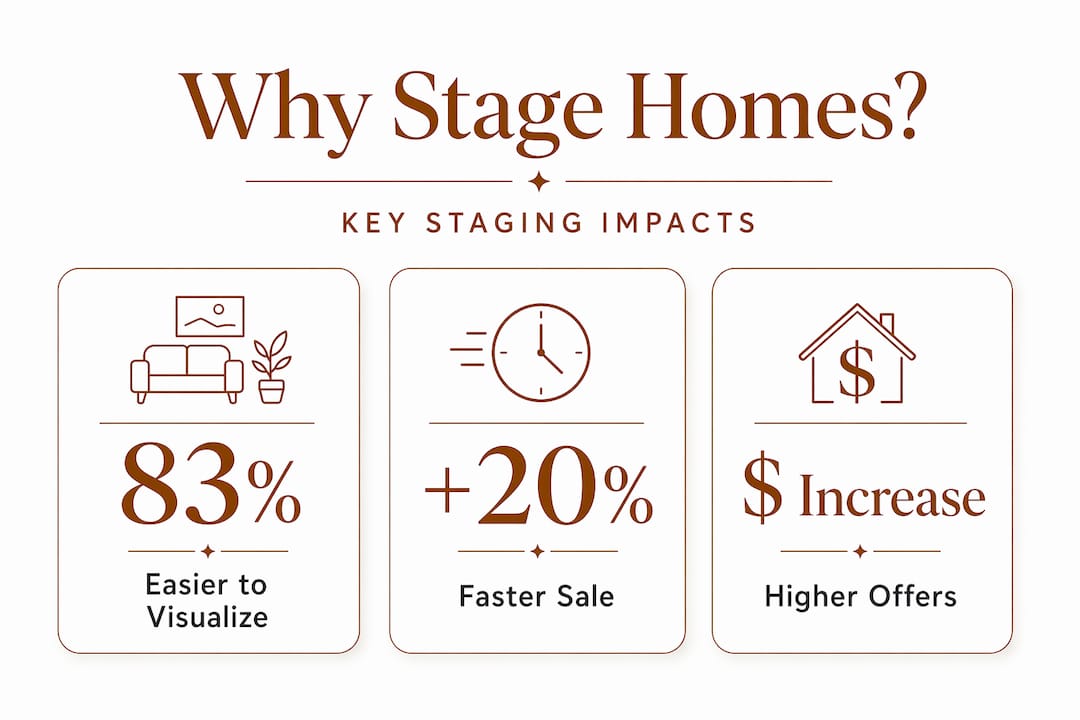
Staging works because 83% of buyers’ agents say it makes it easier for buyers to visualise the property as their future home. That visualisation is where offers are born.
Pro Tip: Think of staging as editing, not decorating. You are removing everything that distracts from the property itself, then adding just enough warmth to make it feel welcoming.
Staging methods: physical, virtual, and DIY
Not all staging looks the same. The approach you choose depends on your budget, timeline, property condition, and whether the home is occupied or vacant.
| Method | Best for | Key advantage | Key limitation |
|---|---|---|---|
| Physical staging | Occupied or vacant homes going to market | Creates the strongest buyer experience during in-person viewings | Higher cost if renting furniture |
| Virtual staging | Vacant properties with strong photography | Cost-effective, fast, and flexible for listing images | Does not help buyers during physical viewings |
| Staging consultation | Sellers with existing furniture | Affordable, personalised guidance without full service | Relies on seller to implement recommendations |
| DIY staging | Budget-conscious sellers | No professional fees, uses existing items | Requires time, effort, and objective self-assessment |
Physical staging remains the most effective option when buyers are visiting in person. It gives them a real, tactile experience of the space. Virtual staging is a practical alternative for vacant or hard-to-access properties, where digitally furnished listing photographs give buyers a sense of scale and lifestyle without the cost of moving furniture in.
DIY staging sits in the middle. It costs very little but demands honest self-assessment. Most sellers struggle to see their own home objectively, which is the core challenge of doing it yourself. A few practical DIY starting points:
- Walk through each room as if you are seeing it for the first time
- Remove anything you would not see in a hotel room or show flat
- Borrow or repurpose furniture from other rooms to fill gaps without spending money
- Focus on what photographs well, since most buyers now view listings online first
Rooms that deserve your focus first
Where you direct your staging energy matters as much as what you do. The most important rooms for staging are the living room, primary bedroom, and dining room. These are the spaces buyers spend the most time in during viewings and the ones that dominate listing photographs.
The living room sets the emotional tone for the entire property. A clean, well-lit living room with properly scaled furniture and a few considered accessories signals a home that is well cared for and easy to imagine living in. Oversized or under-scaled furniture in this room is one of the most common mistakes sellers make.
The primary bedroom carries significant psychological weight. It should feel restful and calm, not cluttered or personalised. Clear bedside tables, neutral bedding, and good lighting go a long way. Buyers often unconsciously decide how they feel about a home based on how this room makes them feel.
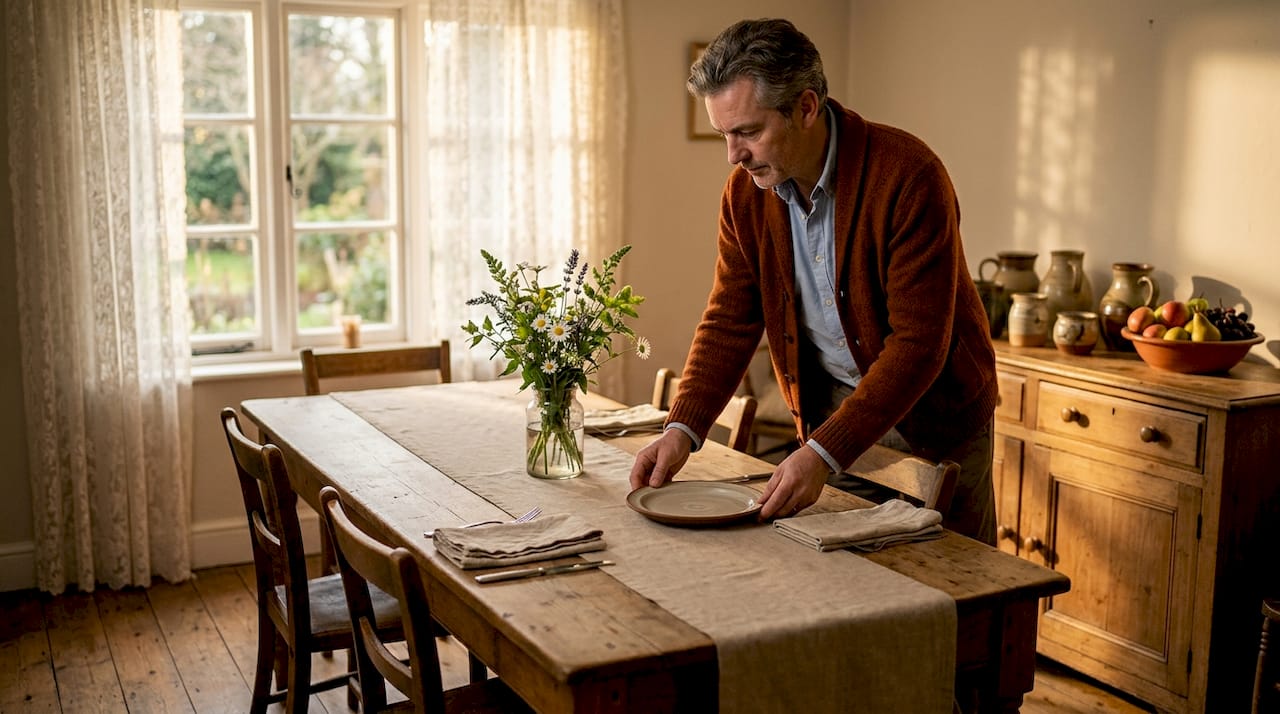
The dining room matters more than many sellers realise. A set table with simple, neutral tableware creates an immediate sense of hospitality and makes the space feel purposeful.
Beyond these three rooms, pay attention to storage areas too. Buyers examine pantries, cabinets, and closets, and poorly organised storage signals neglect to a buyer who is already looking for reasons to reduce their offer. Clear out at least half the contents of any cupboard that will be opened during a viewing. The same logic applies to kitchen and bathroom counters: clear surfaces create order and cleanliness that buyers expect and respond to positively.
Budget-friendly staging tips and pitfalls to avoid
Good staging does not require significant spend. In fact, the most effective low-cost staging starts with subtraction rather than addition. Removing excess furniture, clearing surfaces, and decluttering storage areas will do more for your property’s appeal than any new purchase.
Here are practical, cost-conscious staging tips that work:
- Start with a skip or storage unit. Move anything you are not actively using out of the property before viewings begin. This includes spare furniture, boxes, and seasonal items.
- Rearrange before you replace. Repositioning a sofa to face a focal point or pulling furniture away from walls often makes a room feel significantly larger and more intentional.
- Add greenery sparingly. A single indoor plant or a small vase of fresh flowers adds life to a space without imposing taste.
- Swap heavy textiles for lighter ones. Dark curtains or heavy throws can make a room feel small and dated. Lightweight, neutral options open up the space visually.
- Address lighting before the photographer arrives. Consistent artificial lighting, with matching bulb colour temperatures room to room, prevents patchy listing photographs and gives each space a warm, coherent appearance.
Pro Tip: Check your listing photographs before they go live. If a room looks cluttered or dark in the image, it will look worse to a buyer scrolling through dozens of listings on a screen. Fix it before publishing, not after.
The pitfalls that undermine otherwise good staging efforts tend to be predictable. Over-personalising is the most common. Sellers who leave strong personal elements in place, including bold artwork, family portraits, or niche collections, make it harder for buyers to project themselves into the home. Ignoring storage areas is the second most frequent mistake. Buyers open everything. Inconsistent lighting across rooms is the third. It undermines the sense of quality even when the furniture and décor are well chosen.
My honest take on why staging is still underestimated
Working with landlords, agents, and homeowners across Singapore, I have seen the same pattern repeat itself. A seller spends months preparing a property for market, then skips the staging step entirely because it feels like an unnecessary cost at the finish line.
What I have found is that staging is not a cost. It is the step that determines whether the investment in everything else pays off. A well-renovated flat that goes to market cluttered and poorly presented will still underperform a modest, thoughtfully staged one. Buyers do not separate the property from its presentation. They experience them as one.
The emotional dimension of staging is real and consistently underestimated. Professional stagers understand that turning interest into an offer depends on a buyer forming an emotional connection during or after a viewing. That connection is not accidental. It is engineered through the deliberate removal of distraction and the careful creation of calm, welcoming space.
My honest advice: treat staging as the final, considered step in your sale preparation, not an optional extra. The sellers who do it well tend to sell faster, attract stronger offers, and move through the process with less stress. The correlation is not coincidental.
— Expats Partner
How Expats Partner supports staging-ready homes in Singapore
For landlords, property agents, and homeowners in Singapore, achieving a staging-ready home often comes down to having the right furniture in place at the right time. Expats Partner provides flexible furniture rental for property staging that takes the logistics out of the equation. Whether you need a fully furnished living space for short-term viewings or a complete package for a vacant property going to market, Expats Partner delivers real inventory with reliable setup and collection support.
This is particularly practical for expats and landlords managing properties remotely or on tight timelines. Rather than buying, storing, and disposing of furniture, you can rent a complete, viewing-ready furniture package that suits the property and the target tenant or buyer profile.
Expats Partner also provides guidance on home staging trends in Singapore that agents and landlords can use to make smarter presentation decisions. If you are preparing a property for sale or rental and want a practical, cost-effective way to stage it properly, explore Expats Partner’s Singapore home staging and furniture rental services to get started.
FAQ
What is house staging in simple terms?
House staging is the process of preparing a property for sale by arranging furniture, decluttering, and presenting each room to appeal to the widest possible range of buyers. It is a marketing tool, not interior decoration.
How much does professional home staging cost?
The cost of house staging varies depending on property size, whether furniture rental is required, and the level of professional involvement. A basic consultation is typically the most affordable option, while full physical staging with rented furniture represents the higher end of investment.
Which rooms should I stage first?
Focus on the living room, primary bedroom, and dining room first. These are the rooms buyers prioritise during viewings and the spaces most frequently featured in listing photography.
Can I stage my home myself without professional help?
Yes. Do-it-yourself home staging is effective when you start by decluttering and rearranging existing furniture rather than buying new items. The challenge is maintaining objectivity about your own space, which a professional eye can help with.
Does staging actually help a home sell faster?
Yes. Staged homes see a 73% improvement in sale speed compared to non-staged properties, and the majority of buyers’ agents report that staging makes it meaningfully easier for buyers to visualise the home as their own.