
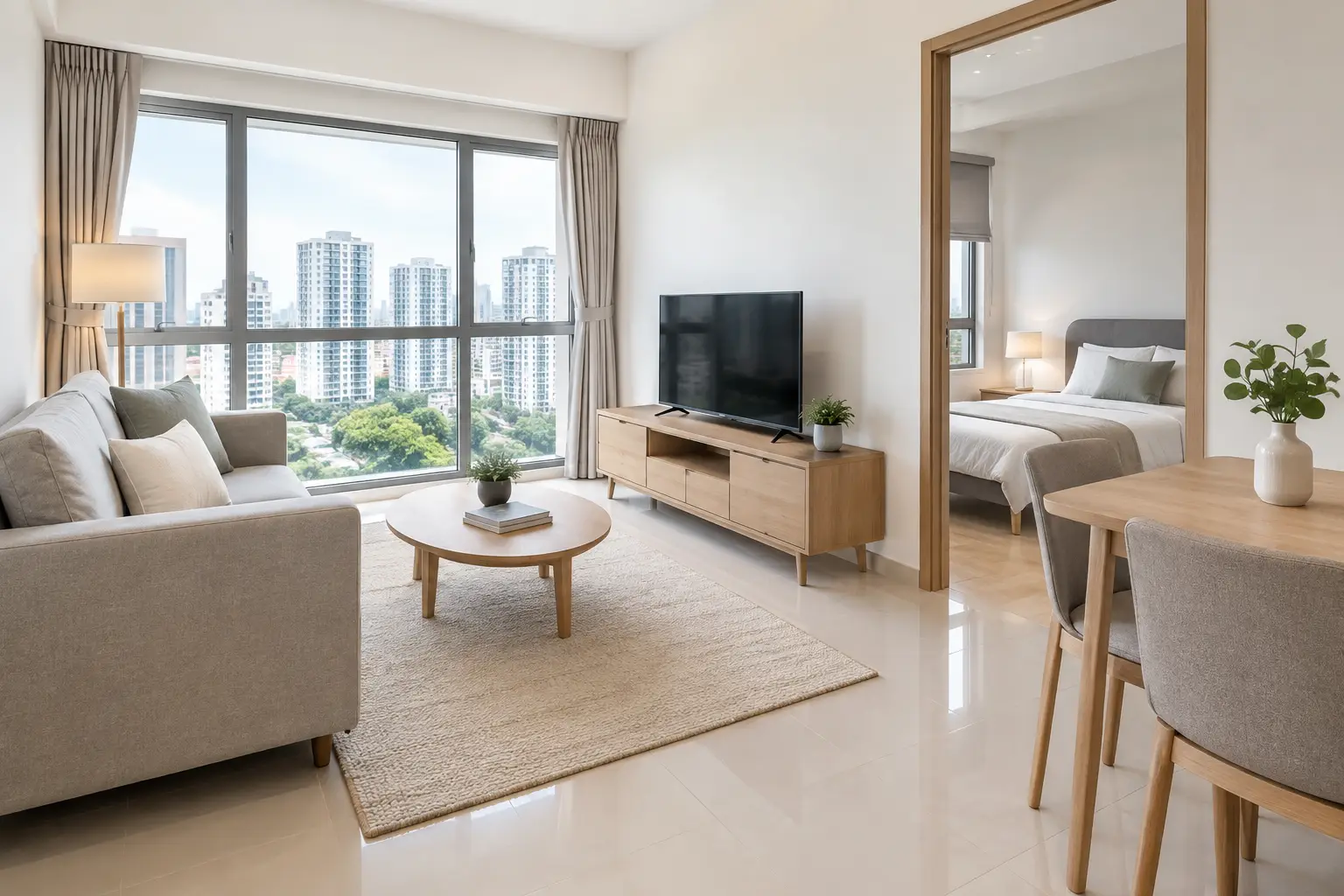
A vacant rental unit can look larger than it is, but it rarely helps a prospective tenant picture everyday life there. The right essential furniture for rental units gives each room a clear purpose, improves listing photos and makes viewings feel more reassuring. For landlords and agents in Singapore, the aim is not to fill every corner. It is to create a clean, comfortable home that feels ready to move into.
The best furniture plan depends on the unit, target tenant and expected lease length. A compact one-bedroom for a single professional needs a different approach from a family-sized condominium or a corporate rental. Still, a few well-chosen pieces consistently do the most work.
Start with the rooms tenants judge first
Most tenants make their first practical assessment quickly. They notice whether there is somewhere to sit, sleep, eat, work and store their belongings. If those basics are missing, even a bright, well-located flat can feel unfinished.
Prioritise the living room, bedroom and dining area before adding decorative pieces. These are the spaces that shape photographs and give tenants the strongest sense of how the home will function. In a smaller unit, every item should earn its place by offering comfort, storage or a clear visual purpose.
Essential furniture for rental units by room
Living room: create an easy place to settle in
A sofa is usually the anchor of the living room. Choose a compact two- or three-seater design with a neutral, durable upholstery that suits different tenant profiles. Very pale fabrics may photograph beautifully, but can be harder to maintain between tenancies. Mid-tones such as warm grey, taupe or textured beige are often more forgiving while still keeping the room light.
Add a coffee table or side table, depending on the available floor space. A small TV console is useful even when no television is supplied, as tenants may bring their own. A floor lamp, rug and a few cushions can make the room feel considered, but they should support the layout rather than crowd it.
For a compact condominium, avoid oversized recliners and bulky sectional sofas. They can make the living area look restricted in photos and reduce the clear walkway tenants expect during viewings.
Dining area: show how the space works
A dining table and chairs help a tenant understand the scale of the main living area. For many rental units, a four-seat table is the most flexible choice. It suits couples, small families and professionals who occasionally work or host at home.
Round tables can work particularly well in tighter layouts because they soften circulation around the room. If the dining space is especially limited, a two-seat table may be more appropriate, but it should still look intentional rather than temporary. Pair it with comfortable, wipeable chairs that are sturdy enough for everyday use.
Bedroom: make comfort immediately visible
The bed is one of the most influential items in a furnished rental. Use the largest bed size that fits comfortably without making movement around the room difficult. A queen bed is often expected in the main bedroom, while secondary rooms may suit a queen, super single or single bed depending on dimensions and tenant profile.
A proper bed frame, supportive mattress, bedside tables and bedside lighting create a much stronger impression than a mattress placed low to the floor. Include a wardrobe only if built-in storage is unavailable or insufficient. Where possible, choose pieces with clean lines and practical proportions rather than statement furniture that may date quickly.
Simple bedding is worthwhile for marketing photographs and viewings. Crisp, neutral linen helps buyers and tenants read the room clearly without imposing a very personal style.
Study corner: increasingly useful, not always essential
A desk and ergonomic chair are valuable in many Singapore rentals, particularly those aimed at expatriates, corporate tenants and professionals who work from home. In a two-bedroom unit, showing one room as a study or flexible guest room can broaden the appeal.
However, forcing a desk into every bedroom is not always the right choice. If it makes the room feel cramped, a small workstation in the living area or a compact console-style desk may be more practical. Good space planning matters more than ticking every possible furniture category.
Choose furniture that survives tenancy cycles
Rental furniture needs to look good, but it also needs to cope with move-ins, move-outs and regular cleaning. Pieces with removable or easily cleaned covers, hard-wearing surfaces and stable construction generally offer better value over time.
Avoid delicate glass tables in high-traffic homes, fragile dining chairs and furniture with very specialised proportions. A distinctive designer piece can give a home character, but it may be difficult to reuse in the next unit or replace if damaged. Rental-ready furniture should be attractive without being precious.
There is also a sustainability consideration. Reusing well-maintained pre-owned furniture can reduce unnecessary waste and keep costs more manageable, provided every item is clean, safe and in good condition. New pieces may be preferable for mattresses, heavily used seating or a property positioned at the higher end of the market. The right balance depends on the expected rental level and the condition of the existing inventory.
Furnished does not mean overcrowded
One common mistake is treating every bare wall as an invitation to add furniture. Too many items can make a rental unit feel smaller, harder to clean and less flexible for incoming tenants. It can also distract from features that should be selling points, such as a balcony, city view or generous natural light.
Leave clear routes between the entrance, living space, bedrooms and kitchen. Make sure cabinet doors, wardrobes and balconies can be opened easily. During a viewing, tenants should be able to walk through the property without navigating around stools, excessive accessories or poorly placed chairs.
For photos, this restraint matters just as much. A properly scaled sofa, dining set and bed help viewers judge room size. Overfurnishing can create the opposite effect, making a perfectly usable home appear difficult to live in.
Match the furnishing level to the rental strategy
A fully furnished unit is often attractive to relocating tenants who want a straightforward move-in experience. It can also help a landlord position the property for a faster start, especially where the tenant is unlikely to ship furniture from overseas. In these cases, core living, dining and bedroom furniture should be coordinated and complete.
Partially furnished homes suit a different audience. Long-term local tenants may prefer to bring their own furniture, particularly in larger homes. Supplying only essential appliances, built-in storage and selected pieces can reduce upfront spend while still making the property presentable.
For a unit being marketed before the next tenancy is confirmed, furniture rental offers useful flexibility. It avoids buying permanent pieces before the target tenant and lease terms are clear. A rental arrangement can also simplify delivery, installation and collection, which is helpful when agents and landlords are already coordinating repairs, cleaning and photography. Expats Partner supports this practical approach with furniture leasing and setup services designed around property timelines.
Do not overlook the finishing details
The furniture establishes function, while a small number of finishing touches makes the unit feel cared for. Curtains or blinds should be clean and properly fitted. Mirrors can help reflect light in darker areas. Artwork, cushions and greenery can bring warmth, but should be used with restraint and kept neutral enough for a wide audience.
Good lighting is particularly valuable for evening viewings and property photographs. Check that bulbs are working, colour temperatures are reasonably consistent and bedside or floor lamps are placed where they add comfort rather than visual clutter.
Before listing, walk through the unit as a tenant would. Sit on the sofa, open the wardrobe, pull out the dining chair and check whether the bedside table is actually usable. These small checks reveal whether the furniture is simply present or genuinely supports daily living.
A rental unit does not need to look like a showroom. It needs to feel calm, functional and easy to imagine as home. When each piece has a purpose and the layout respects the space, tenants can focus less on what the unit lacks and more on whether they can see themselves living there.