
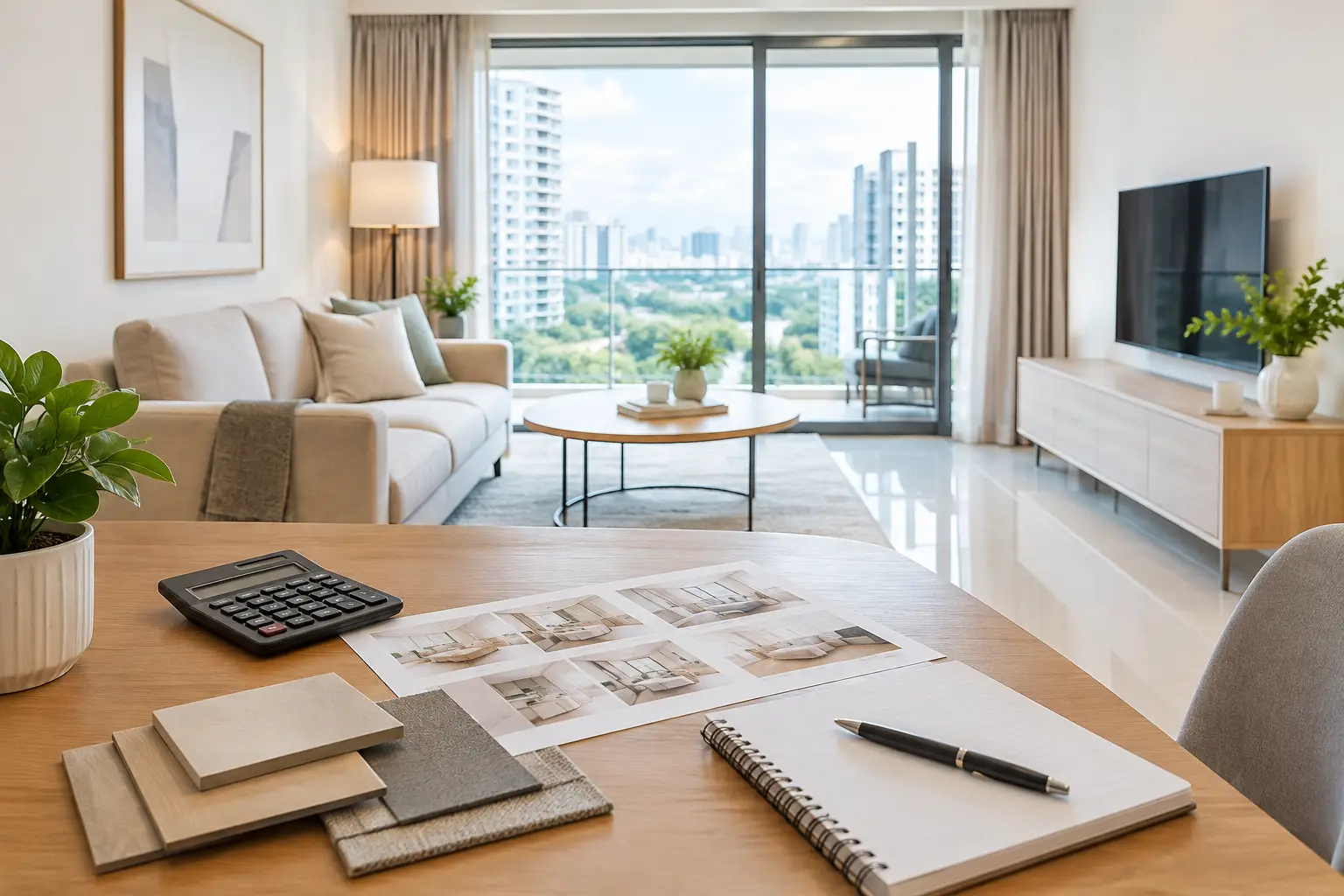
A vacant condominium can look larger than it feels, while a well-proportioned living room can appear surprisingly small in listing photos when the furniture is outdated or poorly arranged. That is why a guide to property styling budgets should begin with the property’s marketing problem, not a shopping list. The right budget is the one that helps buyers or tenants understand the home quickly, photographs well and supports the expected sale or rental outcome.
For property agents, sellers and landlords in Singapore, styling is usually time-sensitive. A property may need to be ready before photography, a first viewing weekend or a new tenancy date. Setting a clear budget early keeps the process practical and helps avoid spending heavily on rooms that will have little influence on interest.
Start with the property’s purpose
A styling budget should reflect what the property needs to achieve. A home being prepared for sale needs to create a strong first impression, define each room and help potential buyers picture daily life there. A rental property may need a more complete furnishing plan that supports move-in readiness and attracts the right tenant profile.
This distinction matters because the length of use, furniture requirements and return on spend are different. A staged home for sale may only need furniture for a short campaign period. A landlord preparing a unit for lease may require a practical package for several months or longer, including dining, bedroom and study furniture.
Before setting a figure, consider the asking price or intended monthly rent, the property type, its condition and the likely audience. A premium landed home may justify a more detailed styling approach than a compact investment unit, but both still benefit from thoughtful space planning. The aim is not to make every home look the same. It is to present it in a way that suits its market position.
What a property styling budget should cover
Property styling is more than sofas and beds. A useful budget accounts for the full presentation of the space, including planning, furniture, accessories, delivery, installation and collection at the end of the rental period. When these elements are discussed together, there are fewer surprises later.
The main cost areas usually include the furniture rental itself, styling and space-planning work, soft furnishings and accessories, logistics, and the rental duration. Some properties also need minor preparation before furniture arrives, such as cleaning, repainting selected walls, repairing damaged fittings or removing excess belongings. These are separate from styling, but they can have a significant effect on the final result.
Photography should be considered alongside styling rather than treated as an afterthought. A carefully staged room can still underperform if it is photographed in poor light or from angles that make the layout difficult to read. Agents should plan the installation date with enough time for the property to settle, be cleaned if necessary and photographed properly.
Spend where buyers look first
Not every room carries equal weight. In most residential listings, the living and dining areas, primary bedroom and balcony or outdoor space have the greatest visual impact. These are often the images that encourage a buyer to enquire or decide whether a viewing is worthwhile.
The entrance also matters, even if it is small. A clear path, good lighting and an uncluttered arrival point set the tone before a visitor reaches the main living space. Kitchens and bathrooms generally need cleaning, decluttering and a few restrained finishing touches rather than extensive furniture.
If the budget is limited, it is usually better to style the main rooms well than to spread a small amount across every corner of the property. An empty spare bedroom can be presented simply as a study or nursery, depending on the likely buyer, while a storage room may be left unstaged if it does not add to the story of the home.
A guide to property styling budgets by level of presentation
There is no single correct amount because floor area, condition and campaign length all affect cost. However, thinking in levels of presentation can help agents and owners make a sensible decision.
A focused styling budget suits smaller units, homes with some existing suitable furniture or listings where only key photos need improvement. It may concentrate on the living room, dining area and primary bedroom, with light accessories elsewhere. This approach can work well when the layout is already clear but the property needs warmth, scale and a more current appearance.
A full staging budget is appropriate for vacant homes, inherited properties, older units or homes with furniture that distracts from the space. It normally includes a coordinated furniture package across the main living areas and bedrooms, along with rugs, lighting, artwork, cushions and table settings. This level is particularly useful when an empty home risks looking cold online or when buyers need help understanding awkward layouts.
A premium styling budget is more tailored. It may involve sourcing specific pieces, addressing a larger landed property, styling multiple reception areas or creating a presentation that aligns closely with a high-value market segment. More detail does not automatically mean better results. The question is whether the property’s expected price and buyer profile support the additional investment.
For landlords, furniture leasing can make budget planning more predictable than buying outright. It avoids committing capital to pieces that may not suit a future tenant, a different unit layout or changing market expectations. It also reduces the practical burden of delivery, assembly and eventual disposal.
Balance rental duration with the sales timeline
The rental period is one of the most common budget pressure points. Owners understandably want the shortest possible commitment, while property campaigns do not always move to schedule. A home may need time for photography, listing launch, viewings, negotiation and completion arrangements.
It is sensible to allow a realistic buffer rather than planning around an ideal sale date. A short initial period may appear less expensive, but repeated extensions can become inconvenient if they are not anticipated. At the same time, committing to a long rental term too early may not make sense for a property with strong early interest.
Ask for clarity on what happens if the campaign runs longer than expected. Understand extension pricing, collection arrangements and whether furniture can remain in place through the final viewing period. These details make it easier to compare proposals accurately.
Avoid spending money where it will not be seen
A styling budget can lose value when it is spent on decorative quantity rather than presentation. Too many accessories can make compact Singapore homes feel crowded. Expensive statement pieces may not photograph well if they are out of scale with the room. Styling should clarify the use of space, not compete with it.
It is also worth being realistic about permanent upgrades. Repainting a severely marked wall or replacing a broken light fitting may be worthwhile, but a full renovation shortly before a sale is not always the best route. The decision depends on the property’s condition, buyer expectations and whether the upgrade is likely to be reflected in the achieved price.
Owners living in the property face a different calculation. They may not need a complete furniture rental package, but they often need help editing what is already there. Removing oversized furniture, storing personal collections and bringing in selected rental pieces can produce a cleaner, more coherent result without replacing everything.
Build the budget around a clear brief
The quickest way to control costs is to give the styling team a useful brief from the start. Share the floor plan, photos, property type, target listing date, expected buyer or tenant and any furniture that will remain. Flag access restrictions, lift bookings, parking arrangements and condominium management requirements early, as these can affect delivery planning.
A good provider should be able to explain what is included, identify the rooms that deserve priority and recommend a package suited to the campaign rather than simply the largest possible furniture order. At Expats Partner, this practical planning is part of helping clients prepare a property without taking on the work of sourcing, moving and assembling furnishings themselves.
The most effective styling budgets are not necessarily the largest. They are the ones that make the home easy to understand, comfortable to view and ready to photograph when the market is paying attention. Start with the rooms that sell the lifestyle, leave room for a realistic campaign timeline, and let each item earn its place in the property.