
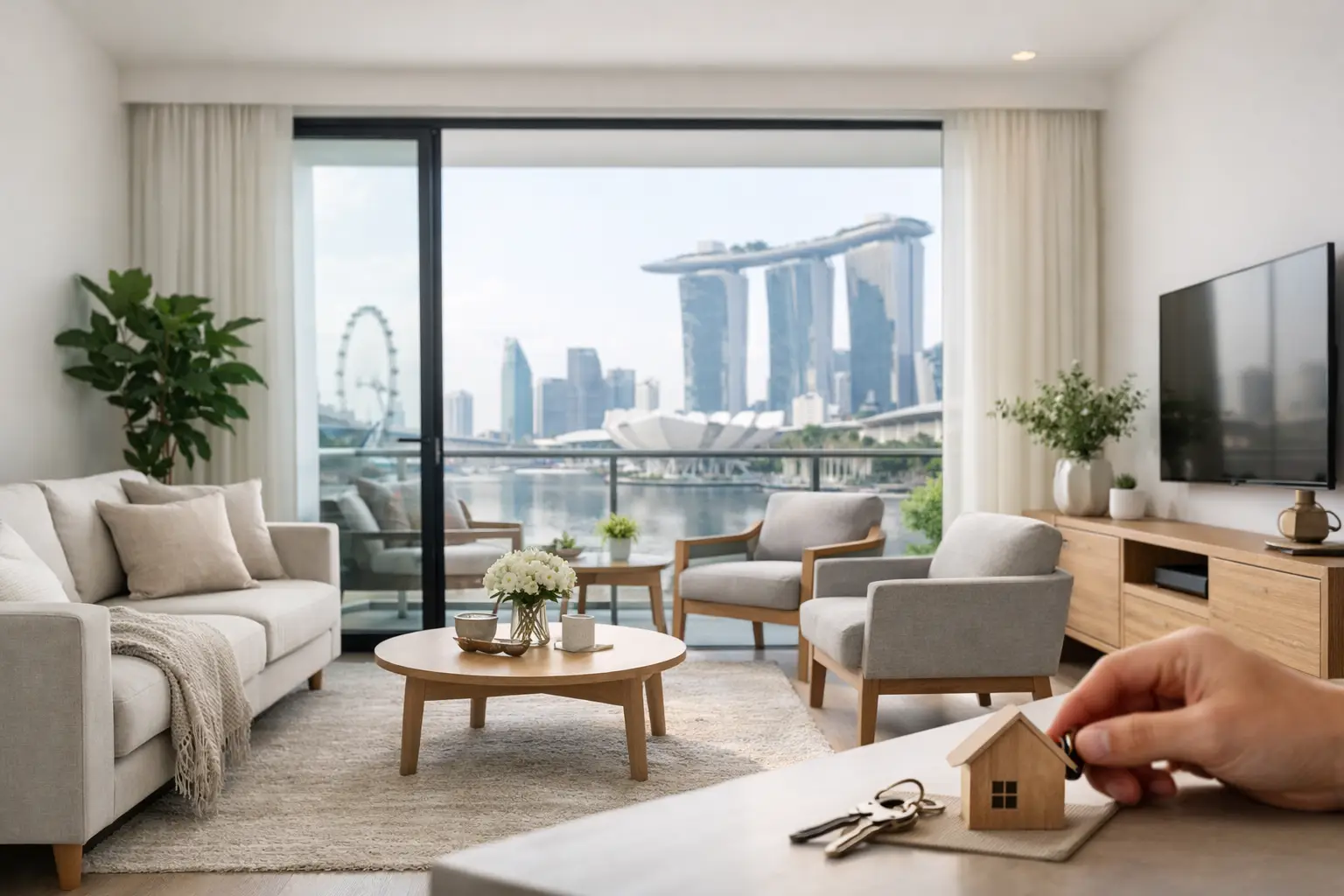
A vacant living room can look generous in person yet feel small, cold and difficult to understand in a property listing. A bedroom with bulky personal furniture may have the opposite problem: buyers notice the clutter before they notice the room. Home staging Singapore is about resolving that gap between what a property is worth and what a buyer can see in the first few seconds online and during a viewing.
For agents, sellers and landlords, staging is not about making a home look like a showroom. It is a practical way to present its layout, light and lifestyle potential clearly. Well-chosen furniture gives each space a purpose, while restrained styling helps buyers picture their own lives there.
Why presentation matters before the first viewing
Most property searches begin with photographs. Buyers and tenants often decide whether to enquire before they have read every detail of the listing. When rooms are empty, dim, overcrowded or dated, the images may not communicate the home’s real proportions or strengths.
Staging gives the camera something useful to capture. A sofa and rug can establish the scale of a living area. A properly made bed shows that a second room is a genuine bedroom rather than an uncertain spare space. A dining setting can make an open-plan layout feel considered and usable. These are simple visual cues, but they reduce the amount of imagination a prospective buyer needs to do.
The same principle applies at viewings. Buyers tend to move more comfortably through a home that has a clear flow. They can see where they would eat, work, rest and store everyday items. This can be particularly helpful in vacant condominiums, executive condominiums, landed homes and older properties where room functions are less obvious.
Home staging Singapore is not one fixed look
Singapore homes vary widely, and a staging plan should reflect the property rather than follow a standard furniture package. A compact city-fringe condominium may benefit from lighter pieces, clear walkways and furniture that demonstrates proportion without filling every corner. A larger family home may need a warm dining area, a defined family zone and bedrooms that speak to family living.
The likely buyer also matters. A home near business districts may appeal to professionals looking for a practical, low-maintenance base. A unit close to schools may be viewed by families who need to understand bedroom capacity and shared living space. An investor-facing property may need a polished, neutral presentation that suggests rental readiness.
Neutral does not mean bland. The most effective schemes often use calm colours, natural textures and a limited number of accessories to add warmth. The aim is to make the property feel welcoming, not to distract from its architecture, view or natural light.
When a light-touch approach is enough
Not every property needs full staging. An owner-occupied home in good condition may only require editing, rearranging and a few rental pieces to improve photographs and circulation. Removing excess personal items, clearing kitchen worktops and replacing an oversized armchair can make a noticeable difference.
Full furniture staging is usually more useful when a property is vacant, has an unusual layout, has been on the market for some time, or contains furniture that makes it appear dated or cramped. In those cases, leaving the home empty may save on preparation costs, but it can make marketing harder. The right choice depends on the property’s condition, target market, anticipated sale period and marketing budget.
What buyers notice first in a staged home
Buyers do not assess a property in a perfectly logical order. They form an impression quickly, then use later details to support or challenge it. A staged home helps make that early impression calm, clear and positive.
They often notice light and openness first. Window treatments should allow natural light in where possible, while mirrors and considered furniture placement can help a darker area feel less enclosed. Next comes scale. Furniture that is too large can make a good-sized room feel restrictive; furniture that is too small can make it feel awkward and unfinished.
Buyers also look for a believable way of living in the space. A work desk in a study nook, a reading chair by a window or a simple dining arrangement can answer practical questions without a word. Finally, they notice care. Clean surfaces, fresh linen, balanced styling and uncluttered walkways suggest a home that has been prepared thoughtfully.
A practical staging plan before photography
Strong staging starts with an honest walk-through. Rather than furnishing every available space, identify the rooms that will do the most work in the listing: usually the living room, dining area, main bedroom, kitchen and any flexible room that needs a clear purpose.
Before furniture arrives, attend to the basics. Repairs, cleaning, touch-up painting and working lights matter more than decorative accessories. A beautifully styled living room will not compensate for a faulty blind, stained grout or a dark bulb in the hallway. Where possible, schedule professional photography after the home is cleaned, staged and checked in natural daylight.
Keep the styling consistent from room to room. This does not mean matching every finish, but the home should feel coherent in photographs. Choose a restrained palette, avoid crowded shelves and leave enough visual space for buyers to notice flooring, windows, built-in storage and views.
For agents managing several listings, operational detail matters just as much as the design. Confirm access arrangements, lift booking requirements, delivery timing, building rules and the collection date before committing to a staging period. A reliable staging service should coordinate delivery, installation and removal so the agent can focus on listing strategy and viewings.
Renting furniture for staging can keep decisions flexible
Buying furniture specifically for a sale is not always sensible. It requires time to source suitable items, arrange delivery, manage assembly and decide what to do with everything once the property is sold. It can also lead to compromises if the available pieces do not suit the home.
Furniture rental allows a property to be furnished for the marketing period without creating a long-term storage problem. It is especially practical for vacant units, inherited homes, sellers who have already moved out, and landlords preparing a unit for rental. Rental furniture can be selected for the scale and style of the particular property, then collected when the tenancy or sale is complete.
At Expats Partner, the focus is on making this process manageable: suitable furniture, practical space planning, setup and collection are coordinated as one service. Well-maintained pre-owned pieces can also be a sensible option for clients who want a considered presentation with a lower material footprint, while new items can be sourced where the project calls for them.
Avoid staging choices that work against the property
Overstyling is a common mistake. Too many cushions, artificial plants, decorative signs or small accessories can draw attention away from the home and make cleaning before viewings more difficult. A staged property should feel lived-in enough to be inviting, but simple enough for buyers to imagine making it their own.
It is also worth avoiding furniture that blocks key features. Do not place a tall cabinet in front of a window, crowd a balcony with seating, or fill a narrow bedroom with a bed size that leaves no comfortable route around it. The furniture should explain the space, not compete with it.
Finally, do not stage only for photographs. A room that looks good from one angle but feels impractical at a viewing can undermine confidence. Walk through the property as a buyer would, from the entrance to the main living areas and bedrooms, and check that each space feels proportionate and easy to move through.
A good viewing should leave buyers talking about the property’s light, layout and potential, rather than wondering how they would make the rooms work. Thoughtful staging gives them a clearer answer before they have to ask the question.