
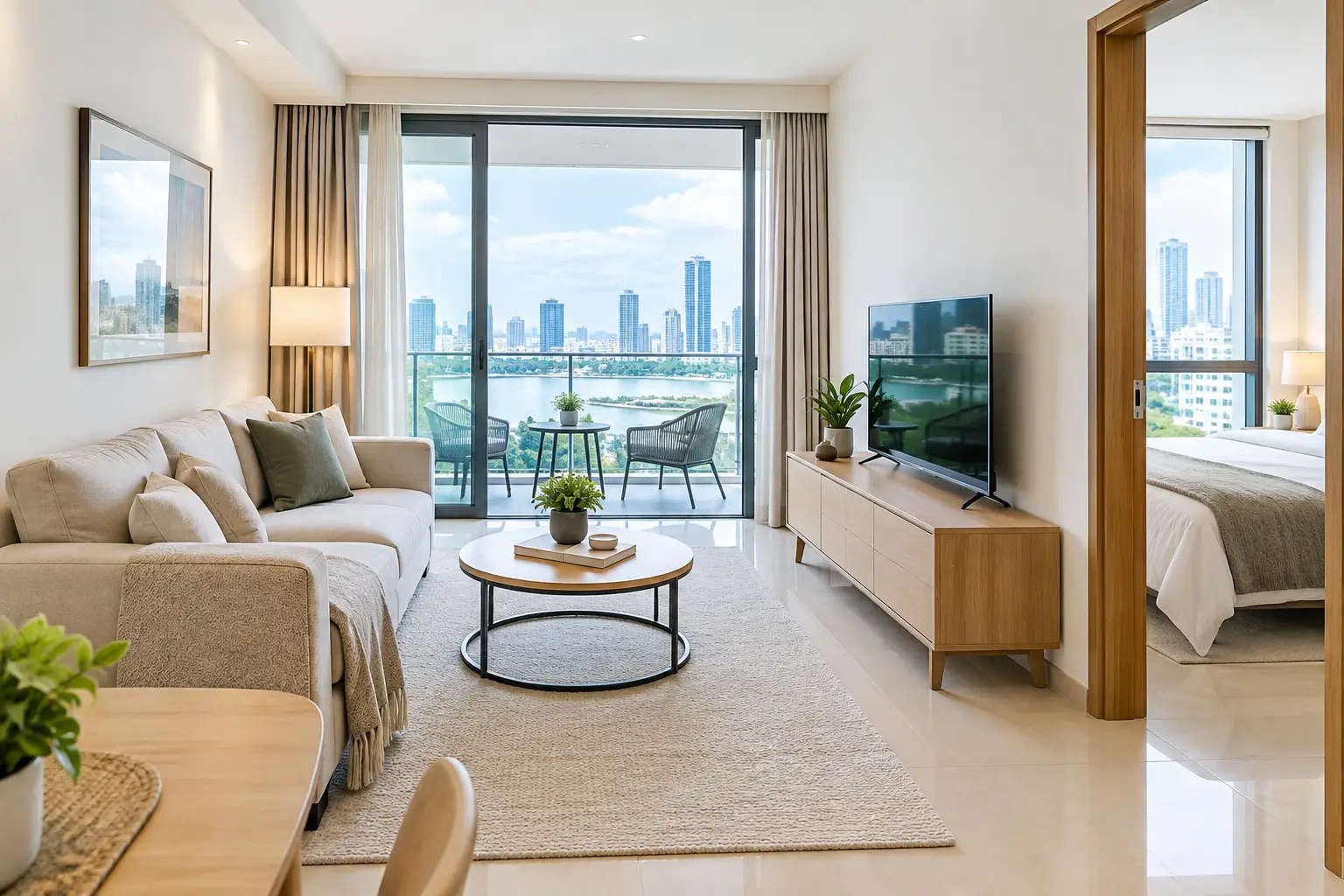
A vacant living room can be ready for professional listing photographs within days, while an owner-occupied home may need a little more coordination. So, how long does staging take? For most Singapore properties, the physical delivery and styling can be completed in one day. The full process, from initial discussion to a photo-ready home, usually takes between three days and two weeks.
The difference comes down to the condition of the property, the level of styling required and how quickly access, approvals and furniture choices can be confirmed. For agents, sellers and landlords working towards a listing launch or a first viewing, the most useful question is not simply how fast furniture can arrive. It is whether the property will be presented thoughtfully, on schedule and without adding more work to an already busy week.
How Long Does Staging Take From Brief to Photos?
A straightforward staging project for a vacant condominium unit often follows a relatively quick path. Once the layout, budget and staging period are agreed, suitable furniture can be allocated, delivery arranged and the home styled. Where stock is available and access is clear, a property may be ready within three to five working days.
More involved projects commonly take one to two weeks. This allows time for a site visit or detailed assessment, furniture selection, building management arrangements, lift bookings and any small preparation work needed before installation. Larger landed homes, homes with several living zones, or properties requiring a more tailored look may need longer.
The installation itself is usually the shortest stage. A typical two- or three-bedroom flat can often be furnished and styled within a day. Larger homes may require a full day plus a further visit for final adjustments. The planning beforehand is what prevents a rushed result: checking measurements, deciding which rooms need attention and ensuring the furniture suits the likely buyer or tenant.
A Typical Home Staging Timeline
Every property has its own constraints, but a clear sequence helps everyone plan with confidence.
Days 1 to 2: Assess the property and agree the brief
The first conversation should establish what the property needs to achieve. Is it a vacant resale unit that needs warmth and scale for listing photographs? Is it an older owner-occupied home where clutter needs to be reduced before selected pieces are brought in? Or is it a furnished rental unit that needs a cleaner, more current presentation?
At this stage, the staging partner considers room sizes, natural light, existing finishes, likely buyer profile and the property’s asking price. Clear photographs, a floor plan and basic measurements can speed up the process. For some homes, an on-site assessment is worthwhile, particularly where access is tight or the layout is unusual.
Days 2 to 4: Select furniture and schedule delivery
Once the brief is confirmed, the furniture package is matched to the space. This is not simply about filling rooms. A dining table needs to show how many people can comfortably dine there. The living area should clarify circulation and proportion. Bedrooms need enough furniture to feel useful, but not so much that they look smaller.
For properties in condominiums, delivery timing often depends on building management requirements. Many developments require a lorry slot, lift padding, a deposit or advance notice for moving activities. These are practical details, but they can add days if left until the last minute. An experienced staging team will flag them early and coordinate around the available slot.
Installation day: Deliver, place and style
On installation day, furniture is delivered, assembled where required and positioned according to the agreed plan. Rugs, lamps, artwork, cushions, table settings and greenery are then used selectively to make the home feel settled and welcoming.
For a standard vacant unit, this is normally completed in one day. The aim is a home that photographs clearly and gives viewers an immediate sense of how they could live there. Good staging should feel considered rather than overly decorated. Buyers still need room to notice the flooring, view, storage and layout.
The following day: Photograph and launch
Many agents schedule professional photography the day after installation. This leaves a little breathing room in case of access delays, a missing item or final styling refinements. If the home is being listed urgently, photographs can sometimes be taken immediately after setup, provided lighting and cleaning have already been managed.
Allowing this extra day is sensible. A staged home may be ready at 4 pm, but photographs taken in poor light or before final cleaning can weaken the benefit of the staging itself.
What Can Make Staging Faster or Slower?
The fastest projects are usually vacant, clean and easy to access. The property has confirmed measurements, building approval is in place and the agent or owner can make decisions promptly. In these cases, staging can move quickly without compromising the look of the home.
Occupied properties often take longer, not because the styling is more difficult, but because preparation is more personal. Sellers may need time to pack away excess belongings, remove dated furniture, organise repairs or arrange for family members and pets to be out during delivery. This effort is worthwhile. A crowded room can hide generous proportions, while a cleaner setup helps purchasers understand the space at a glance.
Furniture availability also matters. Rental staging is often quicker than buying furniture because a staging provider can allocate from existing, well-maintained stock. However, a request for highly specific pieces, a particular colour scheme or newly sourced items may extend the timeline. There is a trade-off between speed, cost and customisation. For a property going live next week, a well-curated available package is often the practical choice.
Public holidays, peak moving periods and last-minute condominium restrictions can also affect delivery dates. If a property is due to be listed around a busy period, starting the conversation earlier gives more flexibility and reduces avoidable pressure.
Plan Backwards From Your First Viewing
A useful approach is to work backwards from the date buyers or tenants will first see the property. If the goal is to list on a Monday, aim to complete staging by the preceding Thursday or Friday. This creates time for photography, image selection, listing copy and a contingency if building access changes.
For agents handling a slow-moving listing, staging can also be timed around a relaunch. Rather than changing photographs one room at a time, prepare the property fully and introduce it again with a more coherent visual story. Fresh photographs, a tidier layout and furniture that gives each area a purpose can make a familiar listing feel easier to consider.
Landlords preparing a unit for rental may have a slightly different timetable. If the incoming tenant’s move-in date is fixed, allow time not only for furniture installation but also for cleaning, minor repairs and handover. A furnished rental setup should be attractive in photographs, but it must also be practical for daily living from the first night.
How to Keep a Staging Project on Schedule
The simplest way to avoid delays is to make decisions early. Confirm the staging period, budget, access contact and rooms to be furnished before delivery is booked. Share a floor plan and recent property photographs where possible, and check whether management needs a moving form or lift reservation.
It also helps to complete cleaning and minor repairs before staging begins. Replace faulty light bulbs, address obvious marks or leaks, and remove items that will not be part of the final presentation. Staging furniture cannot compensate for a poorly maintained home, but it can make a clean, well-kept property feel more purposeful and appealing.
Where a deadline is tight, be open about it from the first enquiry. A practical staging partner can advise whether the schedule is realistic, recommend the rooms that will have the greatest impact and organise delivery around the property’s restrictions. Expats Partner takes this hands-on approach, helping clients coordinate furniture, setup and collection without needing to manage multiple suppliers.
A few days of preparation can change how clearly a home comes across online and in person. Give the process enough room for considered choices, and the result will feel calm, inviting and ready for the people you want to attract.