
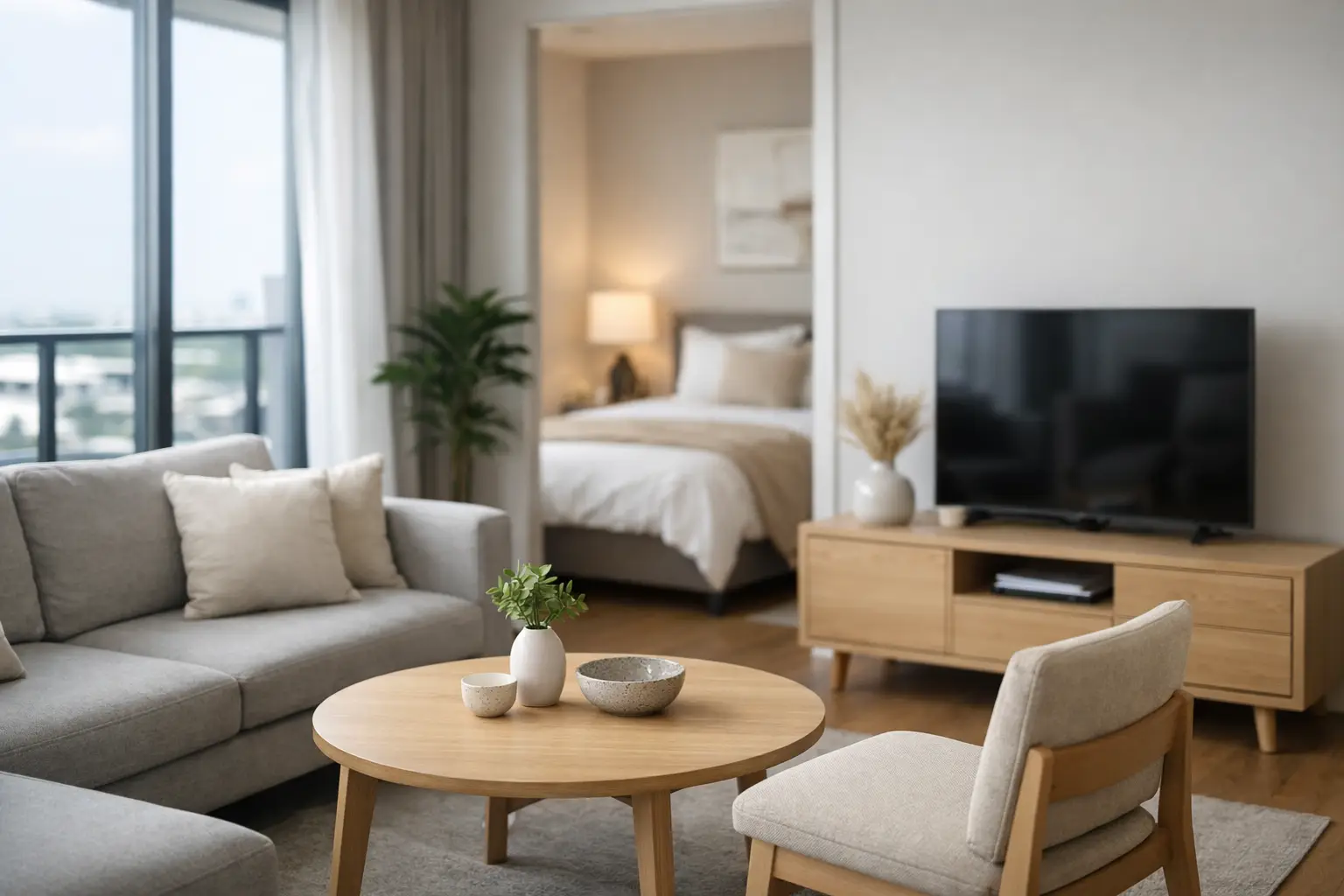
A vacant living room can look larger than it really is, while an overcrowded one can hide its best features. That is why learning how to choose rental furniture begins with the property itself, not with a catalogue. Whether you are preparing a condominium for viewings, furnishing a rental unit for tenants or settling into Singapore after a relocation, the right pieces should make the space easier to understand, use and enjoy.
Furniture rental gives you a practical alternative to buying items that may not suit your next home, tenant profile or marketing timeline. The aim is not to fill every corner. It is to create a home that feels complete, proportionate and ready for its purpose.
Start with the property’s purpose
The best furniture plan depends on what needs to happen next. A property being staged for sale has different requirements from a long-term corporate rental or a family home for an incoming expatriate.
For a sale listing, furniture should help buyers read the layout quickly. A sofa and rug can define a living area in an open-plan unit; a compact dining set can show that there is room to host; a properly made bed gives a bedroom a clear purpose. The pieces do not need to reflect the owner’s personal taste. They need to photograph well, feel current and let the space remain the focus.
For a landlord, the priority is usually tenant appeal and durability. A furnished unit should offer the essentials tenants expect while being straightforward to maintain between tenancies. For a relocating resident, comfort and day-to-day function take greater priority, especially when the rental period is several months or more.
Before choosing individual items, be clear on the goal: stronger listing photos, a more convincing viewing experience, faster move-in readiness or a flexible furnishing solution while plans are still changing. This decision will guide the budget, style and rental term.
Measure before you choose rental furniture
A furniture package can look balanced in a photograph yet feel too large in a particular flat. Accurate measurements avoid one of the most common and costly mistakes: selecting attractive pieces that restrict walkways, block storage or make a room appear smaller.
Measure each room’s length and width, then note the position of doors, windows, built-in cabinets, air-conditioning ledges and power points. Take particular care with lift access, corridors and door widths. In some older buildings and compact units, a large sofa or bed frame may be difficult to bring in even if it technically fits the room.
It also helps to think in zones rather than just dimensions. A living room needs a comfortable seating area and a clear route through it. A dining table needs enough space for chairs to be pulled out. In a bedroom, people should be able to walk around the bed and open wardrobes without squeezing past furniture.
For property staging, leaving some open floor area is often more valuable than adding another decorative chair or side table. Buyers need to see the scale of the room, not negotiate an obstacle course.
Choose essentials first, then add what the space needs
Rental furniture works best when the order of decisions is practical. Start with the larger, most useful items: a sofa, dining table, beds, mattresses, wardrobes where needed and suitable desks for homes that require work-from-home space. These pieces establish how each room will function.
Then consider supporting furniture such as coffee tables, bedside tables, lamps, rugs and occasional seating. These smaller pieces bring warmth and help a home feel lived in, but they should not crowd the layout. Accessories are particularly useful for staging because they soften a vacant property and make photographs more inviting without distracting from the home itself.
A basic furnishing package may be enough for a one-bedroom investment unit aimed at tenants who already own some belongings. A larger family home may need more considered seating, dining capacity and bedroom storage. There is no advantage in paying for a full package if half of it will sit unused, but under-furnishing can make a rental feel incomplete and reduce its appeal.
Match the style to the likely occupant or buyer
Neutral, well-proportioned furniture is usually the safest choice for properties being marketed. Light upholstery, natural textures and simple forms tend to work well across different layouts and photograph clearly in Singapore’s bright daylight. This does not mean a staged home must feel bland. A restrained mix of cushions, artwork, greenery and warm lighting can add personality without narrowing the audience.
For rental homes, consider who is most likely to live there. A compact city-centre unit for a professional may benefit from a clean-lined dining table that doubles as a workspace. A family-sized home may need a more generous dining setting, practical storage and seating that can handle everyday use. Corporate accommodation often calls for a polished, calm look that is comfortable from day one without being overly personal.
Avoid choosing furniture solely because it is fashionable. Trend-led pieces can date quickly, and unusual proportions may not suit the next property or tenant. Timeless, well-maintained items are often the more flexible and cost-conscious option.
Look beyond the monthly rental price
A low rental rate is useful only if the package covers what you need and arrives when you need it. Compare proposals based on the full cost and service scope, including the rental period, delivery, installation, collection, any service fees and the process for extending or changing the rental.
Ask how the provider handles damage, replacements and maintenance during the term. This matters for landlords managing a unit from overseas, agents working to a listing deadline and busy households that do not have time to coordinate repairs. It is also worth checking whether furniture can be added later if a tenant requests a desk, extra bed or additional storage.
Flexibility has real value when the future is uncertain. Buying furniture may make sense for a long-term home where you have a clear, settled vision. Renting is often the more sensible route when a tenancy is short, a property is being sold, a relocation is temporary or the furnishings need to change between tenancies.
Prioritise delivery and installation timing
Furniture decisions are often made under pressure. The photographs may be booked, the tenant may arrive next week or the agent may need the property ready before it goes live. In these cases, product selection and logistics must be considered together.
Confirm the earliest realistic delivery date and whether the team will install, position and style the furniture. For a staged listing, timing should allow for final cleaning and professional photography after setup. For a move-in, coordinate delivery around access arrangements, lift bookings and any building management requirements.
A hands-on rental provider can reduce the number of moving parts by managing delivery, placement and collection at the end of the agreement. At Expats Partner, this practical coordination is part of helping clients prepare homes without taking on the burden of purchasing, assembling and later disposing of furniture.
Consider condition, durability and sustainability
Pre-owned rental furniture can be a sensible choice when it is carefully maintained, clean and appropriate for the property. It supports a more circular approach to furnishing and can offer good value for short-term needs. Still, condition should never be an afterthought. Upholstery, mattress hygiene, table surfaces and mechanisms such as drawers or sofa beds should all be checked.
There are occasions when new pieces are more suitable, particularly for a specific design requirement, a premium tenancy or a longer-term arrangement where the owner wants a particular finish. The right choice depends on the expected level of use, the target market and the impression the property needs to create.
A final check before confirming your package
Before signing off, review the proposal against four practical questions:
- Does every major room have a clear, useful purpose?
- Are the furniture sizes right for the layout and access route?
- Does the style suit the likely buyer, tenant or resident?
- Does the service include the timing and flexibility your situation requires?
The best rental furniture is rarely the most decorative or the most expensive. It is the furniture that helps someone picture daily life in the property, while making your own next step simpler. When the layout is clear, the presentation feels considered and the logistics are handled properly, a furnished space can start working for you from the moment the door opens.