
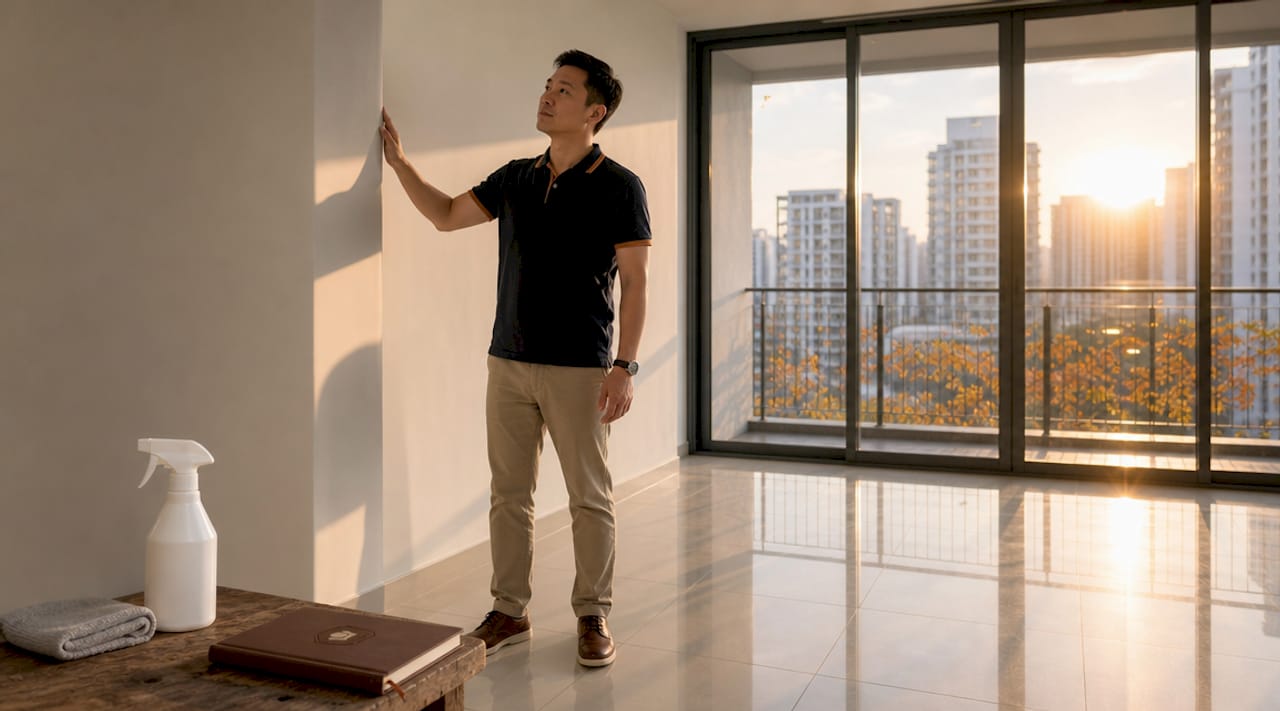
Staging a vacant rental property in Singapore is defined as the process of preparing a clean, neutral, and inviting space that enables prospective tenants to visualise their future home, directly improving your chances of securing a tenancy at the right price. In Singapore’s competitive rental market, where tenants often view multiple properties in a single afternoon, a well-staged unit stands apart from an empty shell. Professional preparation can increase rental offers by 5 to 15%, according to local market data. The industry term for this practice is property staging, and it covers everything from deep cleaning and minor repairs to furniture rental, neutral décor, and lighting adjustments tailored to Singapore’s residential property types.
How to stage a vacant property for rent in Singapore: the essential preparation steps
Before a single piece of furniture enters the unit, the foundation must be right. Preparation is not optional. 89% of potential tenants prioritise cleanliness above all other factors when viewing a property, which means a spotless unit is your single most powerful first impression. This figure reflects a straightforward truth: aesthetics cannot compensate for grime.
A thorough preparation process covers four areas.
- Deep cleaning. Engage a professional cleaning team to cover every surface, including grout lines, ceiling fans, kitchen exhaust hoods, and bathroom fittings. In Singapore’s humid climate, mould and mildew accumulate quickly in poorly ventilated spaces, and tenants notice immediately.
- Decluttering and depersonalising. If the unit still contains the owner’s belongings, remove at least 50% of personal items and keep storage areas approximately 70% full. This creates a psychological blank canvas that allows tenants to picture their own lives in the space.
- Minor repairs. Address dripping taps, scuffed walls, burnt-out bulbs, and stiff door handles. These small faults signal neglect to a prospective tenant, even when the rest of the unit is well-presented.
- Odour neutralisation. Singapore’s humidity traps cooking smells, pet odours, and mustiness. Odour control is frequently overlooked but consistently cited as a deal-breaker during viewings. Baking soda treatments, activated charcoal, and professional odour neutralisation services are all practical options.
Pro Tip: Schedule your cleaning, repairs, and odour treatment on consecutive days rather than all at once. This gives each treatment time to work properly before the next stage begins, and it prevents cross-contamination between tasks.
How to choose and arrange furniture and décor for a rental property
Once the unit is clean and repaired, furnishing and styling determine whether a tenant feels at home or simply walks through. The goal, as staging specialists note, is not glamour but enabling prospective tenants to envision their future home with a neutral, clean, and inviting setup. That distinction matters because over-styled units can feel inaccessible or difficult to personalise.
Furniture rental as a practical staging solution
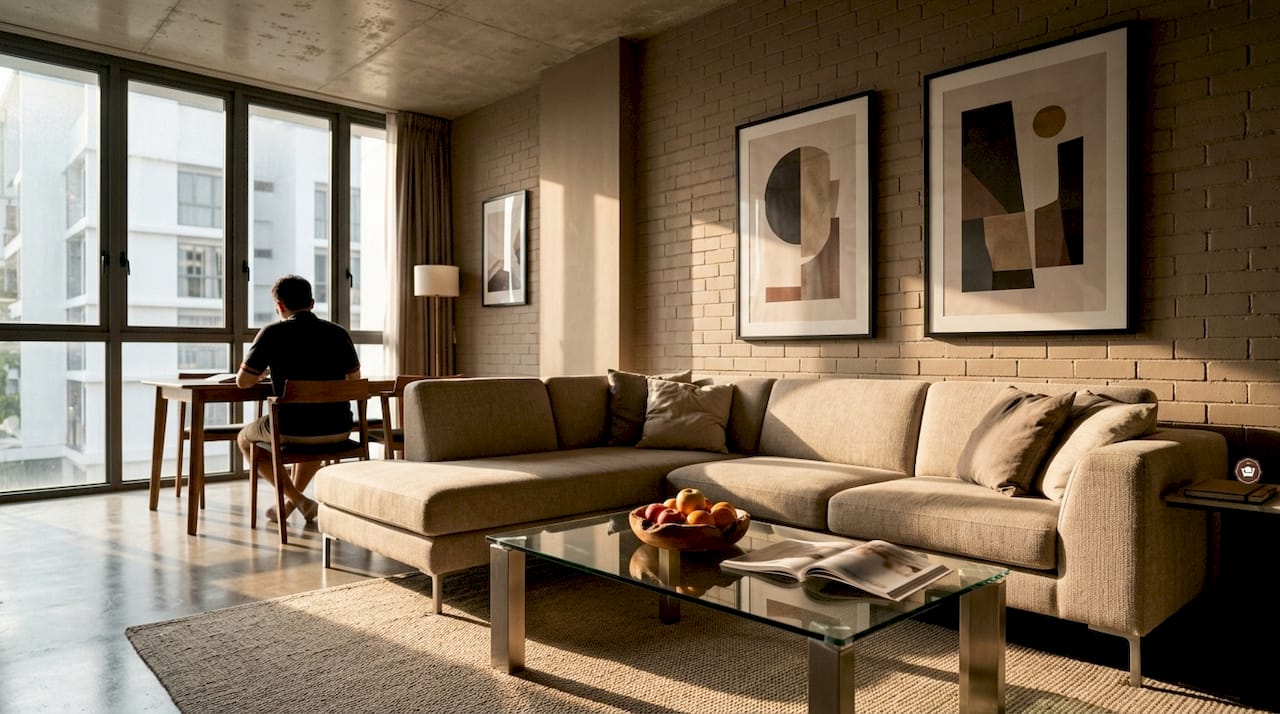
Purchasing furniture solely for staging is rarely cost-effective for landlords. Furniture rental in Singapore offers a flexible alternative: you pay for the period of the staging and return the pieces once the unit is let. Expats Partner provides home furniture rental packages covering full apartments and condos, with options for 1-bedroom, 2-bedroom, and 3-bedroom configurations. This approach removes the burden of storage, resale, and disposal entirely.
Colour, style, and layout principles
The styling choices you make during staging directly affect how many tenants respond positively to the unit.
- Neutral palettes work best. Whites, greys, and beiges act as calming backdrops and widen tenant appeal by avoiding polarising colour choices. A bold feature wall may appeal to one in ten viewers and put off the other nine.
- Furnish purposefully, not fully. Stage the living room, master bedroom, and dining area as a priority. These are the rooms tenants photograph and remember. Spare rooms can be left lightly furnished or shown as flexible spaces.
- Maximise light. Good lighting draws attention to space potential and key features. Open all blinds and curtains during viewings, replace any dim bulbs with warm white LEDs, and add a floor lamp to darker corners.
- Highlight built-in features. If the unit has a balcony, place a small table and two chairs there. If it has generous built-in wardrobes, keep them open and tidy during viewings. These details communicate liveability.
| Staging element | Budget approach | Full-service approach |
|---|---|---|
| Furniture | Rented package (1 to 3 bedrooms) | Curated rental with styling consultation |
| Colour palette | Neutral paint touch-ups | Full repaint in agreed neutral tones |
| Lighting | Replace bulbs, open blinds | Add floor lamps and feature lighting |
| Décor | Simple cushions and a plant or two | Coordinated accessories and artwork |
| Odour control | Baking soda and ventilation | Professional neutralisation treatment |
Pro Tip: Avoid artificial flowers and heavily scented diffusers. Tenants who are sensitive to fragrance may associate strong scents with an attempt to mask a problem. Fresh air and clean surfaces are always more reassuring.
How do staging requirements vary by property type in Singapore?
Singapore’s residential market spans HDB flats, private condominiums, and landed properties, and each type carries different staging considerations, budget expectations, and regulatory constraints.
HDB flats
HDB units are governed by Housing and Development Board guidelines, which restrict certain renovation works and subletting arrangements. For staging purposes, the focus should be on neutral tones, minor cosmetic repairs, and clean presentation rather than structural changes. HDB tenants are often practical and value-conscious, so a tidy, functional layout with good natural light is more persuasive than elaborate décor.
Private condominiums
Condo staging benefits from attention to both the unit and the building’s common areas. While you cannot control the lobby or pool, you can ensure the unit’s entrance is clean and welcoming. MCST guidelines may restrict certain works, so confirm with your managing agent before making any changes to common property. Condo tenants, particularly expatriates, respond well to a polished, hotel-adjacent aesthetic with quality furniture and considered lighting.
Landed properties
Landed homes require an additional layer of preparation: kerb appeal. The front gate, driveway, and garden are the first things a tenant sees. Trim overgrown hedges, pressure-wash the driveway, and ensure exterior lighting is functional. Inside, the scale of a landed home means that sparse furnishing can make rooms feel cold. Prioritise key living areas and ensure the kitchen and bathrooms are immaculate.
| Property type | Staging priority | Typical preparation time | Estimated staging budget |
|---|---|---|---|
| HDB flat (3 to 5 rooms) | Cleanliness, neutral décor, minor repairs | 2 to 5 days | SGD 500 to SGD 2,000 |
| Private condo (1 to 3 bedrooms) | Furniture rental, lighting, odour control | 3 to 7 days | SGD 1,500 to SGD 5,000 |
| Landed property | Kerb appeal, full furnishing, deep clean | 1 to 3 weeks | SGD 3,000 to SGD 10,000+ |
Budgets are indicative and vary by unit size, condition, and service provider.
What is the ideal timing and process for staging a vacant rental?
Timing is where many landlords lose money without realising it. Rushing staging preparation increases costs by 15 to 25% due to vendor premiums and limited availability. A well-planned schedule of four to six weeks avoids these price surges and gives you room to coordinate cleaning, repairs, and furniture delivery without conflict.
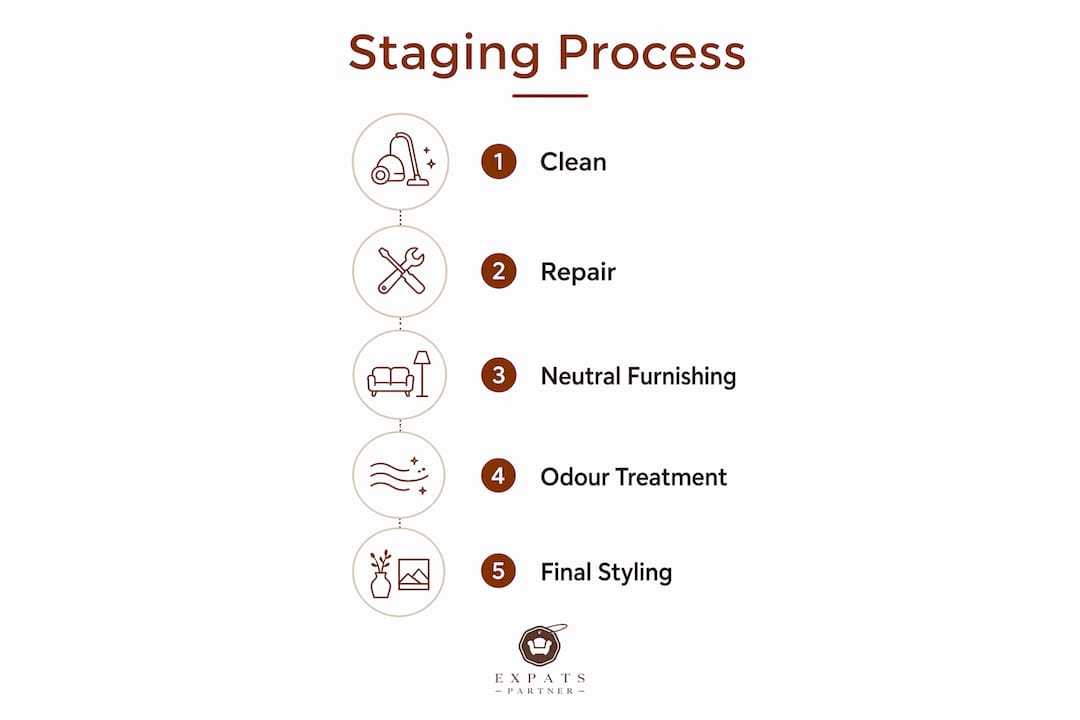
A practical staging timeline looks like this:
- Weeks 1 to 2: Assess the unit’s condition. Commission any repainting, tile repairs, or plumbing fixes. Book your cleaning team and odour treatment.
- Week 3: Complete deep cleaning and odour neutralisation. Confirm furniture rental delivery dates with your provider.
- Week 4: Furniture delivery and setup. Add final décor touches: cushions, a plant, clean towels in the bathroom.
- Days before viewings: Professional photography. Ensure all lights are working, blinds are clean, and the unit smells fresh.
For straightforward units in good condition, preparation turnaround can be compressed to two to seven days. Full-service staging, including furniture rental and professional styling, typically requires two to four weeks.
“The most common mistake landlords make is listing the property before it is ready, then scrambling to stage it while viewings are already booked. This creates pressure, increases costs, and often results in a poorly presented unit that tenants remember for the wrong reasons.”
Common mistakes to avoid include over-decorating with personal taste items, ignoring odour until the day of the viewing, and skipping professional photography in favour of phone snapshots. Staged properties photographed well generate significantly more enquiries online, where most Singapore tenants begin their search.
Key takeaways
Staging a vacant rental property in Singapore requires a structured sequence of cleaning, repairs, neutral furnishing, and careful timing to attract tenants and achieve the best possible rental outcome.
| Point | Details |
|---|---|
| Cleanliness comes first | 89% of tenants prioritise cleanliness, making deep cleaning the single most important staging step. |
| Furniture rental is cost-effective | Renting furniture for staging avoids purchase, storage, and disposal costs for landlords. |
| Neutral styling widens appeal | Whites, greys, and beiges attract a broader range of tenants than bold or personal décor choices. |
| Plan four to six weeks ahead | Rushed preparation increases costs by 15 to 25% due to vendor premiums and limited availability. |
| Staging varies by property type | HDB flats, condos, and landed homes each require different priorities, budgets, and timelines. |
What we have learnt from staging rentals across Singapore
After working with landlords across HDB estates, private condominiums in districts 9, 10, and 11, and landed homes in areas like Bukit Timah and Serangoon, one pattern is consistent: the landlords who stage thoughtfully and plan early almost always let their properties faster and at stronger rates than those who rush.
The detail that surprises most landlords is odour. Singapore’s humidity means that a unit vacant for even two to three weeks can develop a faint mustiness that tenants register immediately, even if they cannot name it. Addressing this before viewings is not a luxury. It is a basic requirement for a good first impression.
We have also seen landlords over-invest in décor and under-invest in lighting. A beautifully styled room with poor lighting photographs badly and feels flat in person. Swapping dim bulbs for warm white LEDs and adding one well-placed floor lamp costs very little but makes a measurable difference to how spacious and welcoming a unit feels.
The other consistent observation is that tailoring staging to the likely tenant profile reduces turnover and increases satisfaction. A unit near an international school benefits from a family-friendly layout with a clear study area. A city-fringe condo near Tanjong Pagar or Bugis appeals to young professionals who respond to a clean, minimal aesthetic with a functional workspace. Staging is not one-size-fits-all, and the landlords who recognise this let their properties to tenants who stay longer.
The practical advice we give consistently: start earlier than you think you need to, keep the styling calm and neutral, and invest in professional photography before the first viewing. These three steps alone will put your property ahead of the majority of vacant units on the market.
— Expats Partner
Stage your rental property with Expats Partner
Expats Partner supports landlords across Singapore with home staging services and flexible furniture rental packages designed specifically for vacant rental properties. Whether you need a fully furnished 2-bedroom condo staged for viewings or a landed home prepared for an expatriate family, the team handles delivery, setup, and collection with clear timelines and transparent pricing.
From short-term furniture rental for a single staging period to full-service property staging with styling consultation, Expats Partner offers practical solutions that remove the logistical burden from landlords. Real inventory, reliable delivery, and dependable support mean your property is viewing-ready on schedule, without the last-minute costs that come from rushed preparation. Contact Expats Partner to discuss your property and staging requirements.
FAQ
What does staging a vacant rental property involve?
Staging a vacant rental property involves deep cleaning, minor repairs, odour neutralisation, and furnishing the unit with neutral, functional pieces to help tenants visualise the space as their future home.
How long does it take to stage a rental property in Singapore?
Standard preparation takes two to seven days for properties in good condition. Full-service staging with furniture rental and professional styling typically requires two to four weeks.
Is furniture rental worth it for staging a rental unit?
Furniture rental is a cost-effective staging solution because it avoids the expense of purchasing, storing, and reselling furniture. Expats Partner offers 1, 2, and 3-bedroom rental packages suited to staging vacant properties.
Does staging really improve rental outcomes in Singapore?
Professional preparation including cleaning, repairs, and staging can increase rental offers by 5 to 15% in Singapore’s market, making it a practical investment for landlords seeking faster lettings at stronger rates.
Do staging requirements differ between HDB flats and condos?
HDB staging focuses on cleanliness, neutral décor, and minor repairs within Housing and Development Board guidelines. Condo staging typically benefits from furniture rental, quality lighting, and a polished aesthetic that appeals to expatriate and professional tenants.