
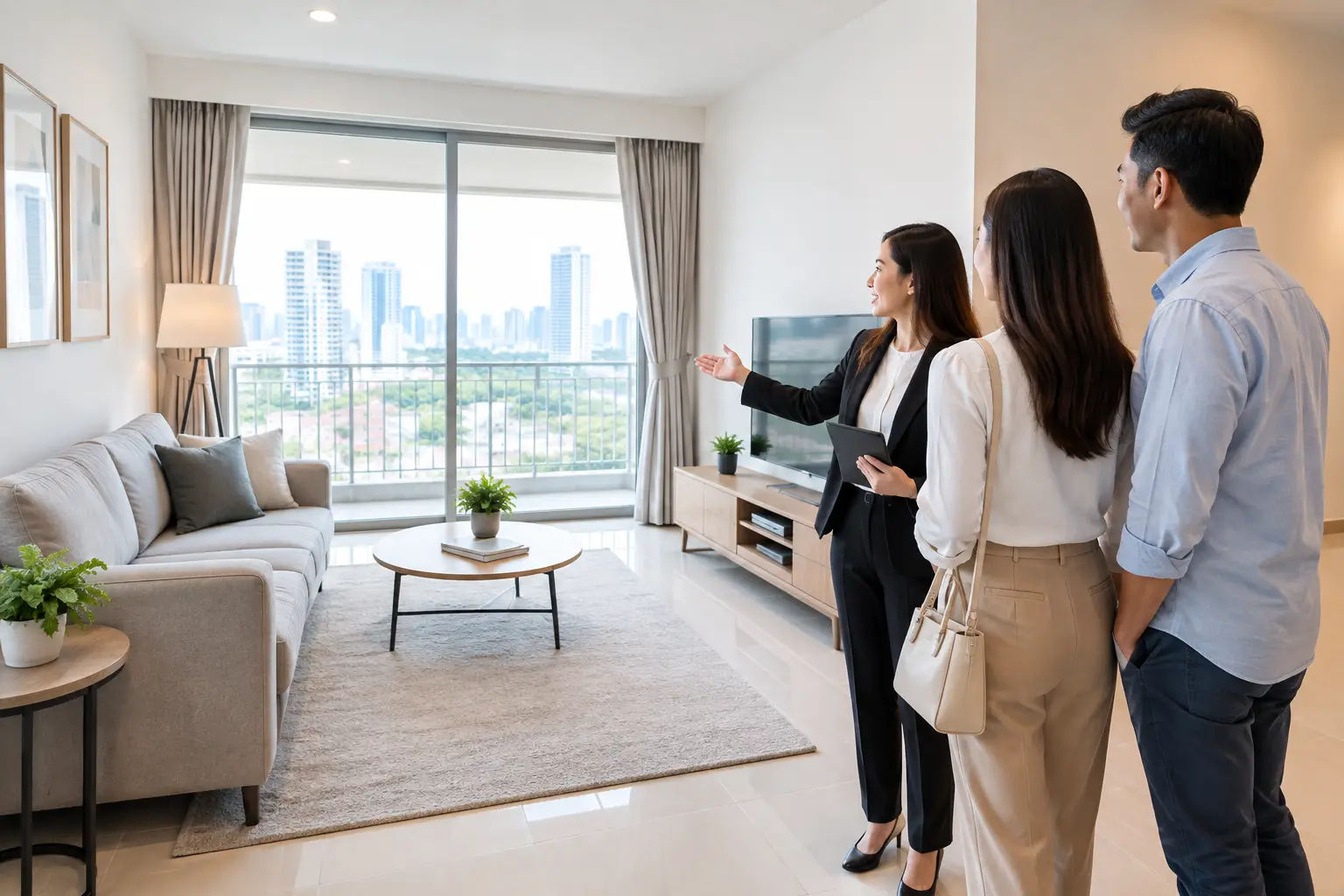
A vacant condominium may be clean, well located and correctly priced, yet still struggle to gain meaningful enquiries. On a property portal, tenants are comparing it with dozens of other homes in seconds. Staging rental yield is not about adding expensive furniture for its own sake. It is about presenting a property clearly enough that the right tenant can picture daily life there – and feel ready to enquire.
For Singapore landlords and property agents, presentation has a practical commercial role. Good furniture placement can make a compact living area easier to read, show that a second bedroom has a real purpose, and help photographs feel brighter and more considered. Those details can support stronger interest, reduce avoidable vacancy and put the landlord in a better position when discussing rent.
How staging rental yield is affected
Rental yield is generally measured as annual rental income against the property’s purchase price or current value. Staging does not alter that calculation directly. What it can influence are the two parts of rental performance that landlords feel most immediately: achievable rent and the number of vacant days between tenancies.
A well-presented home may attract more viewing requests than an empty unit with the same floor plan. More genuine interest gives an agent a clearer sense of market response and can reduce pressure to accept the first low offer. If a home is let even a few weeks sooner, the avoided vacancy can be significant over a year.
The effect depends on the property and its competition. A newer development in a sought-after location may already have strong demand, while an older or unusually laid-out unit may benefit more from thoughtful furnishing. Staging is not a substitute for realistic pricing, maintenance or a good location. It is a way of ensuring those strengths are visible rather than hidden behind empty rooms, dated pieces or clutter.
Photos set the first expectation
Most rental decisions begin before a viewing is booked. Tenants scroll quickly, particularly when they are relocating on a deadline. A room with no furniture can appear smaller than it is because there is no scale. A room filled with personal belongings can be equally difficult to understand.
Staging gives each key area a simple, recognisable function. A sofa and coffee table establish the living zone. A proportionate dining setting shows how people can move through the space. In a bedroom, a properly dressed bed helps tenants judge whether the room suits their needs. The aim is not to make the unit look like a showroom. It is to produce clear, appealing images that match the home a viewer will actually see.
Viewings become easier to imagine
During a viewing, tenants are often making several practical judgements at once. Will my furniture fit? Is there room to work from home? Can I host a meal here? Is this bedroom large enough for a child, a guest or storage?
A staged setting answers some of those questions quietly. It shows circulation space, proportions and possible uses without an agent having to explain every corner. This matters particularly for vacant units, compact city homes and properties where the layout is less obvious from the floor plan. A tenant who can understand the home quickly is more likely to engage with its advantages.
Staging rental yield versus furnishing for tenancy
These two approaches overlap, but they serve different moments in the rental journey. Staging is presentation-led. It is usually arranged before marketing and during viewings, with furniture and accessories chosen to make the property photograph and show well. The selection may be limited to the rooms that shape first impressions most strongly.
A furnished rental setup is designed for the tenant’s everyday use. It needs durable, practical pieces, appropriate storage, and a clear agreement about what remains in the property. For corporate tenants and incoming expatriates, a move-in-ready home can be a deciding factor, especially when they do not want to purchase household furniture after arriving in Singapore.
Some landlords need only short-term staging to help secure a tenancy. Others choose a rental furniture package so the property can be marketed and handed over as a furnished home. The right choice depends on the target tenant, likely tenancy length, building profile and budget. A premium unit aimed at relocating professionals may justify a more complete setup, while a home likely to be rented unfurnished may only need presentation furniture until the lease is signed.
Where to spend the staging budget
The best staging plan is rarely the one with the most items. It is the one that directs the budget towards the rooms tenants notice first and the questions they need answered. In many flats and condominiums, the living-dining area, primary bedroom and any flexible room used as a study deserve priority.
Start with the listing brief. Consider the tenant profile, the monthly rent being sought, the property’s strongest feature and its main visual weakness. A family-oriented home may need a convincing dining area and comfortable bedrooms. A one-bedroom unit near business districts may benefit from a neat work corner and a relaxed living space. A landed home may require more careful zoning so large rooms do not feel sparse.
Furniture scale matters as much as style. Oversized sofas, heavy dark cabinets and too many accessories can make a space feel constrained. Lightweight, neutral pieces often allow the room and natural light to do the work. Colour can add warmth, but it should not distract from views, flooring or the property’s architectural details.
It is also sensible to address small maintenance issues before staging begins. Scuffed walls, faulty lights, stained curtains and poor cleaning can undermine otherwise thoughtful presentation. Tenants will notice these points during a viewing, and photographs may make them more obvious than expected.
A practical way to assess the return
Rather than treating staging as a purely aesthetic expense, assess it against a realistic rental outcome. Begin with the expected monthly rent for a comparable well-presented unit. Then consider how many vacant days the property could avoid if it receives better enquiries and is ready to market promptly.
For example, a landlord should not assume that staging will automatically support a large rent increase. In a tightly priced market, its value may be in helping the property achieve its intended rent sooner rather than requiring a reduction after several quiet weeks. In another case, a furnished setup may widen the pool of corporate or relocating tenants who are prepared to pay for convenience.
Keep the comparison practical. Account for the furniture rental or staging fee, delivery, installation, collection, cleaning and any expected repair work. Then weigh those costs against potential vacancy, discounting and the time an agent spends repeatedly showing a property that is not connecting with viewers. This creates a more useful decision than focusing only on the headline rental rate.
Plan the handover before the listing goes live
Timing is often where a promising rental campaign becomes stressful. Ideally, photography should happen after the property has been cleaned, staged and checked in natural light. The listing can then go live with a complete set of consistent images rather than being updated gradually while the unit is still being prepared.
For furnished rentals, confirm what is included, the condition of each item and who is responsible for reasonable care during the tenancy. A clear inventory protects both landlord and tenant. If furniture is rented rather than purchased, make sure the rental period, extension options and collection date suit the expected lease arrangements.
Working with a furnishing partner can reduce the coordination involved in sourcing pieces, arranging delivery and preparing the home for photography. Expats Partner can support this process with furniture rental, styling, installation and collection, allowing agents and landlords to keep their attention on pricing, marketing and tenant discussions.
A rental property does not need to look extravagant to make a stronger impression. It needs to feel clean, useful and easy to understand. When tenants can see how they would live in the space, the conversation moves more naturally from viewing a listing to making it home.