
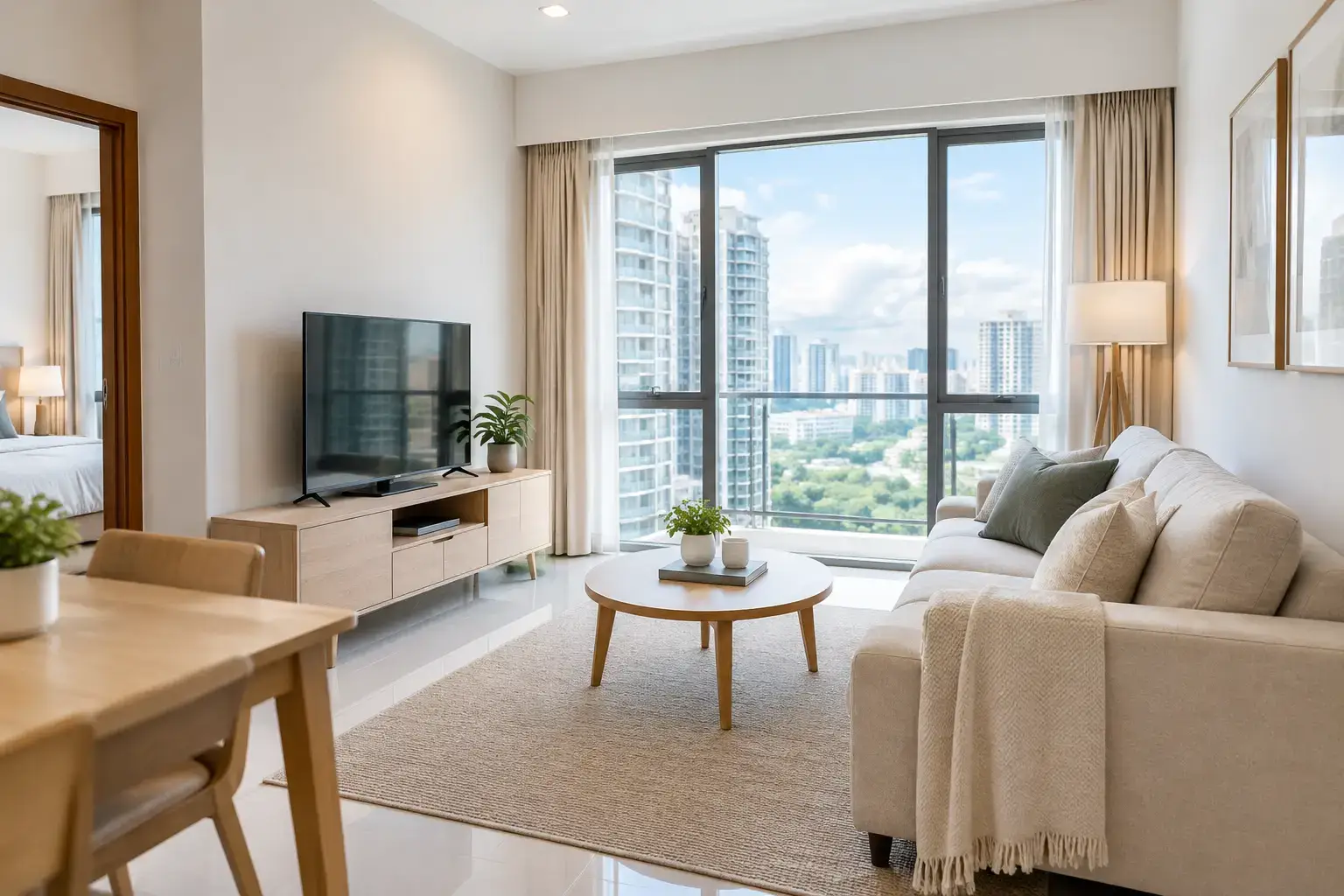
A vacant living room can look generous during a viewing yet appear oddly small in a property listing. An owner-occupied home may be full of character, but heavy furniture, personal items and unused corners can distract buyers from the layout. The most useful staging success stories begin with these familiar problems, then solve them in a way that makes the home easier to understand at first glance.
For property agents, sellers and landlords in Singapore, staging is not about making every home look like a showroom. It is about presenting the right scale, purpose and feeling for the likely buyer or tenant. When furniture, lighting and accessories are chosen with care, the result is clearer photos, more confident viewings and a property that feels ready for its next chapter.
What staging success stories have in common
The strongest outcomes are rarely caused by one statement piece of furniture. They come from practical decisions made before the photographer arrives: deciding which rooms need definition, creating clear pathways, reducing visual noise and choosing pieces that suit the size and price point of the property.
A staged home gives viewers useful visual cues. A sofa and rug establish the living area. A properly sized dining table shows that meals can be shared comfortably. A bed, side tables and soft furnishings help buyers judge whether a bedroom works for everyday life. These details answer questions that an empty floor plan cannot.
Good staging also respects the property itself. A compact city flat needs a lighter touch than a spacious landed home. A family-focused condominium may benefit from a welcoming dining setting and a flexible study area, while an investor-owned unit for rent may need durable, neutral furnishings that help prospective tenants picture an easy move-in. The approach depends on the audience, timeline and condition of the home.
A vacant condominium that finally felt like a home
Consider a vacant two-bedroom condominium that had been photographed with bare rooms. The listing was clean but gave little sense of proportion. Online viewers could see the windows and flooring, yet it was difficult to tell how a sofa, dining table or work area might fit.
The staging plan did not need excessive furniture. A compact sofa, armchair and coffee table created a natural conversation area without blocking the view. A round dining table softened the open-plan space and demonstrated circulation between the kitchen and living room. In the second bedroom, a desk and occasional chair positioned the room as a workable study rather than an uncertain spare space.
The difference in photographs was immediate: each room had a purpose, and the home appeared more usable without being overfilled. At viewings, visitors no longer had to estimate where furniture would go. They could walk through a believable version of daily life. This is particularly helpful for buyers comparing several similar units in the same development, where a clearer presentation can make one listing easier to remember.
Why less furniture often works better
Vacant homes can tempt sellers to fill every corner, especially when they are concerned the space may feel empty. In practice, too many pieces can make rooms look smaller and draw attention away from the architecture. The aim is to establish scale, not to furnish a permanent home in full.
A thoughtful staging partner considers sightlines from the entrance, balcony access, window light and the angles most likely to be photographed. Furniture rental is useful here because pieces can be selected for the marketing period and collected afterwards, rather than purchased for a temporary need.
An older home with a clearer first impression
Older properties often have features that buyers value, such as larger rooms, established greenery or a practical layout. They can also carry visual weight from dated furnishings, dark curtains, crowded display cabinets or years of accumulated belongings. Asking an owner to remove everything is not always realistic, especially when a sale needs to proceed quickly.
In one common staging scenario, the goal is not a complete clear-out but selective editing. Personal photographs, excess ornaments and bulky items are removed or stored where possible. Existing furniture that is still useful may remain, while tired or mismatched pieces are replaced with neutral rental items. Fresh bedlinen, cushions, lamps and restrained accessories bring lightness without disguising the character of the home.
This approach helps buyers focus on room size and potential rather than the seller’s possessions. It can also make the photography feel more current while keeping the preparation manageable for the household. There is a trade-off, of course. Partial staging works best when the existing furniture is in reasonable condition and the home can be kept tidy for viewings. If the layout is heavily crowded or the pieces are visibly worn, a fuller staging plan may be more effective.
A rental listing prepared for faster decisions
Staging is just as relevant to landlords as it is to sellers. A furnished rental can help tenants assess whether the space supports the way they live, particularly expatriates arriving with limited time to source furniture. Yet buying a full set of furnishings outright can be difficult to justify when lease terms, tenant preferences and future plans are uncertain.
A landlord preparing a one-bedroom unit may choose a furniture rental package that includes the essentials: a comfortable sofa, dining set, bed, storage and practical lighting. The styling should feel polished but durable, with a neutral palette that photographs well and suits a broad range of tenants. A small work surface may be worthwhile where the layout allows, as hybrid working remains part of many tenants’ routines.
The value is not only visual. A ready-to-view unit reduces coordination for the landlord and gives agents stronger material for marketing from the outset. Delivery, installation and later collection can be arranged around the tenancy period, avoiding the need to store unwanted furniture between tenants.
Presentation should support the rental strategy
Not every rental needs the same level of furnishing. A premium corporate lease may call for more complete styling and higher-specification pieces. A shorter-term letting may prioritise practicality, easy maintenance and speed. The right decision depends on expected rent, tenant profile, lease length and the level of competition within the development.
What remains consistent is the need for the property to look considered. Tenants often make quick judgements from listing photos. A clean, furnished space makes it easier to imagine arrival day, rather than adding another task to an already demanding relocation.
Making the process easier for agents and owners
The operational side of staging matters as much as the finished photographs. Property marketing deadlines can be tight, and an agent should not need to coordinate multiple furniture suppliers, delivery teams and installers while arranging photography and viewings.
A well-managed staging service begins with an assessment of the property, its likely audience and the rooms that will have the greatest effect on the listing. From there, furniture and accessories are selected, delivered and installed as a coordinated set. Once the sales or rental period ends, the collection process should be equally straightforward.
At Expats Partner, this practical approach is central to the service. Well-maintained pre-owned furniture can offer a cost-conscious and more sustainable option for temporary staging, while new pieces can be sourced where a particular brief requires them. The focus stays on presenting the property clearly, not on asking clients to commit to furniture they will not need later.
Before staging begins, it helps to agree on three things: the intended viewer, the key rooms to feature and the date the property needs to be camera-ready. These decisions keep the styling focused and prevent last-minute additions that do little for the final presentation.
A successful staged home should still feel believable. Buyers and tenants do not need an elaborate set. They need enough visual reassurance to see how the space works, how it could feel on an ordinary day and why it deserves a closer look. When that happens, better photos are not simply prettier images. They become a more honest and useful invitation to step inside.