
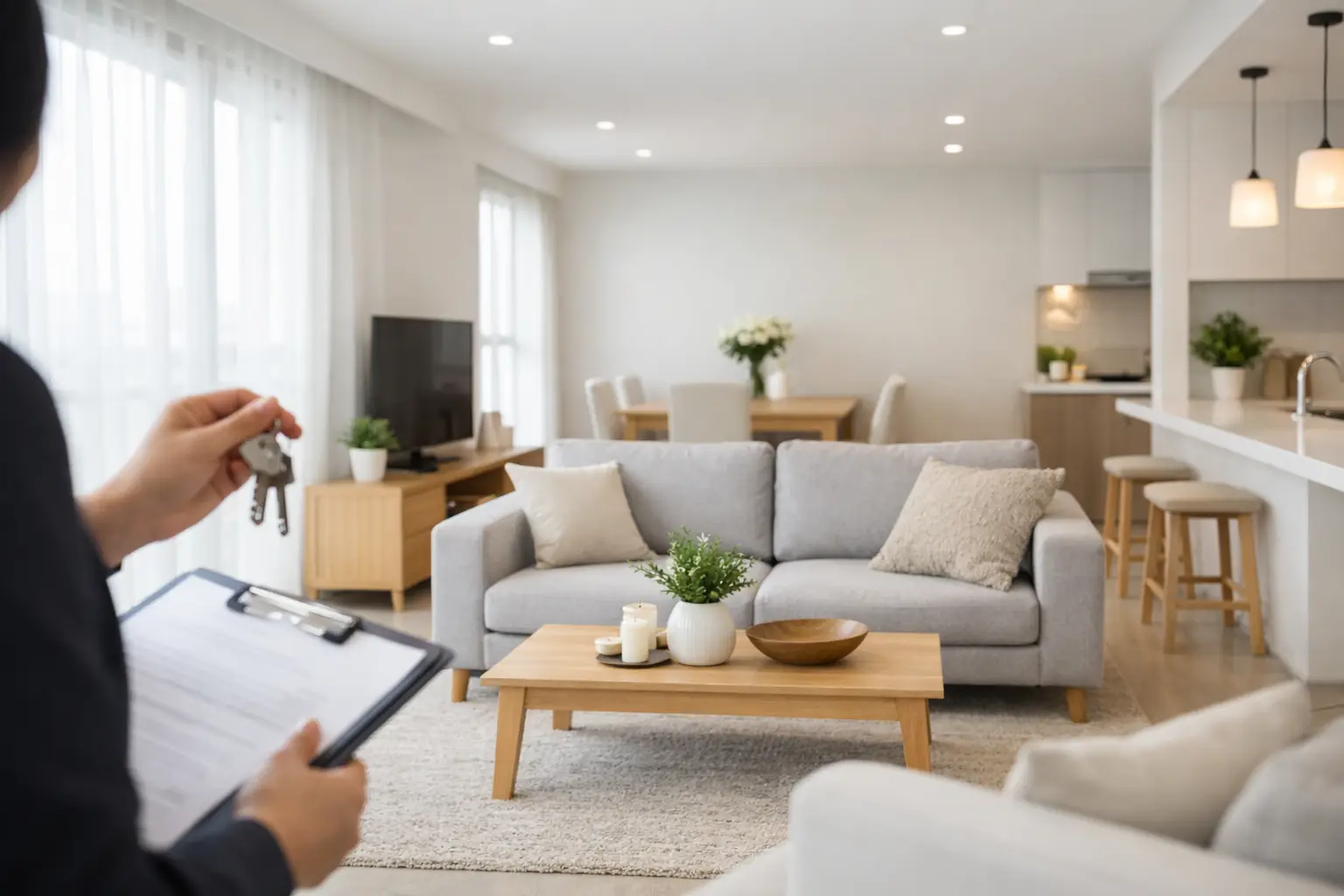
A vacant property can look larger than it is in photographs, yet feel strangely difficult to understand at a viewing. A bare living room offers no sense of scale. An empty bedroom may be mistaken for a study. For agents, sellers and landlords, staging vacant properties helps remove that uncertainty before it affects a buyer’s or tenant’s interest.
The aim is not to fill every corner with furniture. It is to present a home that feels considered, functional and easy to picture living in. When each room has a clear purpose, the listing photographs become more engaging and viewings begin with less explanation.
Why empty homes can be harder to market
An unfurnished flat gives people very little context. Buyers may struggle to judge whether a sofa will fit, where they would place a dining table, or how a compact bedroom could work for daily life. This is especially common in Singapore condominiums, where layout efficiency matters and rooms can look very different once furnished.
Empty rooms also tend to photograph harshly. Light can bounce off blank walls and bare floors, making the space feel cold or exposing features that would be less noticeable in a lived-in setting. A thoughtfully styled room softens this effect without hiding the property itself.
There is a practical marketing issue too. Most prospects first encounter a property on a listing portal or social post. If the images do not hold attention, they may move on before arranging a viewing. Good staging gives the photographer useful focal points and helps a listing communicate lifestyle as well as floor area.
What staging vacant properties should achieve
Effective staging makes a property easier to read at a glance. A living area should show how people can relax and entertain. A dining space should demonstrate that meals can be comfortably shared there. Bedrooms should feel calm, proportionate and usable rather than like empty boxes.
This clarity is often more valuable than a highly decorative scheme. Neutral furniture, suitable rugs, lamps, artwork and soft furnishings can add warmth while allowing prospective buyers to focus on the home’s architecture, views and natural light. The styling should support the property, not compete with it.
For a landlord preparing a rental unit, the approach may be slightly different. The presentation needs to feel welcoming but also practical for the likely tenant profile. A one-bedroom unit near a business district may benefit from a compact work area, while a family-sized home needs to show comfortable dining and bedroom arrangements. The right plan depends on the property, target market and likely tenancy period.
Start with the rooms that influence decisions
Not every room needs the same level of attention. When budgets or timelines are tight, focus first on the spaces that carry the most weight in photographs and viewings: the living room, dining area, main bedroom and any awkward room that needs a clearer purpose.
The living room is usually where visitors form their first impression of the home’s everyday potential. A correctly sized sofa, coffee table and rug establish the room’s scale. They can also show a natural route through the space, which is useful in open-plan layouts where buyers may otherwise be unsure where one zone ends and another begins.
In bedrooms, restraint matters. A bed with simple bedding, bedside tables and modest accessories often does enough. Oversized furniture can make a room seem smaller, while very little furniture can leave it feeling unfinished. The goal is an honest, comfortable picture of how the room works.
Secondary bedrooms deserve thought as well. Leaving them entirely empty can invite doubts about their size. Presenting one as a child’s room, guest room or study gives it a clear role. However, it is better to choose the use that genuinely suits the layout than to force a fashionable home-office setup into a room that is clearly intended as a bedroom.
Choose furniture for proportion, not just appearance
A polished interior starts with sensible space planning. Furniture should suit the dimensions of the room, ceiling height, light levels and circulation routes. A beautiful but oversized sectional can block a balcony door or make a narrow living space feel cramped. Conversely, furniture that is too small can make a generous room feel sparse and less valuable.
This is where rental furniture can be particularly useful. It allows agents and owners to select pieces for the property in front of them, rather than relying on whatever happens to be available. It also avoids the cost and inconvenience of purchasing, storing and later disposing of furnishings for a short sales campaign or tenancy preparation.
Colour should be calm and broadly appealing. Soft neutrals, natural textures and a small amount of contrast tend to photograph well across many property types. A few cushions, greenery or artwork can add personality, but personal taste should not dominate the room. Buyers need space to imagine their own belongings there.
Prepare for photography and viewings together
Staging is most useful when it works beyond the photo shoot. A room that looks appealing from one camera angle but feels awkward in person will not support a confident viewing experience. Walk through the property as a visitor would. Check that doors open fully, pathways are clear and furniture does not obscure storage, windows or key features.
Natural light should be used wherever possible. Open curtains and blinds before photography, clean visible glass and position furniture so it does not block the brightest areas. In a darker unit, well-placed lamps can make the space feel more comfortable, particularly for evening viewings.
Small finishing details help the home feel cared for. Make sure floors are clean, air-conditioning units and switches are presentable, and any minor repairs are completed before furniture arrives. Staging cannot compensate for a leaking tap, damaged wall or poor odour. Addressing these basics protects the impression created by the styling.
Keep the staging period flexible
A seller may expect an offer within weeks, while a slow-moving listing can need a longer campaign. Landlords may also need to stage a unit briefly before deciding whether to lease it furnished. Flexible rental arrangements make it easier to match the furnishing period to the property’s actual timeline rather than committing to a permanent purchase.
Timing is equally important. Ideally, the property should be cleaned, repaired and ready for photography as soon as the installation is complete. Delays between setup and marketing can reduce the value of the staging period. Agents benefit from agreeing access, photography dates and collection plans early, particularly where building management requires booking slots for lorry deliveries.
A hands-on staging partner can coordinate delivery, installation and collection, leaving agents free to manage enquiries and viewings. Expats Partner approaches this as a practical property-presentation service, with curated furniture chosen to suit the home and the market it needs to reach.
When lighter staging may be enough
Full furniture staging is not always necessary. A recently renovated unit with strong built-in storage, attractive lighting and a very clear layout may only need selected pieces in the main living area and bedrooms. In other cases, a large landed property may need more complete furnishing to prevent its rooms from feeling disconnected.
The decision should reflect the property’s condition, price point, expected audience and marketing plan. A premium home may call for a more layered look, while a straightforward rental listing may simply need to show that the rooms are practical and ready for occupation. The most suitable staging is the one that makes the next decision easier for the person viewing it.
A vacant home does not need to remain an abstract space while it is on the market. Give each key room a purpose, make its proportions clear and create photographs that invite people to look closer. That preparation can make every viewing feel less like a blank canvas and more like a place someone could genuinely call home.