
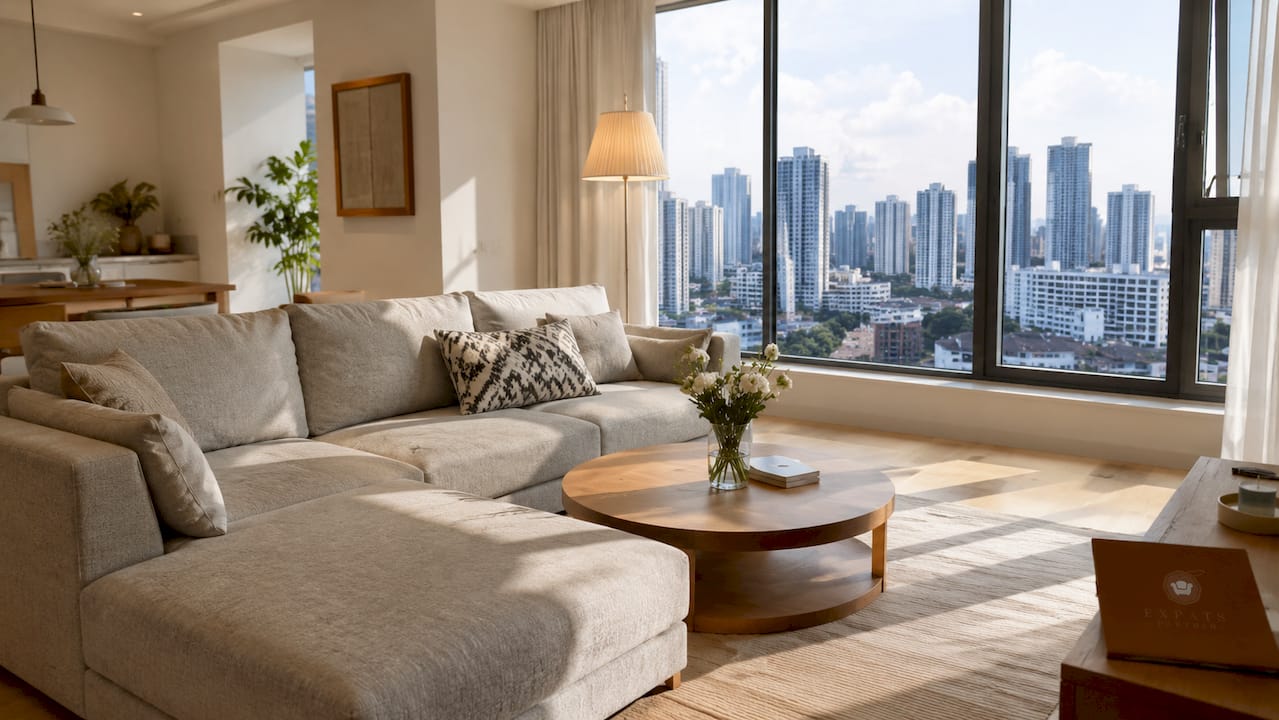
Home staging is defined as the strategic preparation of a property to make it as appealing as possible to prospective buyers before it goes to market. Sellers and agents who understand why to stage property before selling gain a measurable advantage: staged properties sell 1% to 10% higher than unstaged equivalents and spend significantly less time on the market. Staging is not interior decoration. It is a marketing discipline, and in Singapore’s competitive residential property market, it is one of the most cost-effective steps a seller can take.
Why stage property before selling: the core case
Home staging works because buyers make emotional decisions first and rational ones second. A well-staged property gives buyers a clear, calm picture of how they might live in the space. An empty or cluttered home forces them to do that imaginative work themselves, and most buyers cannot.
The financial case is direct. Investing roughly 1% of a property’s sale value in staging can yield a return of 5% to 15% above the final sale price. On a S$1.5 million condominium in Singapore, that means a staging budget of around S$15,000 could generate an additional S$75,000 to S$225,000 at sale. That is not a decorating expense. That is a marketing investment with a measurable return.
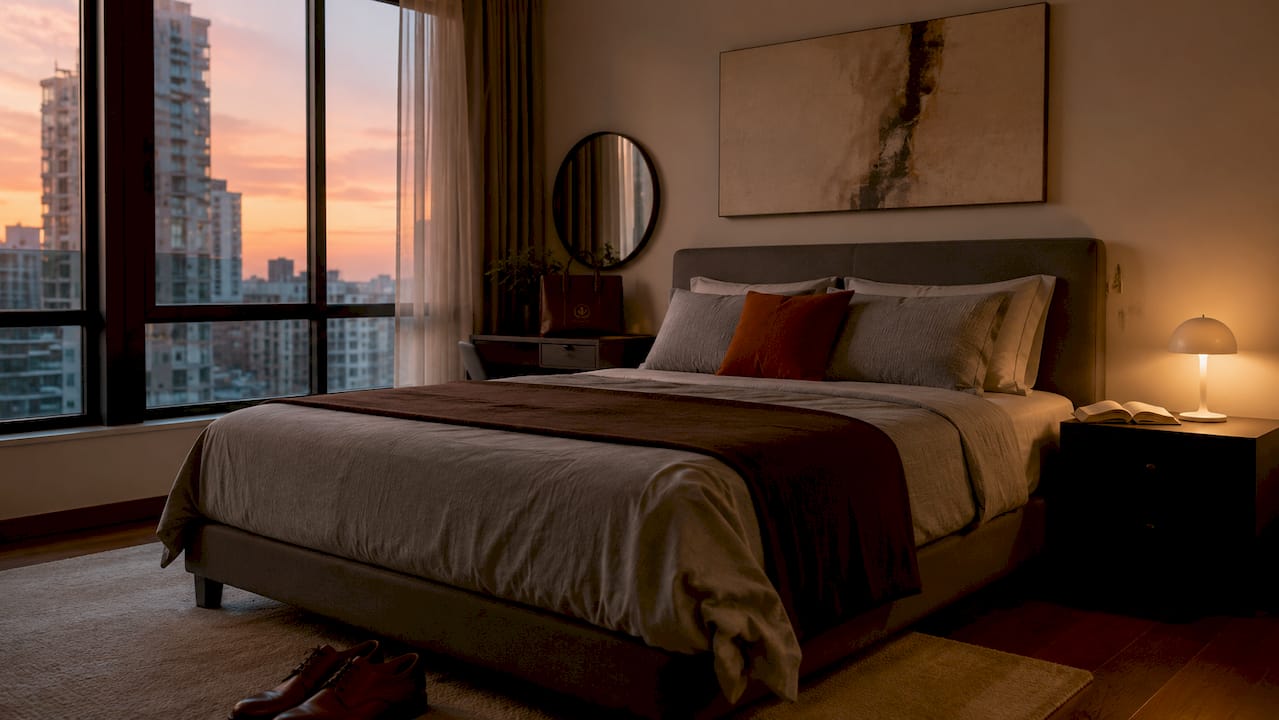
The impact on time is equally significant. Staged homes sell on average in 23 days, compared to 184 days for non-staged homes. Fewer days on the market means lower holding costs, less negotiating pressure, and a stronger position for the seller.
The key benefits of staging a home before listing include:
- Higher sale price. Staged properties consistently attract stronger offers than bare or cluttered equivalents.
- Faster sale. A well-presented home generates more viewings and moves through the sale process more quickly.
- Better online photos. Staging produces listing images that stand out, which matters because most buyers begin their search online.
- Reduced negotiation pressure. A viewing-ready home gives buyers fewer reasons to push for price reductions.
- Broader buyer appeal. Neutral, depersonalised styling attracts a wider range of buyers across different tastes and backgrounds.
Why do buyers and agents value staged homes?
Buyer psychology sits at the heart of staging’s effectiveness. Buyers need to picture themselves living in a property, not the current owner. Personal photographs, bold colour choices, and oversized furniture all pull attention away from the home’s actual features and towards the seller’s lifestyle.
Professional staging creates a neutral backdrop that removes personal items and keeps buyers focused on the property’s potential. This is the single most important function of staging. It is not about making a home look expensive. It is about making it easy to imagine.
“83% of buyers’ agents report that staging makes it significantly easier for buyers to visualise the property as their future residence.”
National Association of REALTORS, 2025 Profile of Home Staging
That figure carries real weight. When the vast majority of agents on the buying side say staging helps their clients connect with a property, sellers who skip staging are working against the process from the start.
Nearly half of agents say staged homes increase a buyer’s willingness to visit after viewing an online listing. This connects directly to the digital dimension of modern property sales. The first impression of a home is no longer the front door. It is the listing photo on a property portal. Staging produces images that are clean, proportionate, and easy to read at a glance.
How to stage a property: practical steps for Singapore sellers
Staging a Singapore property well does not require a complete refurbishment. It requires a clear process applied consistently across the key rooms buyers care about most.
- Declutter every room. Remove personal items, excess furniture, and anything that makes rooms feel smaller or busier than they are. This applies to condos, HDB flats, and landed homes equally. Buyers in Singapore often view multiple properties in a single afternoon, and a cluttered space is forgotten quickly.
- Depersonalise the space. Take down family photographs, remove personalised décor, and store away items that reflect the current owner’s specific tastes. The goal is a home that any buyer can picture as their own.
- Prioritise the living room, master bedroom, and kitchen. These three rooms carry the most weight in a buyer’s decision. A well-arranged living room signals comfort and space. A calm, clean master bedroom suggests rest and privacy. A tidy kitchen communicates care and practicality.
- Bring in neutral, well-proportioned furniture. Oversized sofas or mismatched dining sets distort a room’s perceived scale. Rental furniture in neutral tones, sourced through a service like Expats Partner’s home furniture rental, gives sellers access to appropriately sized, visually consistent pieces without the cost of purchasing new items.
- Add considered finishing touches. Fresh white towels in the bathroom, a simple centrepiece on the dining table, and good lighting in darker rooms all contribute to a sense of care and quality. These details cost very little and photograph well.
- Check lighting throughout. Singapore’s high-rise properties often have limited natural light in certain rooms. Replace dim bulbs, open blinds fully, and consider adding a floor lamp to any room that feels flat.
Pro Tip: Partial staging, where you stage only the living room and master bedroom and leave secondary bedrooms empty, is a cost-effective approach for sellers working within a tighter budget. Buyers consistently rank these two rooms as the most influential in their decision.
How staging influences sale outcomes in Singapore’s 2026 property market
Singapore’s residential property market in 2026 remains competitive. Buyers are well-informed, viewings are often arranged through online listings, and properties that do not photograph well receive fewer enquiries. Staging addresses all of these pressures directly.
The impact of staging on sales is most visible in two areas: final sale price and time on the market. Both metrics improve consistently when a property is staged before listing.
| Metric | Staged property | Unstaged property |
|---|---|---|
| Average days on market | 23 days | 184 days |
| Sale price outcome | 1%–10% above asking | At or below asking |
| Buyer enquiry rate | Higher after online listing | Lower; fewer viewings generated |
| Negotiation position | Stronger; fewer price objections | Weaker; buyers cite condition concerns |
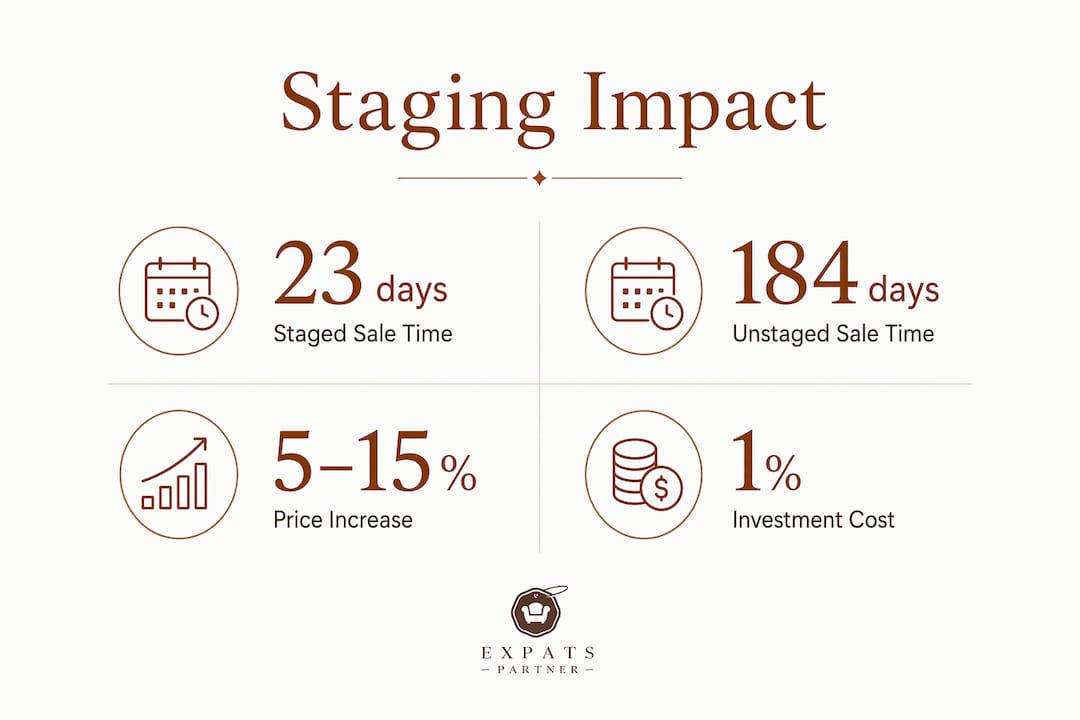
The data points to a clear pattern. Staged homes attract more interest, sell faster, and close at stronger prices. The gap between staged and unstaged outcomes is not marginal. It is the difference between a sale that completes in under a month and one that lingers on the market for six.
Treating staging as a marketing cost rather than a luxury changes how sellers approach the decision. A seller who budgets for staging alongside photography and agent fees is thinking about the sale correctly. A seller who views staging as optional is likely leaving money on the table.
Pro Tip: Plan staging before your property is listed, not after it has sat on the market without interest. Relisting a property after staging can work, but the strongest results come when buyers encounter a staged home from the very first day it appears online.
For sellers and agents who want a deeper look at the local market context, the home staging trends Singapore page covers what is working in 2026 across different property types.
Key takeaways
Staging a property before selling is the single most cost-effective marketing step a seller can take to secure a faster sale and a stronger final price.
| Point | Details |
|---|---|
| Staging delivers measurable ROI | A 1% investment in staging can return 5%–15% above the final sale price. |
| Staged homes sell far faster | Staged properties sell in an average of 23 days versus 184 days for unstaged homes. |
| Buyer agents confirm staging works | 83% of buyers’ agents say staging helps buyers visualise the property as their future home. |
| Prioritise three key rooms | Focus staging effort on the living room, master bedroom, and kitchen for the strongest impact. |
| Rental furniture solves the personal attachment problem | Neutral rental pieces replace bulky or personal furniture without the cost of buying new items. |
Staging is a decision, not an afterthought
Having worked with sellers, landlords, and property agents across Singapore’s residential market, I have seen the same pattern repeat itself. Sellers who stage early and commit to the process sell faster and with less stress. Sellers who treat staging as optional often find themselves reducing their asking price weeks later to generate interest that staging would have created from day one.
The most common obstacle is personal attachment. Sellers often believe their existing furniture presents the home well. In most cases, it does not. Personal furniture reflects the owner’s life, not the buyer’s aspiration. Professional stagers have access to inventory and expertise specifically chosen to appeal to buyer demographics, not the seller’s own taste. That distinction matters more than most sellers expect.
The practical solution is straightforward. Remove bulky or personal pieces, bring in neutral rental furniture that fits the room’s scale, and focus on the rooms buyers care about most. This does not require a large budget. It requires a clear plan and the willingness to see the property through a buyer’s eyes.
Agents who recommend staging to their clients are not adding complexity to the sale. They are removing the most common reason buyers walk away without making an offer. A well-staged property answers the buyer’s unspoken question: “Can I see myself living here?” The answer, when staging is done well, is almost always yes.
— Expats Partner
Staging support for sellers and agents in Singapore
Expats Partner provides home staging in Singapore for property sellers, landlords, and agents across a wide range of residential property types, including condos, HDB flats, and landed homes.
For sellers who need neutral, well-proportioned furniture to replace personal or oversized pieces, Expats Partner offers flexible furniture rental packages with reliable delivery, setup, and collection. There is no need to purchase, store, or dispose of furniture after the sale. Packages are available for individual rooms or full homes, with clear pricing and straightforward rental terms. Contact Expats Partner to discuss a staging plan that fits your property, your timeline, and your budget.
FAQ
What does home staging mean?
Home staging is the process of preparing a property for sale by arranging furniture, removing personal items, and presenting rooms in a way that appeals to the widest range of buyers. The goal is to help buyers visualise the property as their future home.
Does staging help sell houses faster?
Staged homes sell on average in 23 days, compared to 184 days for non-staged properties. The difference is significant and consistent across property types.
Is staging worth the cost in Singapore?
Investing approximately 1% of a property’s sale value in staging can return 5% to 15% above the final sale price. For most Singapore properties, the return on staging investment is positive and measurable.
Which rooms should I prioritise when staging?
The living room, master bedroom, and kitchen have the greatest influence on buyer decisions. Staging these three rooms well delivers the strongest return, even when working within a limited budget.
Can I use rental furniture for staging?
Rental furniture is a practical and cost-effective solution for staging. It allows sellers to replace personal or oversized pieces with neutral, well-proportioned items without purchasing new furniture, and it is collected after the sale completes.