
Most landlords assume staging is an expense reserved for luxury sales listings. The reality is quite different. Property presentation, known formally as property staging or home staging, has a measurable effect on how quickly a rental finds a tenant. Research shows that staged homes spend 73 to 90% less time on the market compared with unstaged equivalents. For a vacant property sitting idle, that difference translates directly into lost income. This article covers what staging actually involves in a rental context, the data behind its impact, practical methods suited to different budgets, and how to think about presentation as a marketing investment rather than a decorating exercise.
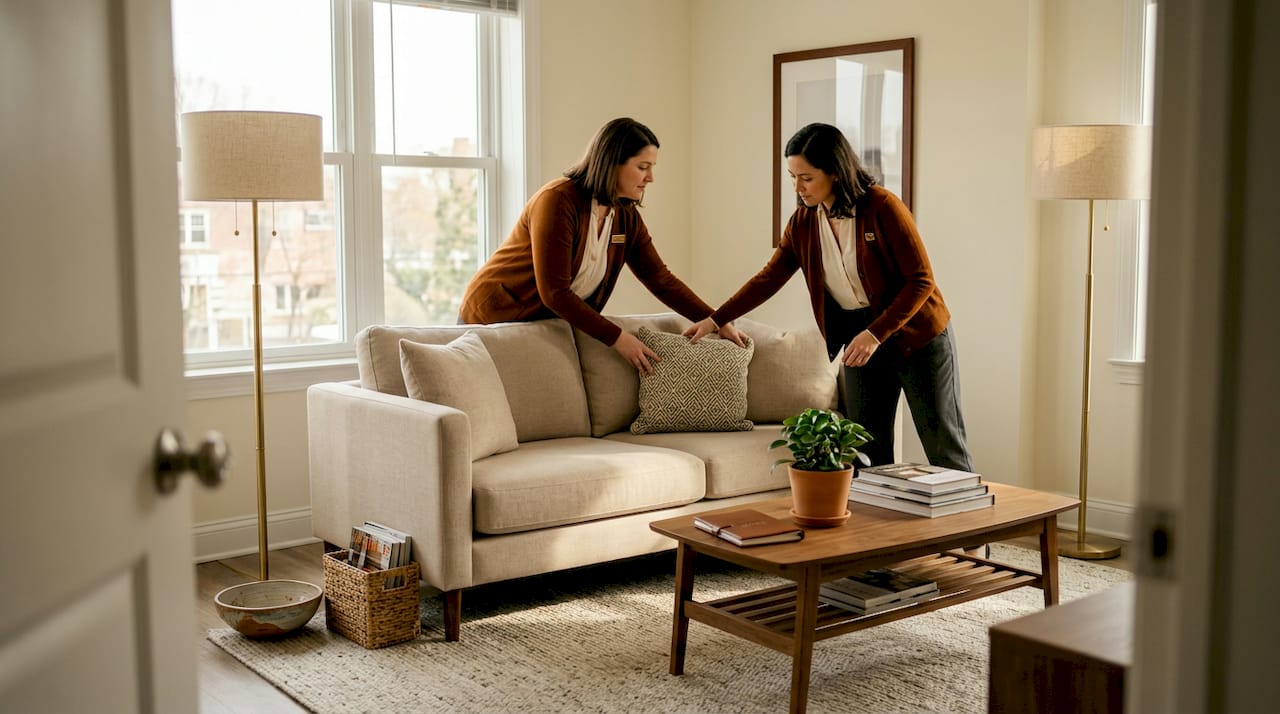
![Hero image showing a well-staged Singapore rental apartment living room with neutral furnishings, natural light, and clean lines]
Table of Contents
- Key takeaways
- Does home staging help rent out property faster?
- The data behind staging and rental speed
- Practical staging strategies for landlords
- Comparing staging methods
- How staging shapes tenant decisions
- My take on staging misconceptions
- Ready to stage your property and rent faster?
- FAQ
Key takeaways
| Point | Details |
|---|---|
| Staging reduces vacancy time | Presented properties can spend up to 90% less time on the market, cutting lost rental income significantly. |
| Photos drive initial interest | The first three listing photos determine most click-through rates, making staging for photography a priority. |
| Budget staging still works | Decluttering, lighting, and a few key furniture pieces in hero rooms deliver strong results without high spend. |
| Rental furniture is a practical option | Short-term furniture rental covers staging needs without permanent purchase, with clear logistics to manage. |
| Staging is a marketing tool | The goal is not decoration but helping prospective tenants picture themselves living in the space. |
Does home staging help rent out property faster?
The answer is yes, and the evidence is consistent. Staging in a rental context differs from staging for a sale. The objective is not to maximise a one-off transaction price. It is to shorten the vacancy window, generate qualified enquiries, and present the property in a way that makes a prospective tenant choose yours over the next listing in their search results.
Formally, property staging refers to the deliberate arrangement of furniture, lighting, and decor to improve how a space photographs and feels during viewings. In a rental setting, the focus tightens further around:
- Clarity: Showing the function of each room without ambiguity
- Neutrality: Using colours and furniture styles that appeal to a broad range of tenants
- Cleanliness: Presenting a property that feels well-maintained and move-in ready
- Lifestyle visualisation: Helping tenants mentally project their daily life into the space
An empty flat is harder to connect with emotionally. Rooms without furniture look smaller in photos. Tenants scrolling through dozens of listings on a portal have no particular reason to pause on an empty, poorly lit space. Staging is primarily about marketing the property effectively rather than changing its intrinsic value. That distinction matters because it reframes where your budget and effort belong.
The data behind staging and rental speed
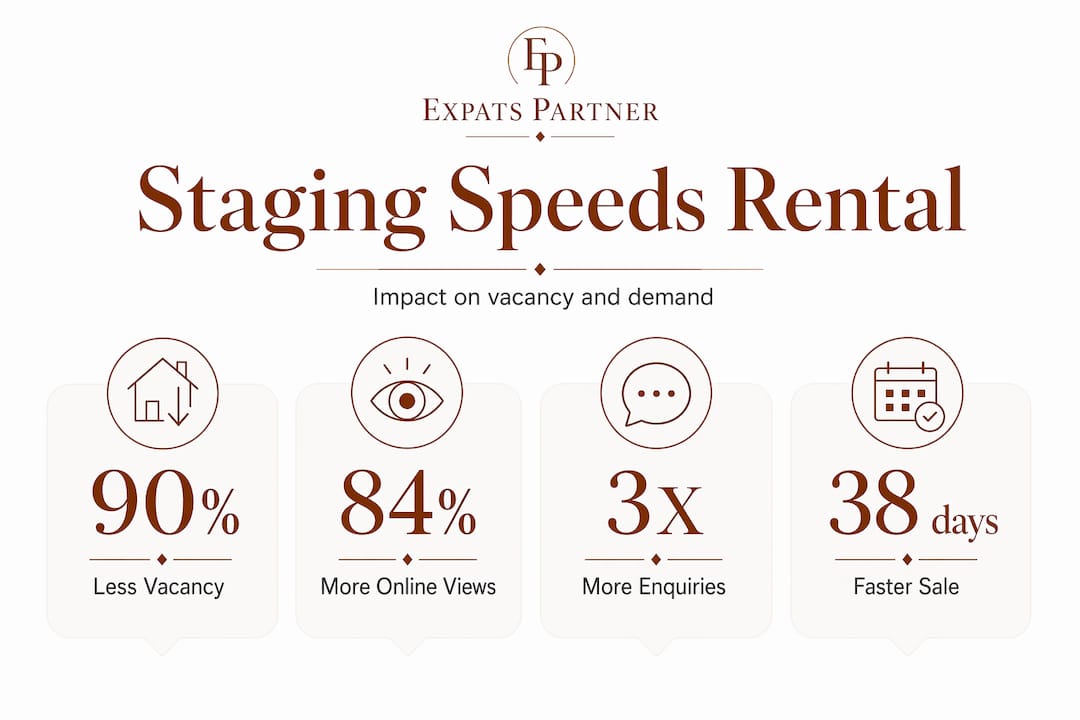
Numbers tell a clearer story than opinion here. Staged properties not only fill faster but also generate measurably better online engagement from the moment a listing goes live.
| Metric | Unstaged property | Staged property |
|---|---|---|
| Time on market | Baseline | 73–90% shorter |
| Online engagement | Baseline | Up to 84% higher |
| Qualified enquiries | Moderate | Roughly triple |
| Virtual staging ROI | N/A | 2,400% to 9,800% |
Staged homes attract 84% more online engagement and roughly triple the number of qualified enquiries compared with unstaged listings. That is not a marginal difference. It means fewer wasted viewings, fewer low-quality leads, and a shorter path to signing a tenancy agreement.
Virtually staged properties sold 38 days faster than unstaged ones across a study of 1,847 listings, with ROI figures ranging from 2,400% to 9,800% once carrying costs were factored in. Even at the conservative end, the cost of staging is recovered many times over by avoiding empty weeks.
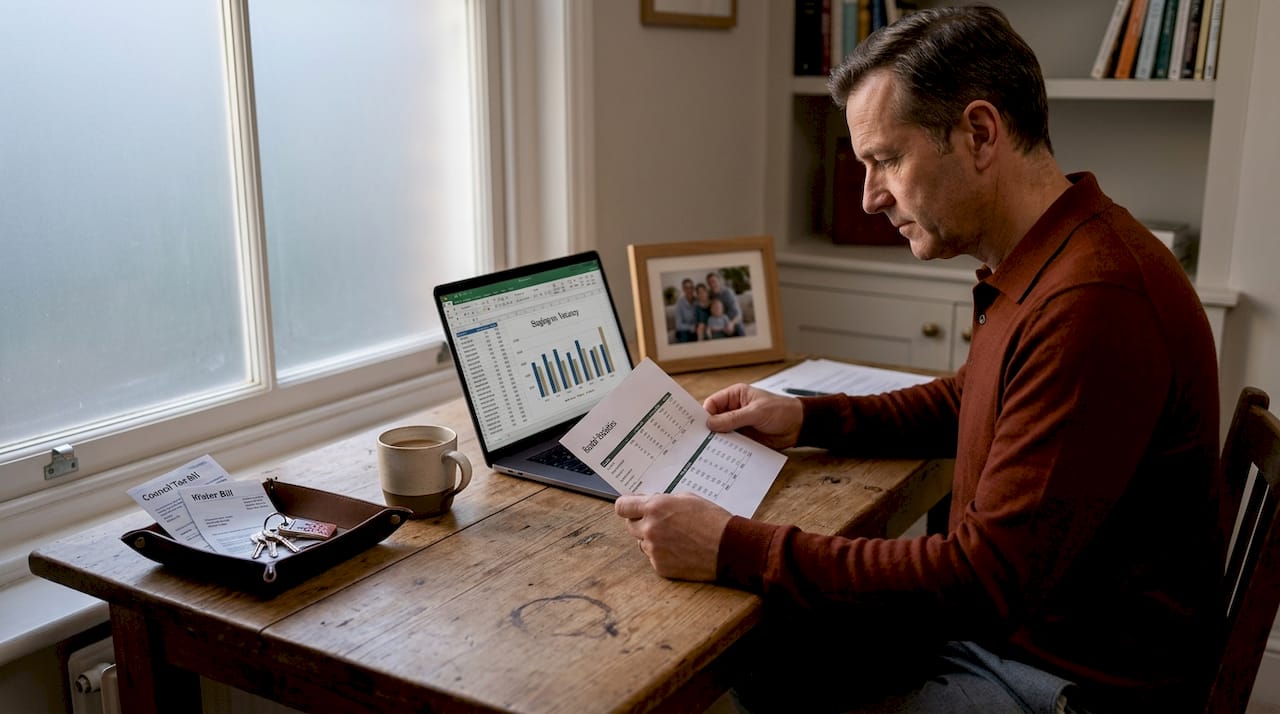
Pro Tip: Calculate your daily vacancy cost first. Divide your monthly rent by 30. If staging costs $800 and your daily rate is $80, you only need to fill the property 10 days faster to break even. Most staged properties outperform that margin considerably.
Professional staging typically costs between $675 and $1,800 for a full arrangement, while DIY staging under $1,000 is achievable with the right focus. The ROI calculation nearly always favours some level of presentation investment.
Practical staging strategies for landlords
You do not need a professional interior stylist or a full furniture purchase to present a rental property well. Targeted effort on a few key areas delivers the most return.
- Declutter before anything else. Remove all personal items, excess furniture, and anything that makes rooms feel smaller or lived-in by someone else. A good rule of thumb is to remove 50% of personal items and leave storage spaces roughly 70% full, which suggests ample capacity to prospective tenants.
- Deep clean every surface. Presentation starts with cleanliness. Grout lines, windows, light switches, and skirting boards all register subconsciously. A clean property signals that you are a reliable landlord and that the unit has been well cared for.
- Fix the lighting. Replace any dead bulbs and add warm-toned lamps to living areas and bedrooms. Bright spaces photograph well and feel welcoming during viewings. This is one of the highest-impact, lowest-cost adjustments available to any landlord.
- Stage the hero rooms first. Focus staging efforts on the living room, kitchen, and primary bedroom. These three spaces generate the majority of listing clicks and enquiries. An attractive sofa arrangement, a clear kitchen counter, and a well-made bed do more work than staging a full property minimally throughout.
- Keep furniture placement simple. Avoid over-decorating. Too many accessories create visual noise in photos and make rooms look smaller. Aim for calm, open arrangements with clear sightlines from the doorway.
- Use neutral tones. Bright or highly personalised colour schemes narrow the pool of tenants who can imagine themselves in the space. Whites, warm greys, and natural wood tones work well across most demographics and property types.
Pro Tip: Book your listing photography immediately after staging is complete, before any dust settles or items are moved. Listing photos taken in a freshly staged space have a noticeably different quality to those taken after a few weeks of showing.
Comparing staging methods
Not every landlord has the same budget or timeline. Three main approaches exist, each with different cost profiles, logistics, and impact on rental speed.
Traditional staging with physical furniture involves placing real furniture and accessories in a vacant property before photography and viewings. It creates the strongest impression during in-person visits and photographs well. The main considerations are rental terms, delivery setup, and delivery and pickup fees that need to be factored into your total budget. Minimum rental periods of one to three months are standard.
Virtual staging digitally adds furniture to photographs of empty rooms. It is cost-effective and fast, making it useful when a quick listing turnaround is needed. The limitation is that viewings still show an empty space, which creates a disconnect for tenants who arrived expecting what they saw in the photos.
Furniture rental for staging sits between the two. You rent physical furniture for a defined period, covering the listing photography window and the viewing period. Once a tenant is secured, furniture can be returned, swapped, or in some cases retained by the incoming tenant if they prefer a furnished arrangement.
| Method | Approximate cost | Best suited for | Impact on viewing experience |
|---|---|---|---|
| Traditional / rented furniture | $500–$2,500+ | Vacant or part-furnished units | High, consistent with photos |
| Virtual staging | $50–$300 per room | Quick digital listings | Moderate, photos only |
| DIY staging with owned items | Under $500 | Part-furnished properties | High if executed carefully |
- Rented furniture works well for staging rental photography because it aligns what tenants see online with what they see in person
- Virtual staging suits landlords who need to list quickly before furniture is sourced
- DIY staging is most effective when the property already has quality furniture that simply needs rearranging and editing
How staging shapes tenant decisions
Tenants browsing rental portals make fast judgements. Studies suggest they spend only seconds deciding whether a listing photo warrants further attention. Better visual presentation creates urgency and trust in digital-first rental markets. A well-presented listing does not just look better. It signals that the landlord is attentive, the property is well-maintained, and the tenancy will be managed professionally.
Storytelling through staging creates an emotional engagement that tenants need when choosing one property over another. A dining table with two chairs suggests a comfortable evening meal. A reading corner with a lamp and a plant suggests a home with calm, liveable space. These small cues help tenants picture their daily life, and that picture is what drives the decision to book a viewing and subsequently sign a lease.
There is also a practical algorithmic dimension. Rental portals rank listings partly based on click-through rates and time spent on page. Empty or poorly presented listings get ignored by tenants and, over time, deprioritised by the platforms showing them. A staged listing that generates strong early engagement gets more organic visibility, which means more enquiries at no additional cost to you.
“The goal of staging is not to make a property look luxurious. It is to make it look liveable, credible, and worth viewing in person.”
My take on staging misconceptions
I’ve worked with enough landlords to know the most common resistance point: “My property doesn’t need staging. It’ll rent anyway.” And sometimes it does. But “eventually” is not the same as “quickly,” and every week of vacancy is a week of lost income.
What I’ve found is that the landlords who stage thoughtfully, not expensively, consistently outperform those who don’t. The difference is almost never about spending more. It’s about focusing effort in the right places. The living room. The primary bedroom. The kitchen bench cleared of clutter. Three clean, well-lit, properly arranged spaces are worth far more than an entire property staged halfway.
I’ve also noticed that many landlords treat staging as decoration when it is genuinely closer to product photography. You are not designing a home. You are producing an image that needs to stop a tenant mid-scroll and make them click. That mental shift changes which decisions you prioritise.
The landlords I see struggle most with staging are those who either overthink it or underspend on photography after staging well. Staging without quality photos loses most of its value. The two go together, and the staging tips for landlords that deliver the best results consistently involve both elements working in parallel.
— Expats Partner
Ready to stage your property and rent faster?
If you manage a vacant property and want to reduce the time it sits empty, the quickest step is getting the presentation right before the listing goes live. Expats Partner provides flexible furniture rental for staged properties across Singapore, with real inventory, transparent pricing, and reliable delivery and setup support. Whether you need a full-home arrangement or furniture for two or three key rooms, packages are available for both short and long-term rental periods.
For landlords who prefer a fully supported approach, Expats Partner’s home staging packages for landlords include planning support, furniture selection, delivery coordination, and collection once your tenant is in place. No purchasing, no storing, no disposal. Just a viewing-ready home, arranged to attract the right tenant as quickly as possible.
FAQ
Does staging actually reduce vacancy time for rentals?
Yes. Staged rental properties spend up to 90% less time on the market compared with unstaged equivalents, with significantly higher enquiry rates from the moment the listing goes live.
Is professional staging necessary, or does DIY work?
DIY staging works well when focused on the right rooms. Decluttering, improving lighting, and arranging key spaces like the living room and bedroom can achieve strong results without professional fees, particularly when paired with quality photography.
How much does rental staging typically cost?
Professional staging costs between $675 and $1,800 for a full arrangement, while DIY staging can be achieved for under $1,000. Furniture rental for staging typically involves a monthly fee plus delivery and collection charges.
What rooms should I prioritise when staging a rental?
Prioritise the living room, kitchen, and primary bedroom. These three spaces account for the majority of listing clicks and are the rooms tenants focus on most during in-person viewings.
Does virtual staging work as well as physical staging for rentals?
Virtual staging improves listing photo engagement and click-through rates, but physical staging creates a stronger impression during in-person viewings. For rental properties, physical staging aligns photos with the viewing experience, which builds tenant trust and speeds up decision-making.