
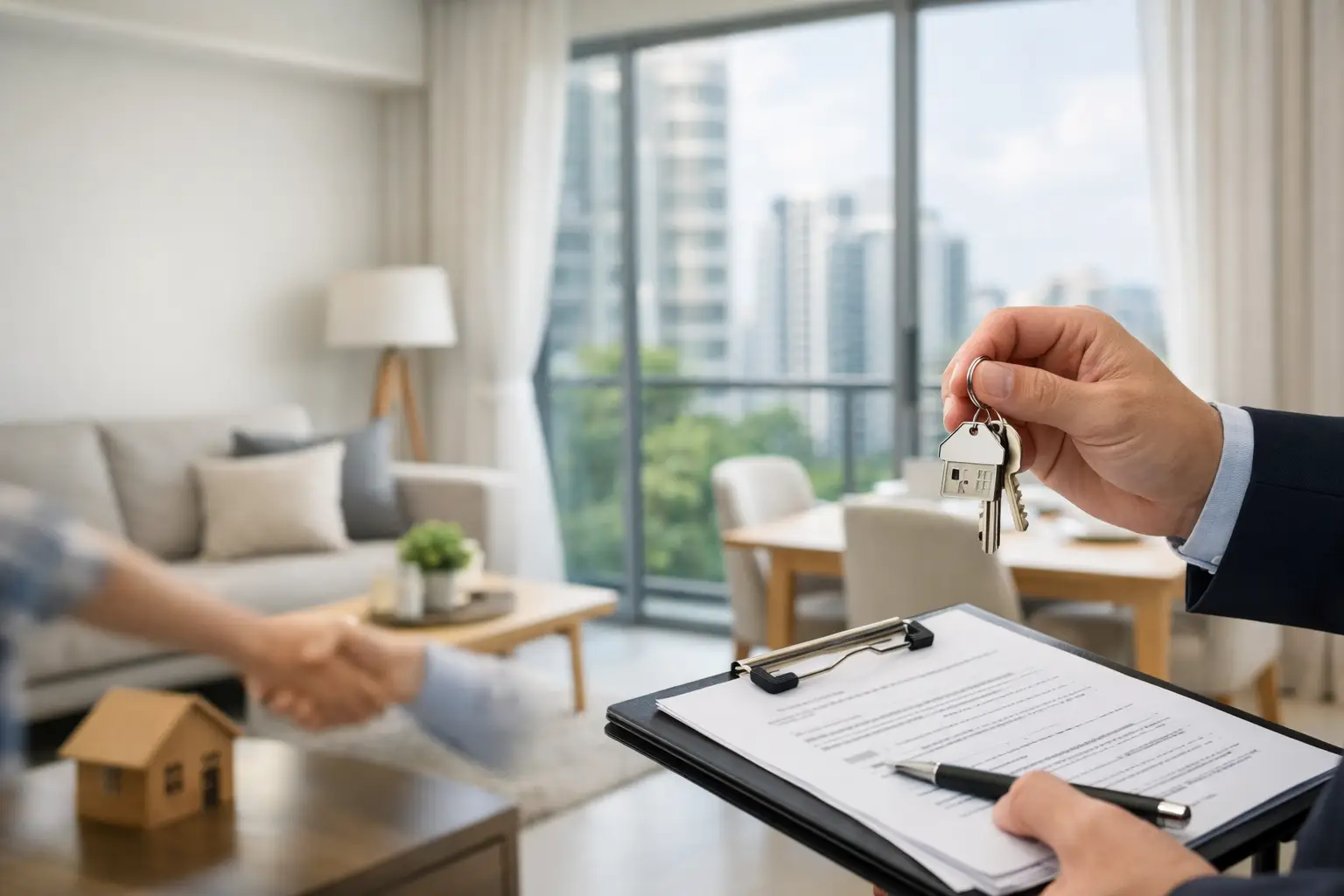
A vacant condominium living room can look larger in person than it does online, yet still leave buyers unsure where a sofa, dining table or work area would fit. That uncertainty matters. So, does home staging increase offers? Often, it can help create the conditions for stronger and more confident offers by making a property easier to understand, remember and compare. It is not a guarantee of a higher price, but it can influence how buyers feel about the home before negotiations even begin.
For property agents and sellers in Singapore, staging is less about making a home look extravagant and more about removing friction. Good staging gives each room a clear purpose, improves listing photographs and helps buyers picture daily life in the property. When several buyers can see that potential at once, the conversation may shift from whether the home works to what it is worth securing.
Does Home Staging Increase Offers or Just Improve Photos?
It does both, but the two effects are closely connected. Most buyers encounter a property first through listing images. Bright, tidy and well-proportioned photographs are more likely to earn a closer look than images of bare rooms, overcrowded furniture or mismatched belongings. More attention can lead to more enquiries and viewings, which gives an agent a better chance of reaching the right buyer.
At the viewing, staging carries the story forward. A well-sized sofa shows the scale of a living room. A properly dressed bed makes a bedroom feel usable rather than narrow. A compact dining setting can clarify how an open-plan layout works. Buyers do not need to mentally furnish every corner before they can decide whether the property suits them.
That clarity can be especially useful in vacant units, older homes and properties with unusual layouts. Without furniture, buyers may focus on what feels uncertain: an awkward corner, a long corridor or a room that appears smaller than it is. With considered placement and a restrained colour palette, the same areas can feel practical and inviting.
The increase in offers is therefore not simply about decorative cushions or a designer chair. It is about helping a wider group of buyers see value quickly. A home that photographs well, feels welcoming and has an easy-to-read layout is more likely to remain in a buyer’s mind after a full day of viewings.
Why Presentation Can Influence Buyer Behaviour
Buying a home is a financial decision, but it is rarely a purely clinical one. Buyers compare price, location, condition, outlook, facilities and layout. They also notice whether a space feels cared for, comfortable and ready for the next stage of life.
A staged home creates a more complete first impression. It can make a new private condominium feel warm rather than empty, or help a resale flat show its potential without requiring a full renovation. In landed homes, staging can bring structure to larger rooms that might otherwise feel sparse. For compact units, it can demonstrate that everyday furniture fits without making the space feel crowded.
This emotional confidence has a practical effect. A buyer who can picture living in the home may be less likely to dismiss it over a minor concern or assume that furnishing will be difficult and costly. They may also move faster when they know other buyers are interested. Where demand and pricing are aligned, stronger presentation can support more serious discussions and, in some cases, competing offers.
However, staging cannot correct a property that is priced well above comparable homes, poorly maintained or marketed with limited information. It also cannot change location, lease tenure, noise levels or a difficult floor plan. It should support a sound sales strategy, not replace one.
The Homes Most Likely to Benefit From Staging
Almost any property can benefit from being presented clearly, but staging tends to have the greatest impact when buyers would otherwise need to use a lot of imagination.
Vacant homes are an obvious example. Empty rooms may look clean, but they can feel cold in photographs and make it difficult to judge proportion. A carefully selected furniture package gives scale without filling every available space.
Owner-occupied homes can benefit too, particularly when personal items, heavy furniture or mixed styles distract from the property itself. Full staging is not always necessary. Editing belongings, improving lighting and styling key spaces may be enough to create a calmer viewing experience.
Older units and inherited properties often need help bridging the gap between their current appearance and their market potential. Rather than masking every imperfection, neutral, contemporary furniture can draw attention to the usable space, natural light and layout. This is often more cost-conscious than purchasing furnishings solely for a sale campaign.
Slow-moving listings are another practical case. If a property has received viewings but little follow-up, it may be worth reviewing the photos and in-person presentation. Staging will not suit every budget or solve every objection, but it can give the listing a fresh visual story and a clearer reason for buyers to revisit it.
What Effective Staging Looks Like
Effective staging is measured, not excessive. Buyers should notice the home first and the furniture second. The aim is to create a clean, liveable setting that feels relevant to the likely buyer, whether that is a young couple looking at a city-fringe condominium, a family considering a larger home or an investor assessing a rental-ready unit.
Living and dining areas usually deserve the greatest attention because they carry much of the viewing experience. The furniture should suit the room’s proportions, leave clear walking paths and define how the space can be used. A coffee table that is too large or a dining set with too many chairs can make a good room feel constrained.
Bedrooms should feel restful and functional. A bed, side tables and simple soft furnishings often do more than an over-styled room. In a smaller bedroom, selecting the right bed size is particularly important. It is better to show a realistic layout than to force oversized furniture into the space for visual impact.
Small details also shape perception. Clean curtains, warm lamps, fresh bedding, a few plants and uncluttered surfaces can make photographs feel more natural. Yet restraint matters. Strong personal themes, loud colours and excessive accessories can narrow the home’s appeal or distract buyers from its features.
Timing, Budget and the Rental Advantage
One concern sellers often raise is whether staging is worth the cost for a short marketing period. The answer depends on the property’s value, condition, target buyer, expected time on market and current level of interest. A premium vacant unit may justify a more complete setup, while a well-kept owner-occupied home may only need selective styling and practical preparation.
Furniture rental can make the decision more flexible. Instead of buying pieces that may be difficult to resell or store, sellers and agents can use furniture for the agreed staging period and arrange collection once the property is sold or the campaign ends. This is useful when timelines are tight and there is no need for permanent furnishings.
The operational side matters as much as the look. Coordinating furniture selection, delivery, installation and collection can take pressure off agents who are already managing photography, listings, viewings and buyer enquiries. A dependable staging partner can also help select pieces that work with the property’s layout rather than applying the same setup to every home.
At Expats Partner, this approach combines well-maintained pre-owned furniture with new pieces where needed, helping clients present a polished home without unnecessary purchasing. The focus is on practical, market-ready spaces and a setup process that fits the realities of a sales campaign.
How to Use Staging to Support Better Offers
Start with an honest assessment of what buyers see online and at the door. Are the listing photos bright and purposeful? Does every room have a clear use? Is there enough open space for buyers to move around comfortably? These simple questions often reveal whether the property needs full staging, partial styling or just a more disciplined edit.
It also helps to match the presentation to the expected buyer. A family-oriented home should demonstrate comfortable dining and bedroom arrangements. A compact unit near business districts may benefit from a sensible work-from-home corner. The goal is not to create a show home that feels out of reach. It is to make the property feel believable, useful and easy to choose.
Finally, keep the commercial fundamentals in place. Set a realistic asking price, deal with visible maintenance issues, prepare accurate property details and ensure viewings are well managed. Staging works best when it reinforces these basics. It can draw buyers in and help them feel more certain, but value still needs to stand up to comparison.
A buyer may not remember every cushion or lamp after a viewing. They are more likely to remember that the home felt bright, spacious and easy to imagine living in. That is the quiet advantage of thoughtful staging: it gives a good property the best chance to be seen clearly when interest matters most.