
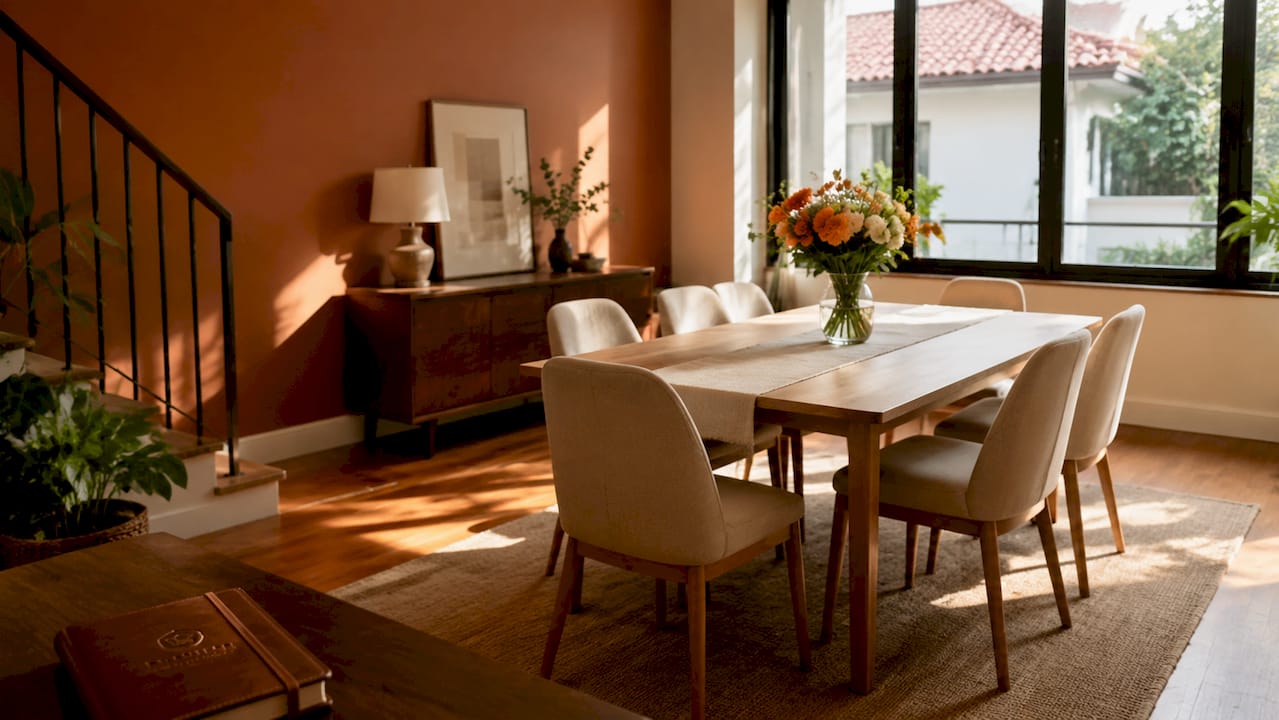
Home staging is the practice of preparing a property with neutral décor, strategic furniture placement, and exterior improvements to maximise market appeal and sale price. For semi detached houses in Singapore, this process is especially important. Professionally staged homes can achieve 5–15% higher final sale offers in Singapore’s competitive landed property market. Semi detached layouts present unique challenges, including asymmetrical floor plans, shared boundaries, and tropical humidity. The right staging approach addresses all of these directly, helping you attract serious buyers and achieve the best possible outcome.
1. Home staging ideas for semi detached houses in Singapore: start with decluttering
Decluttering is the single most impactful first step in any staging plan. It removes personal items and excess furniture, creating rooms that feel airy, spacious, and easy for buyers to imagine as their own.
For semi detached homes, which often accumulate furniture across multiple floors and rooms, decluttering requires a room-by-room approach:
- Remove family photographs, personal collections, and children’s artwork from all visible surfaces.
- Clear hallways and staircases completely. These are the first spaces buyers walk through.
- Store or remove bulky furniture that blocks natural light or makes rooms feel smaller.
- Empty built-in wardrobes to at least 50% capacity so buyers see storage potential, not clutter.
- Dispose of or store items in the garden, driveway, or utility areas that suggest neglect.
Neutral colours are equally important. Whites, warm beiges, and soft greys unify rooms and reflect light well. In Singapore’s humid climate, walls can develop yellowing or mildew staining over time. Repainting with a moisture-resistant, low-VOC white paint before listing is a low-cost improvement with a high visual return.
Flooring also matters. Timber floors common in older semi detached homes benefit from professional polishing. Tiles should be re-grouted where discoloured. Both improvements signal that the property has been well maintained.
Pro Tip: Odour neutralisation is often more important than any aesthetic upgrade in Singapore’s humid climate. Professional-grade odour control prior to viewings removes lingering cooking smells, pet odours, and damp, all of which deter buyers faster than dated furniture ever could.
2. Create functional zones with furniture and layout
Zoning is essential in semi detached homes because wider and asymmetrical layouts can feel disjointed without clear definition. Defining separate family, entertaining, and work areas improves flow and helps buyers understand how they would actually live in the space.
Here is a practical zoning approach for a typical semi detached layout:
- Living zone: Position a sofa and two armchairs to face a focal point, such as a feature wall or television unit. Keep the arrangement away from walls to create depth.
- Dining zone: Use a dining table sized proportionally to the room. A table that is too large dominates; one that is too small looks lost. A four to six seater works well for most semi detached dining rooms.
- Work or study zone: Dedicate a corner of a bedroom or landing to a compact desk and chair. This appeals strongly to buyers with families or those working from home.
- Outdoor or garden zone: Stage the garden or patio with simple outdoor furniture. Buyers in Singapore value usable outdoor space, and a well-presented garden extends the perceived living area.
Rental furniture is a practical solution for achieving a cohesive look without the cost of purchasing new pieces. Furniture rental for staging allows you to select pieces that match the property’s scale and style, then return them once the sale completes. This avoids the common mistake of using mismatched existing furniture that undermines the overall presentation.
Built-in storage and bespoke functional nooks convert dead spaces unique to semi detached homes into selling features. Under-stair storage, wall-mounted cabinets, and vertical shelving all maximise usable space without encroaching on floor area.
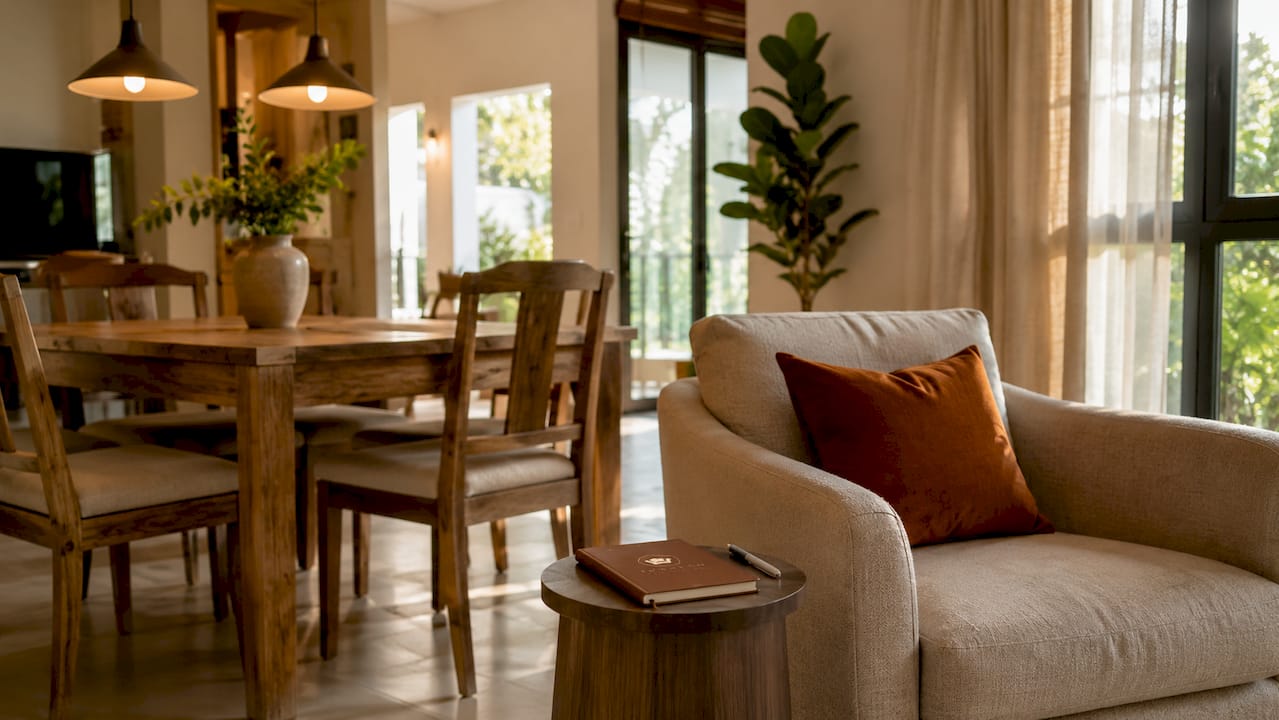
Pro Tip: Use minimalistic furniture with clean lines and light upholstery. Heavy, dark pieces absorb light and make rooms feel smaller. In Singapore’s bright natural light, lighter tones photograph better and create a more welcoming atmosphere during viewings.
3. Enhance curb appeal and exterior staging
The exterior of a semi detached house creates the first impression, and buyers form opinions before they step through the front door. Curb appeal through driveway pressure washing, garden landscaping, and well-maintained shared boundaries is critical for capturing buyer interest in Singapore’s landed property segment.
| Exterior task | Approximate cost (SGD) | Impact on buyer interest |
|---|---|---|
| Driveway pressure washing | $150–$300 | High: removes staining and signals upkeep |
| Garden landscaping and edging | $500–$1,200 | High: creates neat, welcoming arrival |
| Exterior repaint (doors, fences) | $800–$1,500 | High: freshens appearance significantly |
| Outdoor lighting installation | $300–$600 | Medium: improves evening viewings |
| Shared boundary tidying | $200–$400 | Medium: reduces buyer concern about disputes |
Total exterior staging costs for a semi detached home typically fall within SGD $2,500–$4,500. That investment directly supports a stronger first impression and reduces the psychological friction buyers feel about shared boundaries.
Fresh paint on the front door and gate makes a disproportionate difference relative to cost. Choose a colour that complements neighbouring properties rather than clashing with them. Exterior cohesion with neighbours reduces buyer concern about the shared boundary and enhances perceived property value.
Greenery also matters. Potted plants at the entrance, trimmed hedges along the boundary, and a clear, clean driveway signal that the property has been cared for. Avoid overgrown or dying plants, which suggest neglect.
Pro Tip: Schedule exterior staging at least two weeks before your first viewing. Freshly painted surfaces need time to cure fully in Singapore’s humidity, and newly planted greenery needs a few days to settle and look established.
4. Budget wisely and avoid common staging pitfalls
Staging a semi detached home does not require a full renovation. Staged properties receive 40% more enquiries and sell 15–20% faster in Singapore’s landed property segment. That result comes from focused, well-planned preparation, not expensive upgrades.
Typical staging costs for semi detached homes in Singapore break down as follows:
- Full-service staging with rental furniture (2–3 months): SGD $2,000–$5,000
- Light staging using existing furniture: SGD $800–$1,500
- Comprehensive staging and preparation (interior and exterior combined): SGD $10,000–$18,000
The most common budgeting mistake is over-improving with personalised renovations that buyers may not value. A bespoke kitchen renovation in a style that appeals to you may not appeal to the buyer pool. Neutralising interiors is more effective than decorative over-improvement. The goal is a blank, functional canvas that aids buyer imagination, not a showcase of personal taste.
Focus your budget on these high-impact, low-cost improvements:
- Deep cleaning throughout, including windows, grout, and ceiling fans.
- Repainting walls in neutral tones.
- Replacing dated light fittings with simple, modern alternatives.
- Hiring rental furniture for key rooms if existing pieces are worn or mismatched.
- Professional odour treatment before the first viewing.
Avoid spending on structural changes, custom built-ins, or luxury finishes unless the property is positioned at the top of the market and the budget clearly supports it.
Key takeaways
Effective staging for semi detached houses in Singapore combines neutral interiors, functional zoning, exterior upkeep, and a disciplined budget to attract more buyers and achieve stronger sale prices.
| Point | Details |
|---|---|
| Declutter before anything else | Remove personal items and excess furniture to create spacious, buyer-ready rooms. |
| Neutralise colours and treat odours | Repaint in whites or beiges and use professional odour control before viewings. |
| Zone the layout clearly | Define living, dining, work, and outdoor areas to help buyers understand the space. |
| Stage the exterior first | Pressure wash, repaint, and landscape before the first viewing to create a strong arrival impression. |
| Budget for impact, not renovation | Full-service staging costs SGD $2,000–$5,000; focus spend on high-return, low-cost improvements. |
What staging semi detached homes in Singapore has taught us
Sellers consistently mistake staging for decorating. The two goals are opposite. Decorating expresses personal taste. Staging removes it. The most effective staged homes we have seen in Singapore’s landed property market are the ones that feel calm, clean, and easy to imagine living in, not the ones with the most impressive furniture.
Tropical humidity is the factor most sellers underestimate. Odour builds up in semi detached homes over years of occupation, particularly in kitchens, bathrooms, and utility areas. No amount of fresh paint or new furniture compensates for a smell that greets buyers at the door. Professional odour neutralisation is not optional in Singapore. It is the foundation that everything else sits on.
Shared boundaries deserve more attention than most sellers give them. Buyers of semi detached homes are acutely aware that they share a wall and often a driveway boundary with a neighbour. A tidy, well-maintained shared edge reduces that anxiety before it becomes a negotiating point. It costs very little to address and pays back in buyer confidence.
The properties that sell fastest are not the most expensively staged. They are the most clearly presented. Neutral palette, good light, clean exterior, and furniture that fits the space. That combination, executed consistently across every room, is what converts viewings into offers.
— Expats Partner
Staging your semi detached home with Expats Partner
Expats Partner provides home staging and furniture rental services tailored for Singapore’s landed property market, including semi detached houses. Whether you need a full staging package or rental furniture for two to three months while your property is listed, Expats Partner offers transparent pricing, real inventory, and reliable delivery and setup.
Landlords and homeowners preparing semi detached properties for sale or rental can choose from flexible furniture rental packages sized for individual rooms or full homes. Expats Partner handles delivery, arrangement, and collection, so you can focus on the sale. Contact Expats Partner to discuss your staging needs and get a clear quote for your property.
FAQ
What does home staging mean for a semi detached house?
Home staging is the process of preparing a property with neutral décor, clean interiors, and well-presented exteriors to appeal to the widest pool of buyers. For semi detached houses, it includes decluttering, furniture arrangement, zoning, and exterior upkeep.
How much does staging a semi detached home in Singapore cost?
Light staging using existing furniture costs SGD $800–$1,500. Full-service staging with rental furniture for two to three months costs SGD $2,000–$5,000. Comprehensive interior and exterior preparation can reach SGD $10,000–$18,000.
Does staging actually increase the sale price?
Professionally staged homes in Singapore’s landed property market can achieve 5–15% higher final sale offers. Staged properties also receive significantly more enquiries and sell faster than unstaged equivalents.
Should I buy or rent furniture for staging?
Renting is the practical choice for staging. Rental furniture is returned once the sale completes, avoiding the cost of purchasing, storing, or reselling pieces you no longer need. Expats Partner offers rental furniture for staging with flexible terms suited to property sale timelines.
What is the most overlooked staging step in Singapore?
Professional odour neutralisation is the most commonly skipped step. In Singapore’s humid climate, lingering smells from cooking, pets, or damp deter buyers more effectively than any visual shortcoming. Treat odours before the first viewing, not after.